
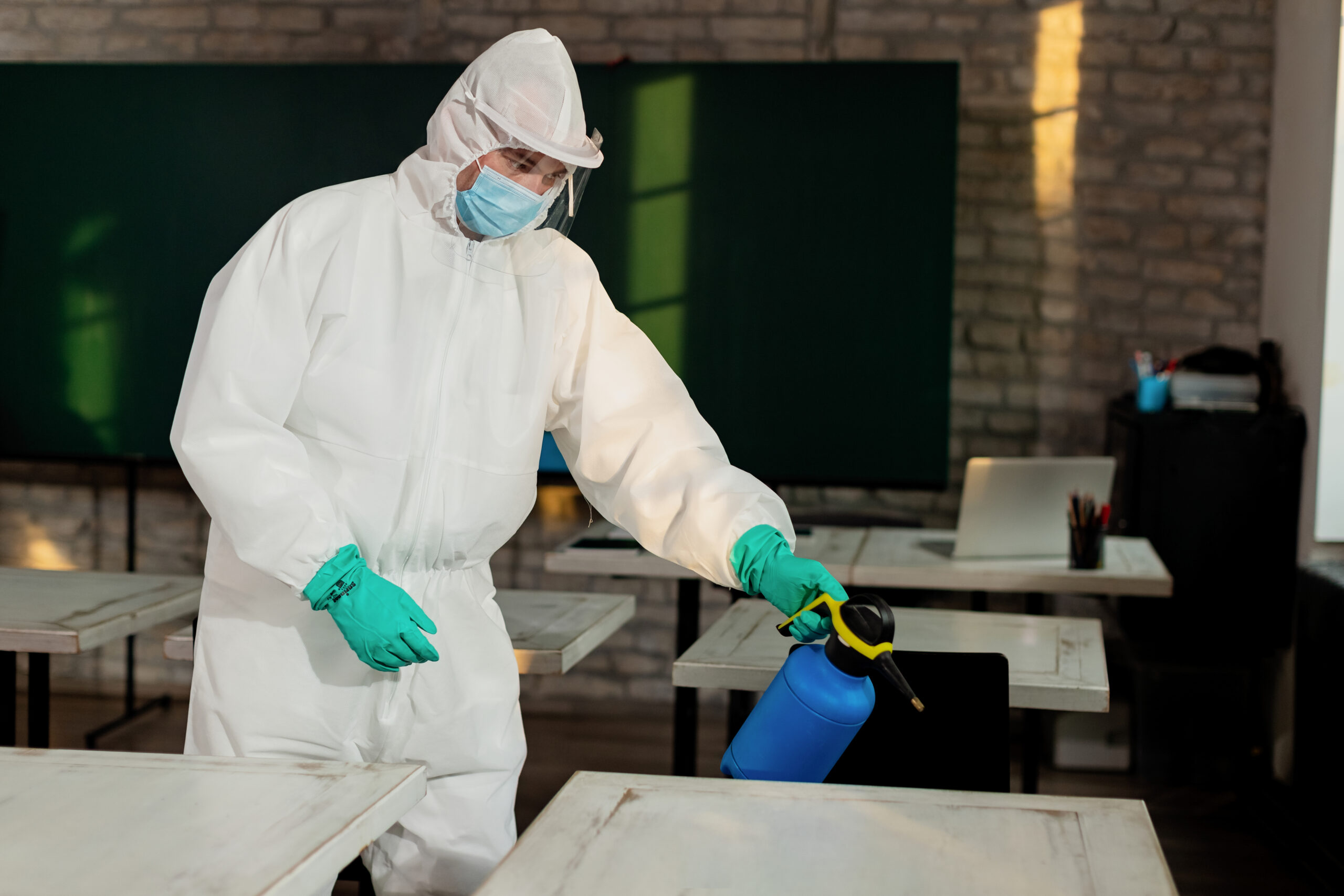
How proactive pest management supports healthier living environments
A healthy living environment depends on factors that often go unnoticed until something goes wrong. Clean air, safe surfaces, and protected structures all contribute to daily comfort and long-term well-being. When unwanted pests enter a home, they quietly disrupt these conditions, creating risks that extend beyond inconvenience. Their presence affects sanitation, indoor quality, and the sense of security people expect from their living spaces.
Many homeowners begin addressing these concerns by learning about CURA Termite & Pest Control as part of a broader home care strategy. Effective Pest Control is not a reactive task reserved for visible infestations. Instead, it is a proactive approach that supports healthier living by preventing problems before they affect comfort or safety. When prevention is prioritized, the home remains more stable and enjoyable year-round.
Understanding how pest management contributes to healthier living environments helps homeowners make informed decisions. By addressing risks early and consistently, families can protect both their homes and their daily quality of life.
Reducing exposure to harmful contaminants
Pests introduce contaminants into living spaces through droppings, shed skin, saliva, and nesting debris. These materials settle on surfaces, circulate through air systems, and create unhygienic conditions that affect indoor health. Even when pests are not immediately visible, their byproducts often remain.
Proactive management limits this exposure by stopping pests before they establish themselves indoors. By maintaining clean entry points and monitoring activity, homeowners reduce the spread of contaminants throughout the home. Cleaner indoor conditions support healthier routines for everyone inside.
Lower contamination levels contribute to a more sanitary environment.
Supporting better indoor air quality
Indoor air quality plays a significant role in daily comfort and respiratory health. When pests inhabit walls, attics, or ventilation areas, they introduce debris that moves through the air. Dust mixed with pest byproducts can aggravate allergies and reduce overall air freshness.
Preventive Pest Control helps maintain cleaner air by keeping pests out of ventilation pathways and enclosed spaces. When these systems remain unobstructed and uncontaminated, airflow improves and indoor environments feel fresher. Better air quality supports easier breathing and overall comfort.
Cleaner air enhances daily living conditions.
Preventing damage that affects comfort
Structural damage caused by pests often leads to secondary issues that affect comfort. Chewed insulation, damaged walls, or compromised flooring can result in drafts, uneven temperatures, and increased noise transfer between rooms.
Addressing pest risks early prevents this type of deterioration. By protecting materials that regulate temperature and sound, the home maintains consistent comfort levels. This proactive care helps preserve the physical environment that supports daily routines.
Comfort depends on protecting underlying materials.
Protecting food storage and preparation areas
Kitchens and pantries are especially vulnerable to pest activity because they offer easy access to food and water. When pests enter these spaces, they contaminate surfaces and stored items, creating health concerns and unnecessary waste.
Proactive management keeps these areas secure by reducing attractants and blocking access points. Clean, protected food spaces support safer meal preparation and reduce the risk of contamination. Maintaining hygienic kitchens contributes directly to household well-being.
Food safety is essential to a healthy home.
Supporting restful sleep and peace of mind
The presence of pests often disrupts sleep through noise, movement, or anxiety. Scratching sounds, sightings, or concerns about contamination make it difficult for occupants to fully relax.
A proactive approach helps restore peace of mind by ensuring pests are addressed before they become noticeable. When homeowners feel confident that their environment is protected, they experience fewer disruptions and improved rest. A calm home environment supports better mental and physical health.
Peace of mind strengthens overall wellness.
Reducing the spread of allergens
Many pests contribute to indoor allergens that trigger reactions in sensitive individuals. Droppings, body fragments, and nesting materials can worsen symptoms such as sneezing, congestion, or skin irritation.
Preventive Pest Control reduces these allergens by limiting pest presence altogether. By keeping living spaces free from these triggers, households experience fewer reactions and improved comfort. This is especially important for children, seniors, and individuals with sensitivities.
Allergen reduction supports healthier daily living.
Maintaining cleanliness in hidden areas
Pests often inhabit spaces that are rarely accessed, such as wall cavities, attics, and crawl spaces. These hidden areas can harbor significant contamination that eventually affects visible parts of the home.
Proactive management includes monitoring and treating these overlooked zones. By addressing issues in hidden areas, homeowners prevent contamination from spreading into living spaces. Cleaner hidden environments contribute to better overall home hygiene.
Hidden care supports visible cleanliness.
Encouraging consistent home maintenance habits
When pest management is proactive, it becomes part of a larger routine of home care. This encourages homeowners to remain attentive to structural gaps, moisture issues, and cleanliness practices that benefit the entire property.
CURA Termite & Pest Control supports this approach by helping homeowners recognize early warning signs and maintain protective measures. This consistency strengthens the home’s overall condition and reduces the likelihood of larger problems developing over time.
Consistency improves long-term home health.
Supporting family health over time
Healthy living environments are built through prevention rather than reaction. Addressing risks before they escalate protects families from unnecessary exposure and stress.
Proactive Pest Control contributes to this protection by maintaining stable conditions that support daily comfort and safety. Over time, these efforts reduce health risks and create a more reliable living space for everyone in the household.
Long-term prevention supports lasting well-being.
Preserving a comfortable daily routine
Disruptions caused by pest issues often require sudden cleaning, repairs, or temporary changes to daily routines. These interruptions add stress and reduce enjoyment of the home.
Preventive care minimizes these disruptions by addressing potential problems early. When the home remains stable, daily routines continue without interruption. This reliability supports a smoother and more comfortable lifestyle.
Stability enhances everyday comfort.
Conclusion
Healthier living environments are the result of thoughtful, proactive care that addresses risks before they become problems. Pest Control supports this goal by reducing contaminants, improving air quality, protecting food areas, and preserving comfort throughout the home. With guidance from CURA Termite & Pest Control, homeowners gain a reliable approach to maintaining cleaner, safer living spaces. When pest management becomes a preventive habit, families benefit from improved comfort, peace of mind, and long-term wellness.


Leave a Reply