

How to Build a Secure Online Platform for Attorneys with VPS Hosting
As more industries move online, security has become especially important in the legal world. The internet and online platforms streamline many processes. From communication to contract signing and legal document filing, digital platforms serve a valuable purpose.
However, this ease of use comes at the cost of privacy. Many protocols and services ensure that online platforms are secure, yet this often isn’t enough. To minimize this, developers leverage all the tools they can get.
Virtual private server hosting is one of the many helpful tools for the security of attorney platforms. They provide several benefits, and we’ll explain what they offer practicing lawyers.
Why security is crucial for attorney platforms
The legal profession has always been sensitive to its clients’ data, prioritizing confidentiality and security. Organizations offer essential guidelines, such as the American Bar Association’s guidelines in the U.S.
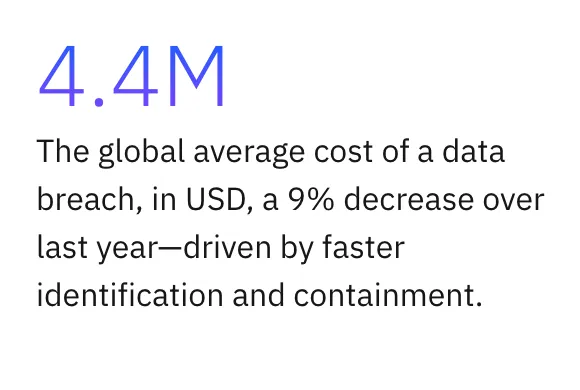
According to IBM’s 2025 Cost of a Data Breach Report, the global average cost of a data breach is USD 4.4 million. For attorney platforms, the risk goes beyond the direct cost. A breach can expose client intake forms, case documents, payment details, and privileged communication, which can damage trust even after the technical issue is resolved.
However, the rise of data regulations, such as GDPR in Europe and CCPA in California, has introduced another layer of caution. These regulations define different types of data, and attorneys usually work with personally identifiable information.
Hackers can exploit the data handled by online platforms specialized in law and finance. Failing to protect this data can lead to significant fines, so pay extra attention when developing attorney platforms.
One way to achieve security is by applying security posture management (ASPM) services, but there are other essential methods for online safety and security. Clients, especially those with high net worth, will avoid platforms with a history of leaks.
If your platform suffers a data breach, you’ll lose potential clients and even experience fines imposed by the government or regulatory bodies that handle legal aspects of data regulations.
Of course, legal tech firms should also offer functionalities, but having no history of security incidents can give you a competitive edge.
Benefits of VPS hosting for secure platforms
VPS hosting offers advantages if you’re looking for options that ensure confidentiality and data integrity.
VPS is beneficial for websites or applications that need more power and customization than shared hosting but don’t require the total resources of a dedicated server.
The customization features allow you to develop security measures that ensure the robust security a platform needs for attorneys.
Isolated environment
While a dedicated server offers full services and resources to a single client, a VPS provides a virtualized server environment to users. It divides a physical server into multiple isolated virtual servers, each with its own dedicated resources (such as CPU, RAM, and storage) and operating system.

You may think this is insecure since you’re sharing resources with other clients, but the risk of a VPS being compromised is minimal.
Using IP proxies can further enhance the benefits of having an isolated environment. They allow users to access legal data from various jurisdictions while ensuring compliance with local laws.
These proxies provide a secure and reliable way to collect data across regions, making them a valuable tool for law firms handling cross-border legal work. Proxies are also essential for businesses with international clients.
Customization
A VPS hosting plan offers many customization options without the cost of dedicated hosting. Your web hosting provider will allow you to install a custom security application, configure firewalls, and use tailored encryption protocols.
Customization is essential if you’re developing software in the legal industry, where the security solutions you get by default aren’t good enough. Furthermore, different attorney platforms will demand different levels of security.
Customization also matters when the platform connects to back-office workflows. For firms managing billing, financial reporting, document-related tasks, or resource planning, a dynamic business central setup can help centralize operations while keeping access controls and data visibility easier to manage.
Once those tools are connected, the hosting environment must also scale without creating performance or security gaps.
Scalability
One of the most critical aspects of modern business infrastructure is scalability. If you’re developing software on your own servers, chances are that your clients can outgrow them. This means they’ll see an uptick in traffic and requests that your servers can’t handle.
To mitigate this, you should invest in hosting services that you can easily scale up or down. This way, your clients won’t experience availability issues during periods of high traffic. Furthermore, overloaded servers can be a security risk.
By leveraging VPS hosting packages, you’re getting enhanced security and better scalability for your clients.
Cost-Effectiveness
Although VPS hosting might sound like an advanced hosting package, it’s still affordable and cost-effective. Products hosted on VPS hosting can satisfy enterprise-level clients, yet the hosting can be easily scaled up or down depending on individual requirements.
The balance between affordability and security makes VPS hosting services an attractive solution for developing robust legal platforms.
Cost-effectiveness strategies are important for law firms and tech startups that create services and platforms for lawyers and attorneys. Building secure legal software can also become a profitable B2B business when combined with scalable infrastructure and long-term client value.
Key security features to implement on a VPS for encrypting your data on attorney platforms
While a VPS provides your business with an isolated environment that directly impacts security, there are several other features you should take advantage of.
Without securing the code, communication, authentication, and backup processes, you’re still at risk from hackers exploiting vulnerabilities.
Security should also start before the platform goes live. During development, SAST helps identify vulnerabilities in the code early, so teams can fix issues before they become production risks. This adds another layer to VPS security, alongside firewalls, encryption, access controls, and monitoring.
Data encryption at rest and in transit
One of the most important security measures for any online business is data encryption. This concept ensures that no hackers can steal sensitive information during transfer.
Furthermore, data at rest should be encrypted as well, in case someone targets the hosting.
To encrypt your data, you should implement secure encryption protocols, such as AES. Furthermore, the platform’s website should have SSL/TLS certificates and enable end-to-end encryption to secure the data.
Firewalls and intrusion detection systems
Firewalls and IDS are advanced security solutions that defend your platform against current and future cyber threats.
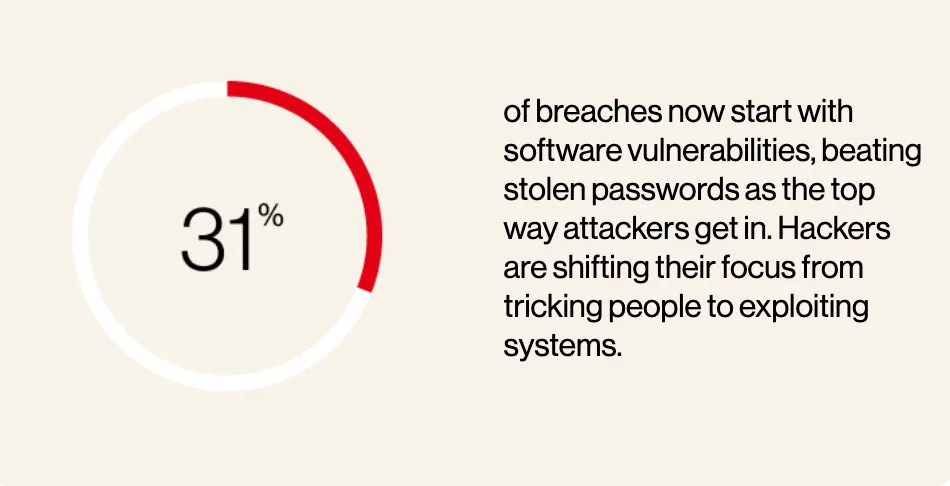
Verizon’s 2026 Data Breach Investigations Report says 31% of breaches now start with software vulnerabilities, which makes server hardening, patching, and traffic monitoring especially important for platforms that store sensitive legal data.
They can prevent attacks before they cause damage.
There are two types of VPS hosting in this context:
- Managed: Often includes firewalls and sometimes even IDS/IPS monitoring, with the provider handling these security configurations.
- Unmanaged: You are responsible for setting up your security tools, including firewalls and IDS. You have more control but also more responsibility for securing your server.
If you’re interested in creating customized solutions for your potential clients, unmanaged hosting is a better option. It also allows you to implement firewalls and IDS options of your choice.
Firewalls protect against unauthorized access by filtering out harmful traffic before it reaches your server. You can set specific rules for inbound traffic, allowing regular traffic and preventing harmful traffic.
IDS monitors network traffic for suspicious activities and notifies the IT or cybersecurity personnel when an attack or breach is detected.
While these two passive cybersecurity methods are great, you should also implement continuous security validation. It identifies and addresses potential security weaknesses before attackers can exploit them.
This proactive approach, combined with proper access controls and regular data backups, helps ensure that sensitive client information remains protected while maintaining compliance with legal industry regulations and data protection standards.
Multi-Factor Authentication (MFA)

Hackers can do significant harm by attacking your platform via viruses. However, there are other types of attacks and scenarios that VPS, firewalls, and IDS can’t handle. For example, brute-force attacks aim to crack an employee’s or customer’s password.
If this happens, the hacker can misuse the individual’s account to get sensitive or confidential data. To protect your employees and customers from having their accounts stolen, you should implement mandatory multi-factor authentication.
MFA means that when an individual tries to log in, they’ll also have to verify their identity with an additional authentication method. If a password gets stolen or leaked, it’s easy to access someone’s account.
MFA protects the individual against this by requiring them to verify their identity using an SMS or email code, biometrics, or location data.
Regular backups
In the worst-case scenario, an attack can make platform data inaccessible, corrupted, or deleted. For attorney platforms, this can affect client files, intake records, signed documents, and communication history.
Daily backups reduce that risk by giving developers a clean recovery point. They also help restore the platform after accidental deletions, failed updates, corrupted files, or configuration mistakes.
VPS can significantly boost the security of your platform for attorneys
A secure attorney platform does not depend on one control. It depends on several layers working together, from isolated hosting and encryption to firewalls, authentication, code testing, and backups.
Laws and regulations provide useful guidelines for developing secure software. But compliance alone does not always address the operational risks associated with client portals, document workflows, billing systems, and private communication.
VPS creates an isolated environment that protects the parties involved. Investing in a VPS infrastructure helps safeguard attorney-client confidentiality and ensures your platform operates smoothly despite growing cybersecurity threats.
To further improve the security of a VPS, additional security features such as backups, firewalls, and access controls should be implemented to minimize risks.
If your attorney platform runs on WordPress, pair VPS security with a front-end foundation built for performance and flexibility. Contact PortoThemes to see how Porto WordPress can support the public-facing side of your legal platform.
About the author: Veljko Petrović

Veljko is an IT student who has successfully combined his passion for technology with his exceptional writing skills. As an emerging specialist in cybersecurity, he has completed several courses and has been published in notable blogs in the industry. In his free time, Veljko enjoys weightlifting, reading, and programming.


Leave a Reply