
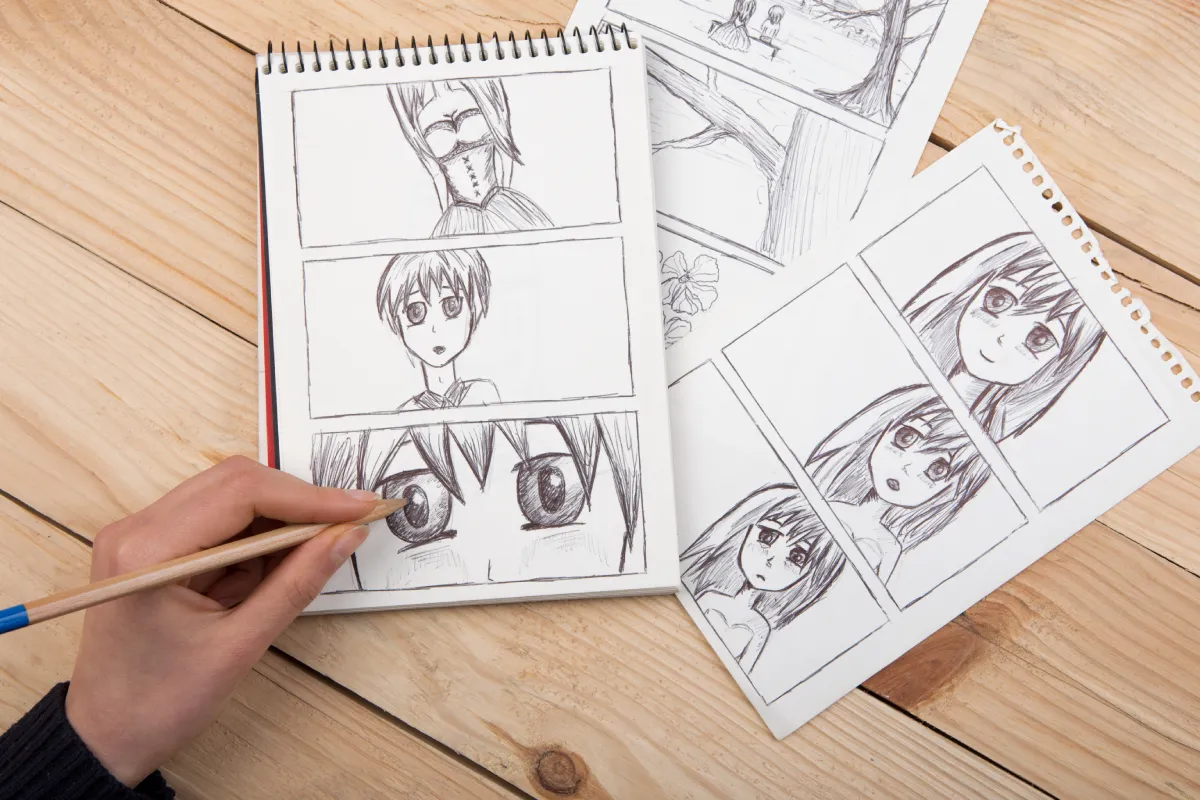
How to Create Anime Characters Using an AI Art Generator
Anime has become one of the most popular visual art styles in the world, inspiring millions of fans and creators. With the rise of AI art generators, designing unique anime characters has never been easier. Whether you’re a hobbyist, content creator, or aspiring game designer, AI tools can help you bring your anime visions to life quickly and professionally.
In this guide, we’ll show you how to create anime characters using an AI art generator, step by step, and provide tips for achieving stunning results.
What Is an AI Art Generator?
An AI art generator is a digital tool that uses machine learning algorithms to create images based on text prompts, reference images, or pre-defined styles. For anime creation, AI can generate:
- Character portraits
- Full-body illustrations
- Chibi or stylized versions
- Backgrounds and scenes
Popular AI art generator for anime include:
- Midjourney – Known for stylized and artistic anime visuals
- Stable Diffusion – Highly customizable and open-source
- DALL·E 3 – Produces high-quality, detailed characters
- WAN AI – Can create both still anime images and short animated clips
Step-by-Step Guide to Creating Anime Characters
Step 1: Choose the Right AI Tool
Select an AI platform that supports anime styles. Midjourney and Stable Diffusion are particularly strong for anime, while WAN AI Video Generator can add animation if you want your character to move or interact in a scene.
Step 2: Write a Detailed Prompt
The key to generating unique anime characters is prompt specificity. Include:
- Character traits (e.g., hair color, eye color, outfit)
- Personality or expression (e.g., cheerful, mysterious)
- Style (e.g., shonen, shojo, chibi, realistic anime)
- Background (optional, e.g., fantasy city, forest, classroom)
Example prompt:
“A teenage anime girl with long silver hair, blue eyes, wearing a school uniform, cheerful expression, in a vibrant Japanese school background, anime style, full-body illustration, highly detailed.”
Step 3: Configure Settings
Many AI platforms allow you to customize:
- Resolution – Higher resolution produces more detailed characters
- Aspect Ratio – Portrait for character focus, landscape for full scene
- Style Filters – Adjust anime style, lighting, or color palette
Step 4: Generate and Review
Click “Generate” and review the outputs. Most AI generators produce multiple variations, allowing you to choose the one that best matches your vision.
Step 5: Refine Your Character
- Adjust your prompt for more accurate results
- Use AI image editors to tweak colors, proportions, or details
- Combine multiple images to create your final character design
Tips for Creating Stunning Anime Characters
- Be Descriptive – Include hair, eyes, outfit, accessories, and personality.
- Experiment with Styles – Try different anime aesthetics like shonen, shojo, or fantasy.
- Use Reference Images – Upload images for the AI to mimic a particular style or pose.
- Focus on Expressions – Anime characters are expressive; specify emotions for more lively results.
- Iterate Multiple Times – Slight changes in wording can significantly improve results.
Applications for AI-Generated Anime Characters
- Comics and Manga – Create characters for your stories
- Anime Videos – Use AI animation tools like WAN AI for short clips
- Games – Design NPCs, avatars, or playable characters
- Social Media Content – Produce unique visuals for Instagram, TikTok, or YouTube
- Merchandise – Print AI-generated characters on posters, T-shirts, or stickers
Why AI Art Generators Are Game-Changers for Anime Creation
Traditionally, creating anime characters required advanced illustration skills and time. With AI art generators, anyone can:
- Generate high-quality anime characters in minutes
- Explore creative variations and ideas quickly
- Combine art styles or experiment with new designs without limits
- Save time and resources compared to manual drawing
Final Thoughts
Creating anime characters with AI art generators is both fun and empowering. By choosing the right platform, crafting detailed prompts, and refining outputs, you can produce unique, high-quality characters ready for stories, games, or social media.


Leave a Reply