
How to Find Your Dressing Style: A Complete Guide
Finding your personal style means that you get beyond the mere pursuit of trends. It means finding what will really work for you, which will give you more confidence, and which will simplify the process of choosing what to wear every day. This guide will take you through the process of finding your personal style, discovering how your body type will work for you, and putting it all together to create the wardrobe of your dreams.

Why Personal Style Matters More Than Blind Fashion
In today’s trend-driven world, many people feel pressured and constantly strive to follow the latest fashions. However, blindly following trends without understanding your own preferences only leads to frustration and wasted money, ultimately filling your wardrobe with clothes you’ve never truly worn.
Finding your own personal style can boost confidence, save time and energy, and enhance your personal image—a well-coordinated wardrobe showcases maturity, professionalism, and taste. When you find clothes that are both comfortable and stylish, your wardrobe naturally becomes an extension of your personality.
Part 1: Understand Your Existing Style
Audit Your Wardrobe
Begin by taking a close look at your current clothes. Pull everything out and categorize them by type, color, and frequency of use. Identify which pieces you reach for most often. Ask yourself: Why do I love these items? Is it comfort, color, fit, or cut? Which items make me feel most confident or happiest?
Analyze Your Habits
Document your dressing patterns over a week or month. Take note of:
- Favorite styles (e.g., casual, bohemian, chic, sporty)
- Common colors and prints
- Preferred cuts and silhouettes
This will help you pinpoint your style preferences and recognize items that don’t align with your aesthetic.
Observe Everyday Inspirations
Fashion isn’t limited to clothing stores. Inspiration can come from:
- Movies & TV – Observe how characters’ wardrobes reflect their personalities.
- Street Style & Social Media – Platforms like Instagram, Pinterest, and TikTok showcase real-life styling ideas.
- Art & Nature – Colors, patterns, and textures outside of fashion can inspire unique combinations.
Pay attention to recurring themes—colors, textures, or silhouettes you’re naturally drawn to. These observations help refine your style direction.

Part 2: Know Your Body Shape
Not every style suits every body type, and understanding your shape ensures your wardrobe is flattering and comfortable.
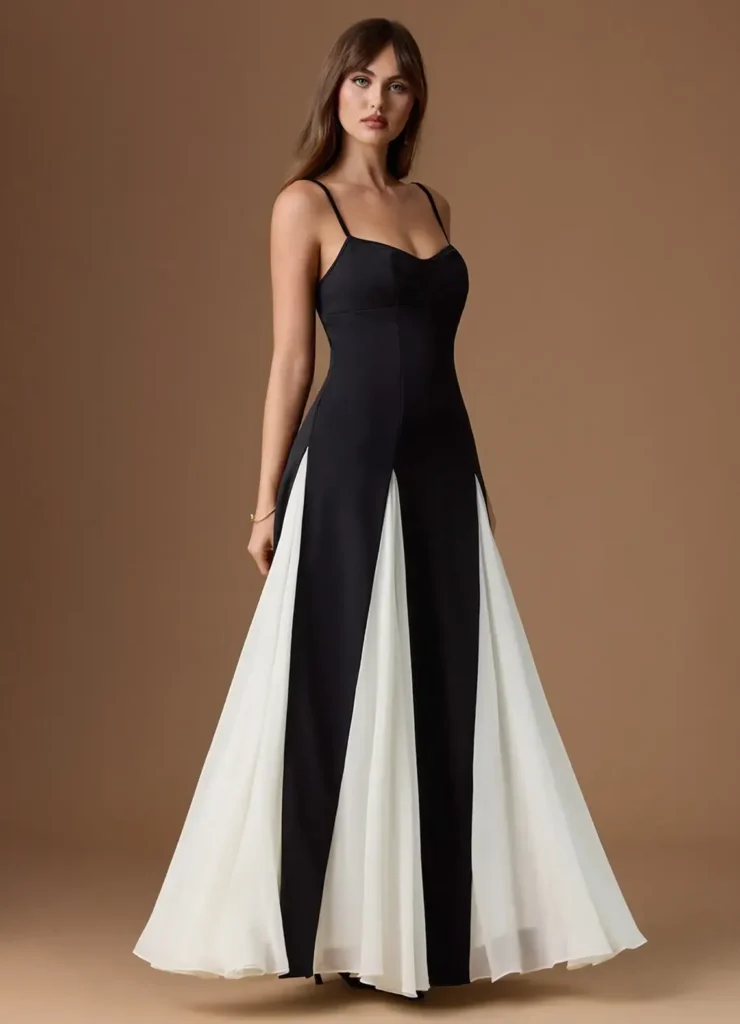
- Tall – You can experiment with long layers, maxi dresses, and wide-leg pants.
- Petite – High-waisted pieces, vertical stripes, and cropped jackets can enhance proportions.
- Curvy – Structured garments, wrap dresses, and fitted tops can accentuate natural curves.
- Slim – Try using layers, textures, and bold prints to add dimension. Opt for designer midi dress or A-line skirt and pair them with lightweight knitwear or short jacket to create a cohesive, layered look.
- Apple Shape – Focus on V-necklines, A-line dresses, and tops that draw attention to the shoulders or neckline. Avoid tight waistbands and emphasize vertical lines to elongate the torso.
- Pear Shape – Balance proportions with structured jackets, off-shoulder tops, and A-line skirts. Darker bottoms and lighter or patterned tops shift attention upward.
- Hourglass Shape – Embrace fitted styles, wrap dresses, and belts to highlight natural curves. Tailored pieces maintain balance between top and bottom.
- Rectangle Shape – Add curves and dimension with belted dresses, peplum tops, layered outfits, or flared skirts. Patterns and textures create the illusion of a defined waist.
Understanding your body shape doesn’t limit your fashion choices—it empowers you to make smart decisions and avoid styles that may not be the most flattering.
Part 3: Define Your Ideal Style
Once you understand your preferences and body, explore the style elements that resonate with you.
Key Style Dimensions
- Color Palette – Vibrant vs. neutral tones. Choose colors that complement your skin tone and mood.
- Fit & Silhouette – Slim-fit vs. oversized. Consider comfort, occasion, and your body shape.
- Mood & Occasion – Casual, professional, evening, or eclectic. Determine which vibe you want to convey daily.
- Design & Detailing – Classic vs. avant-garde. Decide if you prefer timeless pieces or statement-making designs.
- Lifestyle Alignment – Urban chic, countryside casual, or travel-friendly. Your style should align with how you live.
By defining these elements, you’ll have a clear blueprint for your wardrobe, making shopping and outfit planning more intentional.
Part 4: Build Your Core Wardrobe
A strong foundation allows flexibility and creativity. Start with essentials and layer in personal touches.
Invest in Quality Basics
Timeless staples form the backbone of any wardrobe:
- T-shirts, button-down shirts, and blouses
- Jeans, tailored trousers, and classic skirts
- Outerwear: trench coats, denim jackets, leather jackets
These pieces are versatile and never go out of style, making them worthwhile investments.
Curate a Personalized Color Scheme
Select a primary color, secondary colors, and accent tones that harmonize with your complexion and hair color. This approach ensures your outfits always coordinate effortlessly.
Master Layering & Accessories
- Combine basics with statement pieces to create depth and interest.
- Accessories like scarves, belts, jewelry, and hats allow you to showcase personality without overhauling your wardrobe.
This strategy ensures every outfit feels intentional, stylish, and uniquely yours.
Part 5: Experiment and Refine
Style is an evolving process, and experimentation is essential.
Draw Inspiration and Adapt
Follow fashion influencers, celebrities, or street style icons. Observe how they mix textures, patterns, and colors, then adapt ideas to suit your wardrobe.
Step Out of Your Comfort Zone
Experiment with entirely new silhouettes, bold color combinations, and unexpected layering. Record which combinations work and which don’t. Over time, this experimentation will enhance your fashion intuition.
Shop Mindfully
Avoid impulsive buying. Instead, try on inspiration pieces, evaluate their fit and feel, then decide whether to incorporate them permanently.
Part 6: Continuously Optimize Your Style
Personal style is something that is consistently evolving—it grows with who you are and through various moments of your life. Create a habit of cleaning out your closet and removing something that does not suit your current look or vibe. Add current trends to your look in moderation. Trends come and go; however, your confidence is something that can last through them all. Wear what makes you comfortable, but remember that fashion is meant to complement your personality.
If you tackle it with nuance and truth, every ensemble can reflect your confidence and your uniquely individual style.
Conclusion
The process of discovering your individual dressing style is a continuous process rather than a point of accomplishment. It involves introspection, experimentation, and decision-making. Your style will change with time, just like you are changing. Your style should make you feel confident, relaxed, and like yourself.


Leave a Reply