
How to Tell Real Quality Streetwear From the Fakes
Why Spotting Quality Is Worth Learning
Two pieces can look identical in a photo, yet feel worlds apart in your hands. One’s built to last, the other falls apart in weeks. So learning to tell them apart saves you real money and frustration. I’ve been fooled before, ordering something that looked premium online and feeling let down the moment it arrived. The screen hides the details that matter, which is exactly why fakes and low-quality copies thrive there. The good news is that quality always leaves clues. Fabric, stitching, prints, and finishing all give away whether a piece is well-made or rushed. So once you know what to look for, you stop guessing and start reading the signs. It’s a bit like spotting fresh fruit. A trained eye catches the good ones fast, while everyone else grabs at random. Streetwear works the same way. The tells are consistent across brands, so learning them once pays off forever. So before you spend, slow down and look closer. Check the weight, study the seams, inspect the print. These small checks separate the pieces worth your money from the ones that’ll disappoint. Quality isn’t luck, and it isn’t always about price either. It’s something you can learn to see, and this guide shows you exactly how. Get good at spotting it, and you’ll rarely waste money on a bad buy again.
Fabric Is the First Tell
The fastest way to judge quality is the fabric, so start there. Weight is the biggest clue. Good pieces use dense, substantial fabric that holds its shape, while cheap copies feel thin and papery from day one. So check the fabric weight, often listed as GSM, which means grams per square metre. Higher GSM means a denser, more durable piece. A quality hoodie often sits around 400 GSM or more, while flimsy ones drop well below. A genuine trapstar or hoodie usually states its fabric details clearly, because brands proud of their material tend to mention it. So treat a missing weight figure as a small warning sign. Here’s a hands-on detail worth knowing: a quality heavyweight piece feels slightly dense or waxy before its first wash, then softens into a structured drape afterward. Cheap copies stay papery and start pilling within weeks. So the feel in your hands tells you a lot, even before you wear it. Stretch the fabric gently too. Quality material springs back, while cheap stuff stays distorted or feels flimsy. So pay attention to weight, feel, and recovery. These three fabric checks catch most low-quality pieces before anything else. Fabric is the foundation of any garment, so if it fails here, nothing else matters. Get good at judging it, and you’ll spot a weak piece in seconds, long before checking anything else.
Quick Checks That Reveal a Fake
Some checks take seconds and reveal a lot. Run through these whenever you’re judging a piece.
- Feel the weight. Quality pieces feel dense and substantial. Thin, papery fabric is an instant red flag.
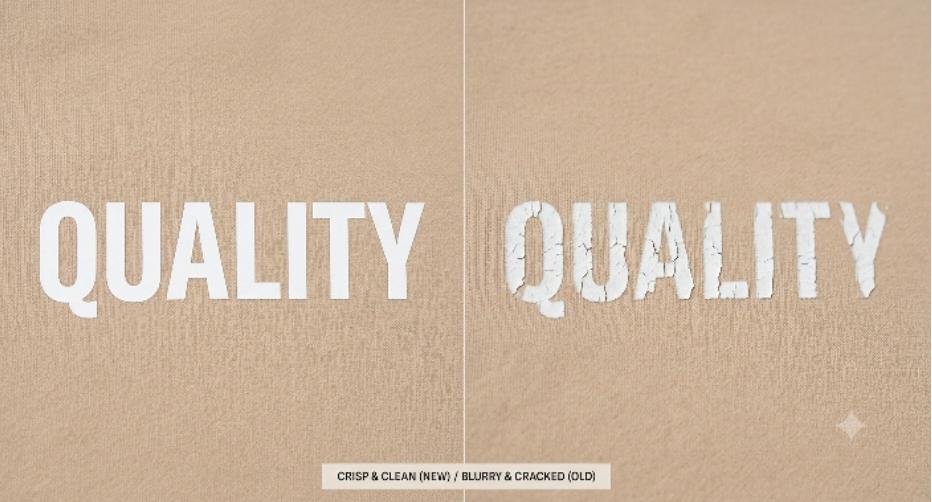
- Inspect the print. Real prints are crisp and even. Blurry, cracked, or peeling prints signal a cheap copy.
- Check the stitching. Tight, even seams mean care. Loose threads and crooked lines mean corners were cut.
- Look at the labels. Quality brands use clean, well-attached tags. Crooked or flimsy labels often signal fakes.
- Test the hardware. Zips and drawstrings on good pieces feel smooth and solid, not flimsy or sticky.
Run these five checks and you’ll catch most low-quality pieces fast. Each one targets a spot where cheap makers cut corners, so together they paint a clear picture. It takes under a minute once you’re used to it. So make these checks a habit, and a quick glance will tell you whether a piece is worth your money or not.
Reading the Stitching and Construction
After fabric, construction is where quality hides in plain sight. Cheap makers rush the stitching because most shoppers never look. So look closely. Quality seams have small, tight, even stitches with no gaps or loose threads hanging out. Run your eye along the seams, and check for straight, consistent lines. Wobbly or crooked stitching means the piece was rushed. So does any thread already coming loose. Pay special attention to stress points, the spots that take the most strain, like where the sleeves meet the body and around the pockets. Good pieces reinforce these areas with extra stitching, because that’s where garments usually fail first. Cheap copies skip that reinforcement, so they tear early. Here’s a hands-on detail worth knowing: turn the piece inside out if you can, because the inside reveals the truth. Clean, finished interior seams mean care, while messy, fraying ones mean a rushed job. So the inside often tells you more than the outside. A premium piece like a cole buxton hoodie shows this level of finish throughout, inside and out, which is exactly what you’re checking for. Check the hem and cuffs too. Quality ribbing is dense and springs back, while cheap ribbing feels loose and stretched out. So inspect every seam, corner, and edge before you trust a piece. Construction is what separates a hoodie that survives years from one that falls apart in months. Tight stitches, reinforced corners, and clean interior seams are the marks of something built to last, and they’re easy to spot once you start checking.
Warning Signs You Shouldn’t Ignore
Some red flags should stop you from buying, so keep these in mind.
- Blurry or cracked prints. Quality prints are sharp and flexible. Cracked or peeling ones mean cheap printing methods.
- Loose or uneven stitching. Threads coming loose on a new piece signal it won’t survive much wear.
- Flimsy zips and drawstrings. Sticky, weak hardware is a clear sign corners were cut on the build.
- No fabric details listed. A page hiding the weight and material is often hiding low quality.
- Prices far below normal. A premium-looking piece at a shockingly low price usually means it’s a cheap copy.
One honest limitation: even careful checking can’t catch every fake, because some copies have gotten good at mimicking the look in photos. So online, your checks tip the odds heavily in your favour, but they’re not foolproof. The real test often comes when the piece arrives in your hands. So inspect everything on delivery too, and use any return policy if something feels off. Watch for these warning signs, and you’ll dodge most bad buys long before they reach your wardrobe.
Where the Real Difference Shows Over Time
The biggest difference between quality and cheap shows up months later, not on day one. So think long-term. A cheap piece might look fine in week one, then fall apart fast. The print cracks, the fabric pills, the shape sags, and the colour fades. A quality piece holds steady through all of that. So the real test of any garment is how it ages, not how it looks brand new. Here’s where investing right pays off. A well-made noneofus hoodie or any quality piece keeps its shape, colour, and print through years of wear and washing. So you replace it far less often, which saves money over time even at a higher upfront price. I own hoodies I’ve worn for three years that still look sharp, right next to memories of cheap ones that died in months. So judge value by lifespan, not just price. A piece that lasts five years at double the cost is still cheaper per wear than one you replace yearly. Care plays a role too, but quality sets the ceiling. No amount of careful washing saves a poorly-made piece forever. So buy quality, care for it well, and let time prove the difference. The pieces worth your money are the ones still going strong long after the cheap copies have worn out. That long-term durability is the truest mark of quality there is.
How Returns and Policies Reveal a Trustworthy Seller
A good seller stands behind their pieces, so their policies tell you a lot before you even buy. Check the return and exchange terms first. A shop confident in its quality offers clear, fair returns, because they know most pieces won’t come back. So vague, hidden, or overly strict return rules are a quiet warning sign. Look for a visible return window, simple exchange steps, and honest shipping information. So read these pages before ordering, not after something goes wrong. Customer reviews help here too, especially ones with real photos, because they show how pieces actually arrive and hold up. A trustworthy shop also describes its products honestly, listing fabric, weight, and fit instead of vague marketing fluff. So detailed product pages signal a seller who cares. I always check the returns page and a handful of reviews before trusting a new shop, since those two things reveal more than any product photo. Don’t skip this step just because a piece looks great. A beautiful hoodie from a shady seller still carries risk. So treat the shop’s policies and reviews as part of the quality check, alongside the fabric and stitching. A genuine seller makes it easy to buy with confidence, while a sketchy one leaves you guessing. So judge the shop, not just the garment. Trustworthy policies and honest reviews are the final piece of telling real quality from a risky buy.
Final Words
Telling real quality from fakes comes down to a few honest checks. Feel the fabric weight, inspect the print, and read the stitching closely. Watch for cracked prints, loose threads, and flimsy hardware, and treat missing fabric details as a warning. Remember the real test is how a piece ages, not how it looks new, and check the seller’s policies before you trust them. Learn these signs, and you’ll rarely waste money on a bad buy again. Quality isn’t about the logo or the price. It’s about the build, and now you know how to spot it.
FAQs
How can I tell if streetwear is good quality?
Check the fabric weight, the print, and the stitching. Dense fabric, crisp prints, and tight even seams signal quality. Thin fabric and loose threads signal a cheap piece.
What GSM is good for a hoodie?
A quality hoodie often sits around 400 GSM or more. Higher GSM means denser, more durable fabric. Thin, cheap hoodies usually drop well below that.
How do I spot a fake print?
Real prints are crisp, even, and flexible. Fakes often look blurry, crack when bent, or start peeling. Sharp, clean printing is a sign of quality.
Does a high price mean good quality?
Not always. A high price can hide poor construction, so check the fabric and stitching regardless. Judge quality by the build, not the price tag alone.
How do I know if a seller is trustworthy?
Check their return and exchange policies, plus real customer reviews with photos. Clear, fair returns and honest product descriptions signal a seller you can trust.


Leave a Reply