
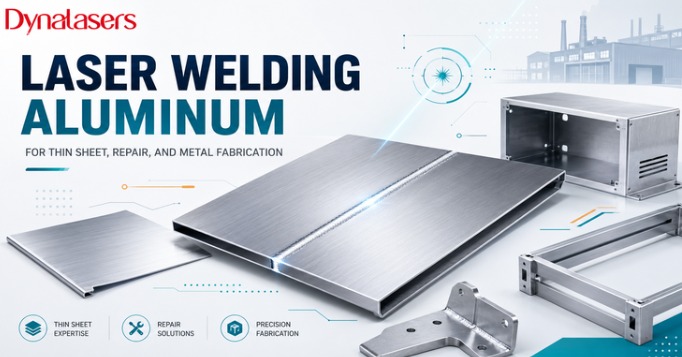
Laser Welding Aluminum for Thin Sheet, Repair, and Metal Fabrication
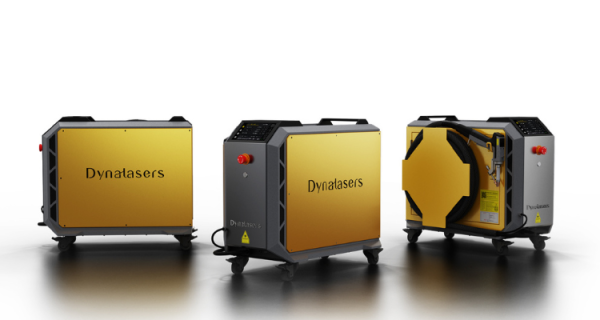
The D50 (1200 W) and D70 (1800 W) add spot welding and rust removal to the welding, cutting, and cleaning functions. Aluminum capability follows power level, reaching roughly 3.5 mm and 5.5 mm with the right setup. D series fits stronger repair work, aluminum frames, and thicker parts where shops need to switch between fabrication and maintenance without changing equipment. Fit-up, shielding gas, wire feeding, and testing still define the result.
S Series for Lightweight Aluminum Repair and Mobile Work
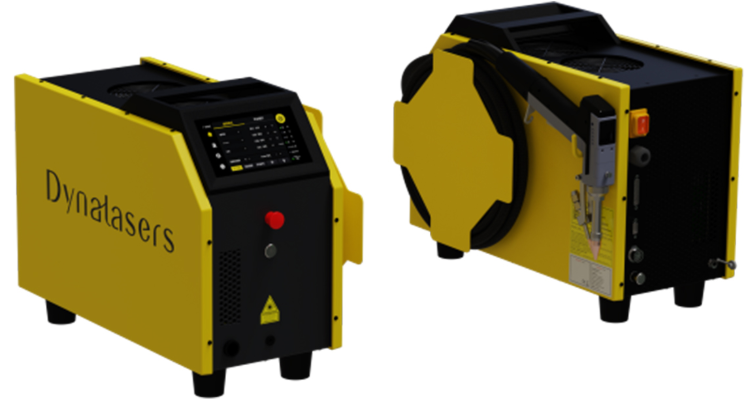
Built for mobility, the S series works as a lightweight laser welder for aluminum repair in compact workshops, field maintenance, and on-site jobs. It targets thin aluminum, short seams, and repair patches where portability counts more than maximum thickness capability — a practical choice for teams that move the machine to the work.
How to Choose a Laser Welder for Aluminum
Start with the real workload: alloy series, thickness range, joint type, gap tolerance, surface condition, and whether you need filler wire and multi-process functions. If most work involves thin sheet repair, short-run fabrication, and flexible workshop jobs, a handheld Dynalasers system delivers practical value without overcomplicating the floor. For high-volume precision production, automated laser cells remain the better answer. Don’t fixate on rated power alone — a stable process window proven on your actual parts matters more than any spec sheet number.
FAQs
Q1. Can you laser weld aluminum?
Yes, laser welding aluminum works under suitable conditions. The surface must be clean and oxide-free, with tight fit-up and proper shielding gas. Different alloys and thicknesses need dedicated test welds — there is no one-click fix.
Q2. What settings are used for laser welding aluminum?
Laser welding aluminum settings vary with alloy, thickness, joint design, power, wobble width, speed, focus position, gas flow, and wire feed. No universal setting exists. Always run sample coupons to confirm a stable window before production.
Q3. Is laser welding aluminum as strong as TIG welding?
Laser welding aluminum can produce welds as strong as TIG when penetration, filler wire, and heat control are correct. It is not automatically stronger. For structural aluminum parts, tensile or bend testing is the only way to confirm true joint strength.
Q4. What is the best laser welder for aluminum repair work?
The right laser welder for aluminum repair depends on thickness, portability, and power needs. Dynalasers M Series covers flexible shop repair, D Series handles stronger multi-process work, and S Series suits thin aluminum mobile repair and field jobs.
Conclusion
Laser welding aluminum has earned a solid place in thin sheet, repair, small-batch, and low-distortion fabrication. Aluminum will always demand careful preparation and honest testing — shortcuts don’t work. Dynalasers M, D, and S series give workshops flexible choices for aluminum welding, maintenance, and mobile repair without overpromising. Match the machine to your actual parts, run your samples, and let the results do the talking.
Laser welding aluminum is finding a real home in compact workshops — especially for thin sheet parts, aluminum frames, repair sections, and small-batch fabrication. Dynalasers handheld systems bring welding, cleaning, and light cutting together in one flexible tool, built for shops that need to switch tasks quickly. Let’s be straightforward: aluminum isn’t forgiving. Strong, clean results depend on alloy type, surface prep, shielding gas, fit-up, and honest material testing.
Can You Laser Weld Aluminum?
The question comes up constantly: can you laser weld aluminum? The direct answer is yes — when the material and parameters are properly matched. Aluminum behaves nothing like carbon steel. It demands tighter process control. A laser welder for aluminum needs adjustable power, a controllable wobble width, and reliable wire feeding to handle different joint geometries and alloy quirks. Dynalasers handheld systems give operators that control for thin-to-medium aluminum parts, visible seams, and repair work. Still, every new alloy and thickness combination deserves real sample welds. Test coupons are not optional.
Why Aluminum Is Difficult to Laser Weld
Aluminum’s high reflectivity and thermal conductivity create immediate challenges. Before a stable melt pool forms, much of the laser energy bounces away, and heat races out of the joint — often leading to lack of fusion. The tenacious surface oxide melts at a far higher temperature than the base metal, contaminating the puddle if it isn’t mechanically removed.
Porosity is another constant battle. Oil, moisture, residual oxide, or weak shielding gas coverage all leave pinholes. Hot cracking adds to the risk, especially with alloys like laser welding aluminum 6061. The 6xxx series is crack-sensitive under shrinkage stress, so for structural or load-bearing components, only destructive strength testing can confirm joint integrity. Wobble and the right filler wire reduce the risk, but nothing replaces good process control.
Laser Welding Aluminum vs TIG and MIG Welding
Here’s how laser welding aluminum compares to the traditional methods shops rely on every day.
| Method | Heat Input | Speed | Distortion Control | Best Use Case |
| Laser welding aluminum | Low | High | Excellent | Thin covers, repair patches, visible seams, small-batch parts |
| TIG welding aluminum | Low | Low | Good | Precision manual repair, high-quality cosmetic welds |
| MIG welding aluminum | Higher | Medium-High | Moderate | Thicker parts, long production seams, general fabrication |
An aluminum laser welder isn’t a universal replacement for TIG or MIG. It earns its keep on thin aluminum covers, cabinets, frames, and repair patches where low distortion, speed, and clean appearance matter most. For heavy structural work or code-governed parts, TIG or MIG with proper procedure qualification still makes more sense.
Key Factors That Affect Aluminum Laser Welding Quality
Finding workable laser welding aluminum settings goes far beyond just setting a power level. Alloy series, thickness, joint type, surface condition, wobble width, travel speed, focus position, shielding gas flow, and filler wire all shift the process window. A 5052 sheet runs very differently from a 6061 extrusion. Too much heat on thin aluminum immediately causes burn-through; pushing speed too high on thicker material with imperfect fit-up gives lack of fusion. Dynalasers recommends locking in a stable parameter window on sample coupons before you touch a single production part.
Surface Preparation Before Laser Welding Aluminum
The joint area must be free of oxide, oil, cutting fluid, fingerprints, adhesive residue, and moisture. Use dedicated stainless steel brushes and only solvents that leave zero residue — avoid chlorinated cleaners entirely, because heat turns them into dangerous gas. Joint fit-up needs to be tight and consistent; uneven gaps invite burn-through and porosity. Clean filler wire, proper shielding gas coverage, and solid fixturing complete the picture. On old, painted, or weather-stained aluminum repair sections, extra cleaning and test passes aren’t optional — they’re the bare minimum.
Common Problems in Laser Welding Aluminum
Problems almost always trace back to prep, gas, or parameters. Here’s what to look for when the bead doesn’t look right.
| Problem | Possible Cause | What to Check |
| Porosity / pinholes | Oil, moisture, oxide, poor gas coverage | Clean surface, check gas flow, dry material |
| Hot cracking | Alloy sensitivity, shrinkage stress | Wire selection, wobble, heat control |
| Lack of fusion | Speed too fast, poor fit-up | Slow down, adjust focus, improve joint |
| Burn-through | Thin sheet, too much heat | Reduce heat input, control gap |
| Black soot | Contamination or weak shielding | Clean surface, improve gas coverage |
With a fiber laser welder, these defects show up fast if the joint isn’t perfectly prepped. Always check, adjust, and test — load-bearing aluminum parts demand real strength verification.
Where Laser Welding Aluminum Fits Best
Laser welding for aluminium makes the most sense on thin-to-medium sheet metal parts, aluminum frames, equipment covers, enclosures, battery boxes, signage frames, cabinet components, and repair sections. A handheld laser welder for metal gives fabrication shops and maintenance teams real flexibility for short seams, visible joints, and small-batch work that changes daily. It is not the right tool for thick structural sections or pressure-rated code work — those jobs still belong to automated setups with fully validated welding procedures. For everyday repair and mixed-part fabrication, though, it fits the reality of a busy workshop.
Why Dynalasers Works Well for Aluminum Welding Jobs
Dynalasers handheld systems are designed for the way shops actually work. Aluminum tasks rarely stop at welding — cleaning oxide, light cutting, and area preparation are part of the same job. Having a multi-process machine saves real time. Whether the priority is an aluminum laser welding machine for daily mixed work or a mobile repair setup, the M, D, and S series cover different needs.
M Series for Small-to-Medium Aluminum Welding Work
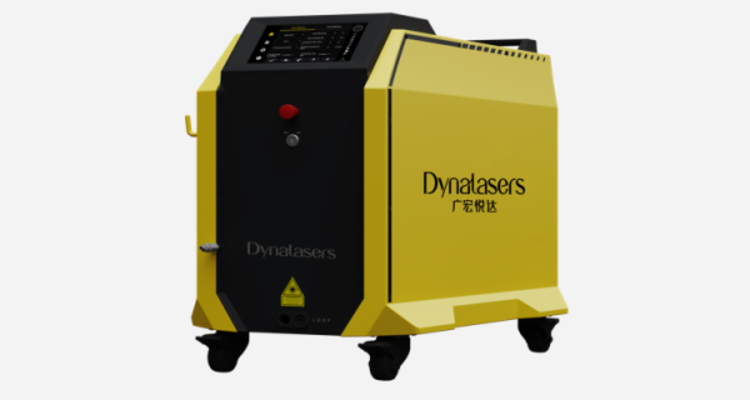
The M30 (800 W), M50 (1200 W), and M70 (1800 W) handle welding, cutting, and cleaning in one unit. Under proper conditions, aluminum penetration capability sits around 2.0 mm, 3.5 mm, and 5.5 mm respectively. These systems suit small-to-medium workshops dealing with aluminum covers, sheet assemblies, repair parts, and general fabrication — straightforward machines for jobs that change from hour to hour.
D Series for Stronger Aluminum Welding and Multi-Process Use
The D50 (1200 W) and D70 (1800 W) add spot welding and rust removal to the welding, cutting, and cleaning functions. Aluminum capability follows power level, reaching roughly 3.5 mm and 5.5 mm with the right setup. D series fits stronger repair work, aluminum frames, and thicker parts where shops need to switch between fabrication and maintenance without changing equipment. Fit-up, shielding gas, wire feeding, and testing still define the result.
S Series for Lightweight Aluminum Repair and Mobile Work
Built for mobility, the S series works as a lightweight laser welder for aluminum repair in compact workshops, field maintenance, and on-site jobs. It targets thin aluminum, short seams, and repair patches where portability counts more than maximum thickness capability — a practical choice for teams that move the machine to the work.
How to Choose a Laser Welder for Aluminum
Start with the real workload: alloy series, thickness range, joint type, gap tolerance, surface condition, and whether you need filler wire and multi-process functions. If most work involves thin sheet repair, short-run fabrication, and flexible workshop jobs, a handheld Dynalasers system delivers practical value without overcomplicating the floor. For high-volume precision production, automated laser cells remain the better answer. Don’t fixate on rated power alone — a stable process window proven on your actual parts matters more than any spec sheet number.
FAQs
Q1. Can you laser weld aluminum?
Yes, laser welding aluminum works under suitable conditions. The surface must be clean and oxide-free, with tight fit-up and proper shielding gas. Different alloys and thicknesses need dedicated test welds — there is no one-click fix.
Q2. What settings are used for laser welding aluminum?
Laser welding aluminum settings vary with alloy, thickness, joint design, power, wobble width, speed, focus position, gas flow, and wire feed. No universal setting exists. Always run sample coupons to confirm a stable window before production.
Q3. Is laser welding aluminum as strong as TIG welding?
Laser welding aluminum can produce welds as strong as TIG when penetration, filler wire, and heat control are correct. It is not automatically stronger. For structural aluminum parts, tensile or bend testing is the only way to confirm true joint strength.
Q4. What is the best laser welder for aluminum repair work?
The right laser welder for aluminum repair depends on thickness, portability, and power needs. Dynalasers M Series covers flexible shop repair, D Series handles stronger multi-process work, and S Series suits thin aluminum mobile repair and field jobs.
Conclusion
Laser welding aluminum has earned a solid place in thin sheet, repair, small-batch, and low-distortion fabrication. Aluminum will always demand careful preparation and honest testing — shortcuts don’t work. Dynalasers M, D, and S series give workshops flexible choices for aluminum welding, maintenance, and mobile repair without overpromising. Match the machine to your actual parts, run your samples, and let the results do the talking.


Leave a Reply