
Pneumonia Treatments to Supplement Your Medical Treatment Plan
Individuals diagnosed with pneumonia want rapid relief. Their physician will likely prescribe medications to provide this relief, but they often take time to work. Fortunately, there are home remedies a person can use in the meantime. However, a person should always see their doctor if they suspect they have pneumonia, as this condition can be severe. Fully recovering can actually take months. Home remedies will help a person manage their symptoms until their health improves. These remedies are used in conjunction with the treatment plan provided by their physician.
Understanding Pneumonia
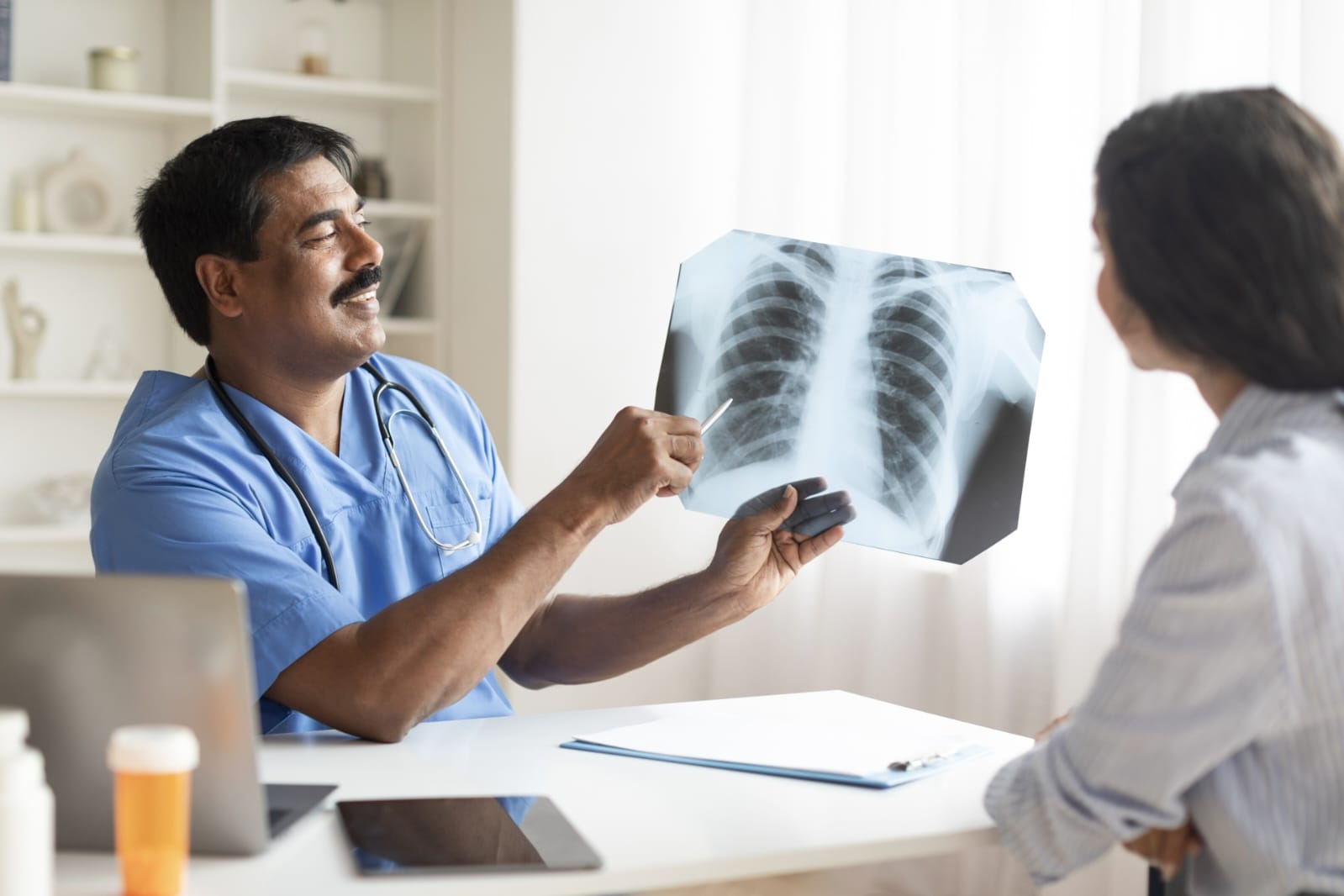
Pneumonia affects the lungs. Some people have pneumonia in one lung, while others have it in both. With this condition, the air sacs and the lungs are filled with pus or fluid. As a result, breathing is difficult. Some people find their pneumonia is mild, but others have a severe case that could actually threaten their lives. They need the best pneumonia treatments available, along with home remedies for short-term relief.
Pneumonia Symptoms
How can a person know when they have pneumonia? Certain signs indicate that this condition may be what they are dealing with. Individuals who have pneumonia often feel short of breath. When they breathe or cough, their chest may hurt. Fever and chills are associated with this disease, and many people experience nausea and vomiting. Each person is different, so an individual should never assume they don’t have this disease if they only have a few of the listed symptoms. If they have any of these symptoms, they should contact their doctor for an appointment.
What Causes Pneumonia?
Many things can cause pneumonia. Some people have bacterial pneumonia, while others have viral pneumonia. Fungi can even cause pneumonia. However, bacterial pneumonia is the most common, and there are several varieties. A person may be diagnosed with Streptococcus pneumonia or Mycoplasma pneumonia, among others.
Treating the Cough
To treat the cough associated with pneumonia, men and women can take several steps. Unfortunately, this cough may linger for months, so these treatments will be highly beneficial. Coughing is essential because it helps the body clear the infection. The cough removes fluid from the lungs, so people should not use a cough suppressant that completely stops coughing. However, they may want to use a suppressant for short-term relief from the coughing so they can sleep or rest.
A saltwater gargle can help with this cough. It removes some mucus from the throat while relieving irritation. Dissolve 1/2 tsp of salt into a glass of warm water. Lift the head and look at the ceiling, take a drink, and gargle the mixture in the back of the throat. Spit out the salt water, and repeat this process until the glass is gone. Individuals should use the saltwater gargle three or more times each day.
Peppermint tea can also help reduce irritation and remove mucus. Peppermint appears to be an effective anti-inflammatory, decongestant, and pain reliever. Peppermint tea can be easily obtained at grocery stores or online. Individuals who have access to fresh peppermint can make tea with the leaves and inhale the aroma as it steeps for added relief. Doing so may help clear the nasal passages.
To make fresh peppermint tea, cut and wash fresh mint leaves. Set them in a cup or teapot and pour boiling water over them. Allow this mixture to sit for five minutes. Strain the tea and serve it with honey, milk, or lemon.
To address shortness of breath, use a handheld fan. Some people find that passing the fan across their face relieves their breathlessness. Individuals with chronic obstructive pulmonary disorder often find that the fan relieves their shortness of breath.
Coffee contains caffeine, which opens the airways. Anyone short of breath may try this beverage to see if it relieves their symptoms. However, the results will only last a short time.
Turmeric tea may help those suffering from chest pain due to pneumonia. Nevertheless, anyone taking blood thinners should not use this option, as it could make the blood too thin. The curcumin found in turmeric offers anti-inflammatory, antioxidant, and antimicrobial elements. Consuming the substance can help the body fight off pneumonia.
A person can easily make this tea at home by combining one teaspoon of turmeric powder with a few cups of boiling water. Lower the stove temperature and simmer the mixture for 10 minutes before straining. Serve the tea with honey and lemon.
Over-the-counter pain medications may be used to relieve the fever that typically accompanies pneumonia. These medications will also reduce any pain the person is experiencing. However, pain medication should always be taken with food to avoid unpleasant side effects.
Remaining hydrated is essential for individuals with pneumonia. Running a fever can dehydrate a person, and these fluids must be replenished. Add electrolytes to the water to provide additional hydration. For those who do not feel like drinking, homemade popsicles can help replenish fluids lost to fever. The popsicles will also help the individual cool down if they feel overheated.
Many people find that the best thing they can do when dealing with pneumonia is to eat a bowl of warm soup. The bowl provides them with the nourishment they need to fight off the infection. Furthermore, it helps replenish liquids while warming the individual from the inside out.
These home remedies are not intended to replace the doctor’s treatment plan. Always stick to that treatment plan and add these home remedies for short-term relief. However, the underlying cause of the pneumonia must be treated for a complete recovery. With the doctor’s treatment plan, home remedies, and plenty of sleep, most people feel better within a few days. Those who don’t should make a follow-up visit with their physician to learn why they aren’t seeing improvement.
Most people find they start seeing improvement once they begin taking prescribed medications. Nevertheless, some people find it takes them up to six months to recover fully, as this disease takes its toll on the lungs. Talk with your doctor about trying home remedies during your visit, and ask whether they can provide guidance on which may be most beneficial to you.


Leave a Reply