
Restoring Everyday Comfort: How Modern Tooth Replacement Can Transform Your Smile
A confident smile can influence much more than appearance. It can make conversations feel easier, meals more enjoyable, and everyday interactions more natural. When missing or damaged teeth begin to affect these simple experiences, modern tooth replacement can offer a practical way to restore both function and confidence. Today, Dentures are no longer limited to traditional solutions that simply replace visible teeth. With improved materials, better fitting techniques, and personalised treatment planning, modern options can be designed around an individual’s oral health, comfort, facial appearance, and lifestyle.
Understanding the Role of Modern Tooth Replacement
Tooth loss can happen for several reasons, including ageing, tooth decay, gum disease, injury, or other dental concerns. Regardless of the cause, missing teeth may influence how a person bites, chews, speaks, and smiles. In some cases, the spaces left by missing teeth can also affect the positioning of neighbouring teeth. Tooth replacement focuses on restoring these functions while supporting a natural-looking appearance. Depending on the extent of tooth loss and the condition of the remaining teeth and gums, a dentist may consider options such as dentures, bridges, or dental implants. The appropriate solution is not necessarily the same for everyone. A detailed dental assessment helps determine which approach can provide suitable support while taking the patient’s comfort, oral health, expectations, and long-term requirements into account.
How Dentures Have Evolved
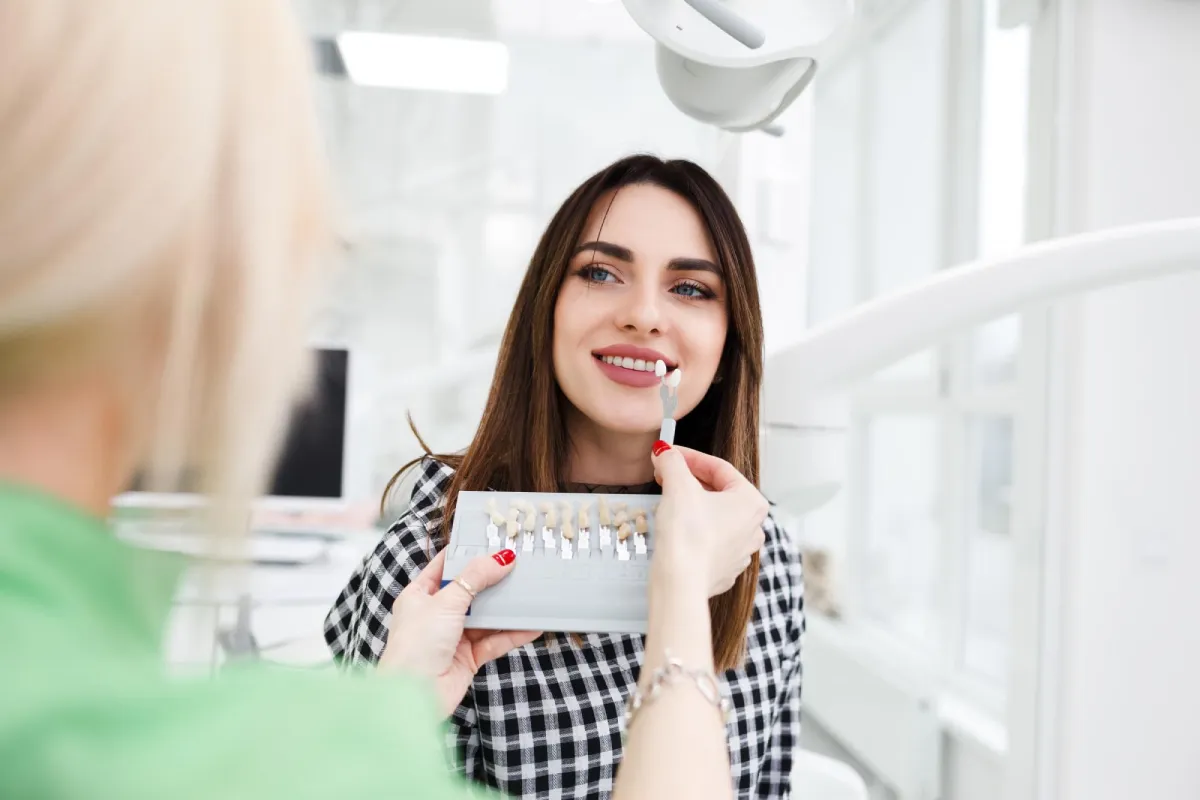
Modern dentures have benefited from developments in dental materials and clinical techniques. Instead of relying on a one-size-fits-all approach, contemporary denture treatment can involve careful measurements, impressions, bite assessment, and aesthetic planning. The objective is to create a replacement that sits comfortably and complements the individual’s facial features. The shape, size, and shade of artificial teeth can be considered as part of the overall design, helping create a balanced appearance.
Different types may be suitable for different circumstances. Partial dentures can replace several missing teeth while working alongside remaining natural teeth, whereas full dentures may be considered when an entire arch requires replacement. Flexible dentures can also provide an alternative for certain patients, depending on their clinical needs.
The Importance of a Personalised Treatment Approach
Successful tooth replacement begins with understanding the person behind the dental concern. Factors such as the number of missing teeth, gum health, jaw structure, existing dental work, bite, lifestyle, and aesthetic preferences can all influence treatment planning. For individuals exploring options at a best dentures clinic in Dubai, the quality of the consultation can be just as important as the type of replacement selected. A comprehensive assessment allows dental professionals to understand the patient’s expectations and identify an option that balances appearance, comfort, and function. Personalised planning can also help patients understand what to expect at each stage of treatment. From the initial assessment and impressions to fitting and follow-up care, clear communication can make the experience more comfortable and predictable.
Supporting a Natural-Looking Smile
Replacing missing teeth is not simply about filling spaces. The design of a dental replacement can influence the overall appearance of the smile and facial profile. Modern dental planning considers factors such as tooth proportion, colour, alignment, gum visibility, and the relationship between the teeth and facial features. These details can help create a result that looks more harmonious rather than artificial.
For many people, restoring a complete smile can also have an emotional benefit. Feeling more comfortable while smiling or speaking may encourage greater confidence in professional and social situations. However, expectations should remain realistic. Every person’s oral structures and treatment requirements are different, and the final result depends on clinical circumstances as well as the chosen treatment.
Care and Maintenance Matter
Even the most carefully designed dental replacement requires appropriate care. Good oral hygiene remains essential for protecting the gums, tongue, remaining natural teeth, and supporting oral tissues. Dentures should generally be cleaned as advised by a dental professional. Patients should also maintain regular dental appointments so that the condition of their mouth and the fit of the replacement can be assessed over time.
Changes in the gums or jaw can affect how a denture fits. Weight changes, natural ageing, and alterations in oral structures may also influence comfort and stability. If a replacement begins to feel loose, uncomfortable, or irritating, professional assessment is advisable rather than attempting to modify it independently. Regular reviews can help ensure that the appliance continues to serve its intended purpose while supporting overall oral health.
When to Consider Professional Assessment
Some signs may indicate that it is time to discuss tooth replacement with a dental professional. Difficulty chewing, avoiding certain foods, changes in speech, visible gaps, discomfort caused by missing teeth, or concerns about smile appearance can all justify a consultation. A professional assessment does not automatically mean that a patient will require a particular treatment. Instead, it provides an opportunity to understand the available options and determine whether tooth replacement is appropriate. Patients who already use dentures should also seek advice if they experience persistent soreness, movement, difficulty eating, or changes in fit. These concerns may indicate that adjustments or a replacement appliance should be considered.
Modern Dentistry and Patient-Centred Care
Advancements in dentistry have made treatment planning increasingly precise and personalised. Digital tools, improved materials, in-house laboratory support, and modern clinical techniques can contribute to a more streamlined treatment journey. Technology, however, is only one part of effective dental care. Understanding the patient’s concerns and providing clear guidance remain essential. A patient-focused approach allows clinical decisions to be made with greater awareness of individual needs and expectations.
Conclusion
Tooth replacement can represent an important step towards restoring everyday comfort and confidence. Modern solutions are designed with more than appearance in mind, helping address practical concerns such as chewing, speaking, stability, and oral function. The right treatment begins with a thorough assessment and an individualised plan. Rather than selecting an option based solely on cost or appearance, patients can benefit from discussing their complete oral health needs with a qualified dental professional.
For those seeking personalised dental care in Dubai, Queens Medical Center brings together modern dental services, personalised treatment planning, contemporary technology, and a patient-focused approach within its wider healthcare offering. Its emphasis on individual care, ongoing development, and modern treatment solutions reflects an approach centred on helping patients achieve healthy, confident smiles.


Leave a Reply