

Social Recruiting: The Role of Digital Marketing in Talent Acquisition in 2026
Brands and organizations now have to be more creative in their hiring process to attract the right candidates, which is where social recruiting comes into play.
Businesses are tapping into socially focused digital marketing techniques to attract more applications from qualified candidates. If you can use social media to connect with potential customers, you can also use it to communicate with potential employees.
In this article, we’ll explain what social recruiting is, why it matters for modern hiring teams, and which techniques can help you connect with better-fit candidates.
Highlights
- Social recruiting lets businesses use social media to find and connect with the right candidates.
- LinkedIn works well for professional hiring, while platforms like Instagram, TikTok, and X can help build your employer brand.
- Sharing company culture, featuring employees, and paying attention to social conversations can make your recruiting feel more genuine.
- A strong social recruiting strategy should tie back to your website, careers page, and overall digital marketing efforts.
What is social recruiting?
As a talent acquisition strategy, social recruiting leverages digital marketing techniques to connect with your ideal candidates. It involves posting content and interacting with users on social media networks such as LinkedIn, Instagram, TikTok, X, and other popular platforms.
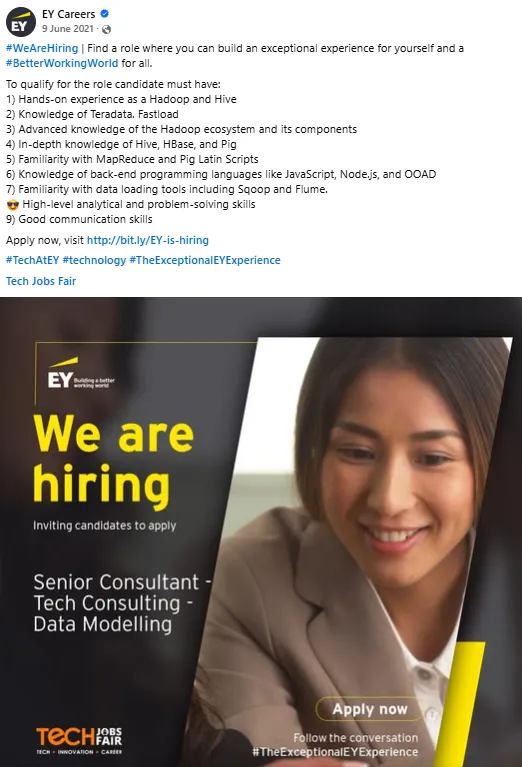
Which social media platforms you use depends on the nature of your business and what sort of roles you want to fill. For example, LinkedIn might make more sense if you’re looking to fill a senior-level position. TikTok or Instagram might be better platforms to focus on if you’re looking to add someone to your content team or hire an intern.
Why use social recruiting?
Social recruiting’s primary goal is to streamline the recruitment process by attracting the right potential talent for your team. It allows you to connect with potential applicants for open roles, increasing your odds of finding the right fit.
According to SHRM’s 2025 Talent Trends research, social media tops the list of recruiting strategy usage, with 55% of organizations using it to connect with potential candidates over the past year.
That reach matters because a brand’s social presence often works like a second careers page. Curating your brand’s online presence to accurately represent who you are as a company, what you do, and who you serve can attract potential candidates who fit more naturally with your team.
That experience should stay consistent after hiring, too. If your recruitment content promotes a modern workplace, onboarding should feel just as smooth. Digital employee experience software can help new hires access training, internal updates, and communication tools without friction.
6 social recruiting techniques for sourcing talent
Now, let’s look at six practical ways to use social media to attract and engage potential candidates.
1. Optimize your social media profiles
The first step in deploying a successful social recruiting strategy is optimizing your profiles on the social platforms you’ll use. This step is essential because interested candidates will visit these profiles when they come across your content or job listings.
For starters, your username should be the same across all platforms. If the exact usernames aren’t available across platforms, the variations should be very similar and easy to identify.
You should also optimize your bio, link to your website, and fill out any other fields each specific platform provides. Making relevant information readily accessible will improve the candidate experience.
Make sure it’s easy to get from your social profile to your open roles. If someone has to click through several pages just to find a job listing, most of them won’t bother.
Your bio link should go straight to a careers page, a specific job listing, or a landing page that clearly explains who you’re looking for, what’s available, and what to do next.
That also keeps interested candidates moving toward your website instead of hitting a dead end on social.
That path should also be secure. Social recruiting often sends candidates to careers pages, forms, and hiring platforms that collect personal information. Threat detection helps protect those touchpoints from phishing, fake job postings, and other security issues that can erode candidate trust.
2. Leverage LinkedIn
LinkedIn is one of the most valuable tools for hiring and recruitment teams that want to use social recruiting.
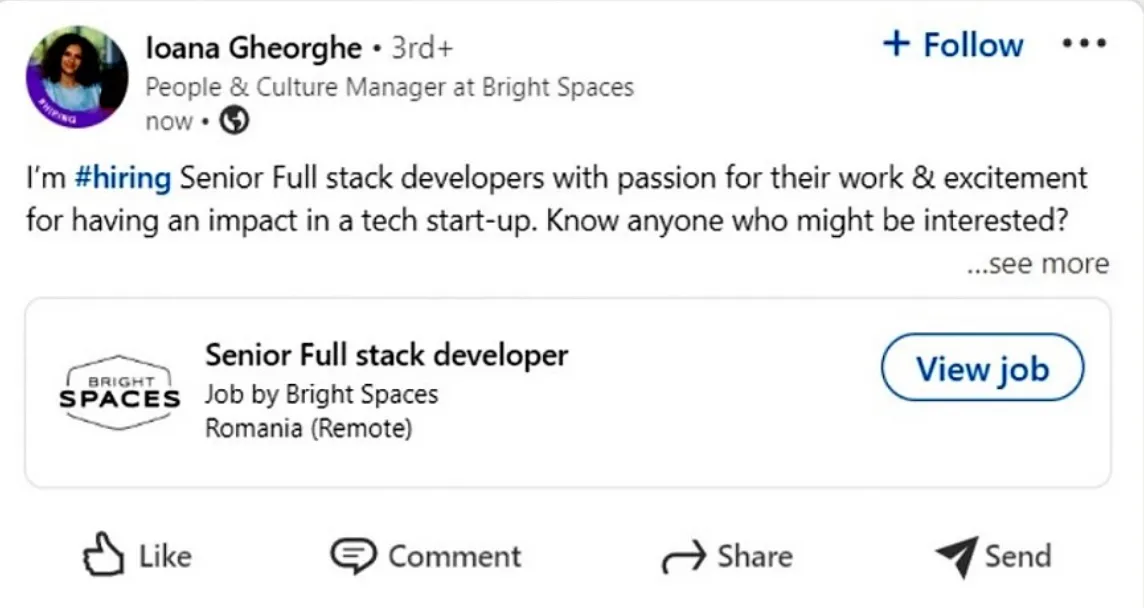
It offers many tools for building a professional social media presence, publishing and managing job listings, browsing candidate profiles, and more.
You’ll likely use your business profile to publish on LinkedIn job boards, so it’s crucial to optimize it. However, many recruiters or hiring managers use their personal LinkedIn profiles to connect with prospective employees, so it’s wise to set standards for those profiles to maintain the cohesive brand feel.
3. Showcase your company culture
Ensuring a culture fit is essential for many people when applying for and accepting a job.
Instead of only posting polished team photos or event updates, use your social channels to show what working at your company actually looks like. This can include short clips from team meetings, behind-the-scenes posts from workdays, employee learning moments, or updates about how your team collaborates.
You can also publish content about team retreats, work parties, and other activities that demonstrate a rewarding work culture. Posting fun facts about your employee retention rates, how much you invest in your team’s continuing education, and other stats can also help these efforts.
4. Feature current team members
Strong candidates often compare employers before deciding where to apply. One way to show that your business is a good place to work is to create content that features current employees.
Some fun content you could create to spotlight your team members includes:
- Highlighting team member accomplishments (i.e., beating a sales record, getting a new certificate, or achieving a big personal goal)
- Q&As with subject matter experts in your organization
- Testimonials about the workplace experience
- Day in the life (DITL) story takeovers
- Team member profiles
You can use this content across your social profiles, website, email marketing, and other digital channels.
5. Start a conversation
If you’re interested in a prospective candidate, it’s worth starting a conversation with them. You could interact with their content or reach out to them directly.
With this type of outreach, you’ll probably want to use a more professional social media platform, like LinkedIn. Reaching out to someone’s personal Instagram or Facebook account can feel intrusive.
The exception would be someone who creates content about their profession on Instagram, Facebook, and the like. If that’s the case, you can certainly start a conversation there. However, if they’ve built that sort of personal brand, they may be open to working on a contract basis rather than full-time employment.
6. Practice social listening
Social listening is a digital marketing technique in which you monitor online conversations to understand a specific topic better or gain insight into the public’s perspective on a brand.
This technique can help hiring managers gain valuable insights into crafting their job descriptions, managing their online presence, and shaping their organizational culture to attract the right candidates.
You can also use these insights to change how you talk about open roles. If candidates keep asking about remote work, salary, career growth, or how long the interview process takes, make those details front and center in your posts and job descriptions.
Social listening isn’t just about tracking what people say. It helps you understand what candidates actually need to know before they feel ready to apply.
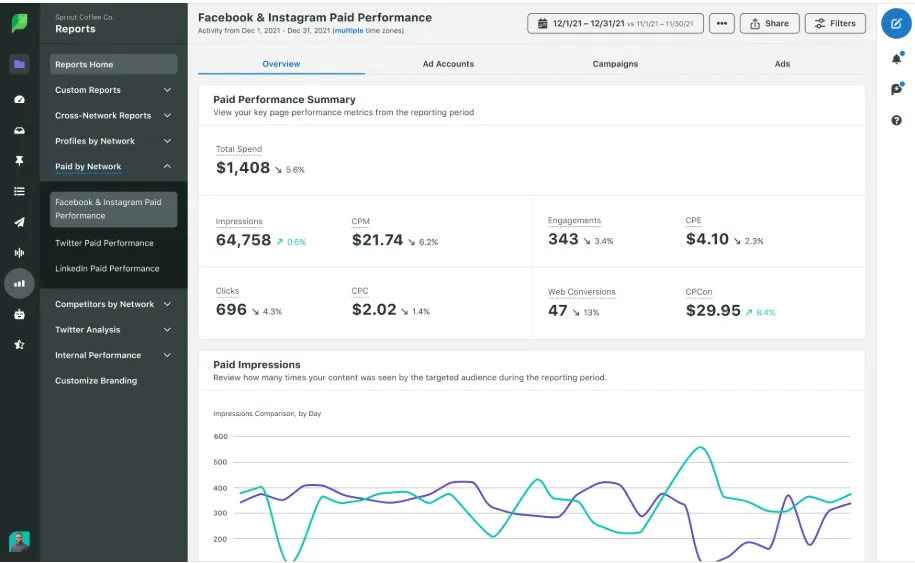
Unlike direct outreach, social listening starts with observation before any conversation begins.
Final thoughts
Social recruiting is a practical way to reach the talent pool for a role you’re trying to fill. By using social media to build genuine connections with prospective employees, recruiters and hiring managers can make their hiring process more visible, accessible, and candidate-friendly.
But social media is usually only the first touchpoint. Once candidates click through, your careers page, company blog, and employer branding content should give them a clear reason to trust your business and apply.
If that part of your website needs a cleaner foundation, PortoTheme can help you build a polished site that reflects your brand before candidates ever apply.
About the author
Emily Krings is an SEO content writer and strategist with a knack for storytelling. She specializes in helping B2B businesses create blog content that connects with their audiences.


Leave a Reply