
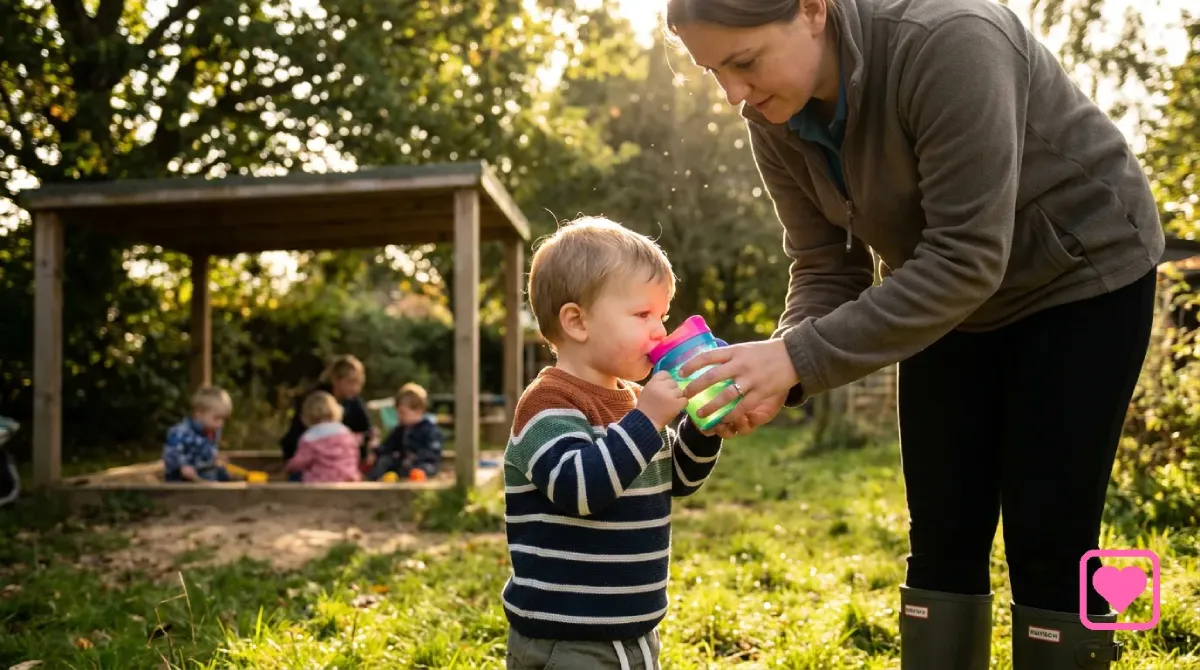
Summer Safety and Heatwave Resilience: A Practical Guide for UK Early Years Settings
A toddler who runs happily into a nursery garden at 10:30 can look flushed, quiet and unwell by lunchtime if heat builds faster than staff routines adapt. Babies and young children are less able than adults to regulate temperature, so hot rooms, heavy outdoor play and missed drinks can become safety issues quickly.
Regular drills and a paediatric first aid course help teams act early and safely during hot spells.
Environmental Management and the Indoor Climate
Heat risk often starts indoors before children ever reach the garden. A nap room that felt comfortable at drop-off can become stuffy by midday, especially where large windows catch direct sun or several cots sit close together. The Health and Safety Executive says employers must provide a reasonable workplace temperature and manage the risks from heat, and early years settings have the added duty of caring for children who cannot always say they feel too hot. Good heat management means checking rooms repeatedly, adjusting routines early and treating sleep spaces as active risk areas.
Regulating Nap Room Temperatures
Babies and younger toddlers can overheat during naps because they are lying still, often in a warmer corner of the room, and may be unable to remove bedding or move away from heat. Staff should cheque room thermometers at regular points, not just at opening time, and record any action taken when temperatures rise. Cots should be kept away from direct sunlight, radiators, trailing blind cords and any fan cable that could create a hazard.
Morning preparation matters because heat gain builds silently through glass. Blinds, curtains or reflective coverings can reduce direct sunlight before rooms become uncomfortable, provided they do not block safe supervision. Sleep clothing and bedding should be reviewed during hot spells, with families told what the setting is changing and why.
Optimising Airflow and Ventilation
Air movement can make a hot room safer, but it needs planning. Fans should never blow directly into a baby’s face or sit where a child can reach blades, switches or cables. Opening windows on opposite sides of a room may improve cross-ventilation, but staff still need to consider window restrictors, safeguarding sightlines and outside noise that may mask a child waking or becoming distressed.
Simple checks can keep ventilation useful rather than improvised:
- Place fans on stable surfaces away from cots, water trays and walkways.
- Keep doors open only where fire safety, safeguarding and supervision allow.
- Use shaded windows for incoming air where possible, rather than sun-heated openings.
- Move high-energy activities out of the hottest rooms before children become unsettled.
- Log room checks alongside sleep checks during declared hot weather.
The aim is not to create a chilly room. It is to prevent stagnant heat from building while preserving the normal safeguards around sleep, supervision and movement. Once the indoor environment is under control, the next decision is whether outdoor play needs to change.
Redesigning Outdoor Play for High Temperatures
Outdoor play should not disappear every time the temperature rises, but the timing, duration and intensity need to change. Children can become hot quickly when running, climbing or wearing dressing-up clothes in strong sun. Hard surfaces and metal equipment can also heat far beyond the air temperature. A safe summer routine gives staff permission to shorten sessions, change the activity and move children back inside before anyone looks visibly unwell.
The 11:00 to 15:00 Rule
The sun is often strongest around the middle of the day, so many settings use 11:00 to 15:00 as a practical caution window for high heat. During hot spells, outdoor play is usually safer earlier in the morning or later in the afternoon, with the middle hours reserved for shaded, calmer activities. This is especially important for babies in prams, children with medical needs and those who become absorbed in play and ignore thirst.
Changing the timetable should be specific enough for staff to follow under pressure. A setting might replace a lunchtime football session with story mats under shade, water painting on a shaded wall, or short garden visits in small groups. Sun hats, suitable clothing and sunscreen arrangements still matter, but they do not replace the need to avoid heavy exertion during peak heat.
Surface Heat and Equipment Safety
Play equipment can become a burn risk before adults notice. Metal slides, climbing frames, artificial grass, rubber safety surfacing and dark mats can all hold heat, particularly after several hours of sun. Staff should touch-test surfaces with the back of the hand before children use them, then cheque again during the session. If it feels too hot for an adult hand, it is not suitable for bare skin or thin summer clothing.
Temporary shade can reduce risk, but it must be secure and supervised. Useful options include:
- Gazebos weighted or fixed according to the manufacturer’s instructions.
- Shade sails positioned away from climbing routes and trip points.
- Parasols used for seated activities, not rough play.
- Outdoor rugs placed only where they do not create curled edges or slips.
- Rotating small groups through shaded areas rather than crowding one shelter.
Water play may help children stay cooler, but it also brings supervision, slip and hygiene risks. Staff should avoid assuming that wet play alone prevents overheating. Once children return indoors, hydration checks become the next line of defence.
Hydration and Nutrition Strategies
Children rarely manage their own fluid intake reliably in hot weather. Some forget to drink because they are playing, while others refuse water until they are already tired or irritable. Settings need a routine that increases drink opportunities beyond the usual snack table or lunch break. The NHS advises that dehydration can be more serious in babies and young children, so staff should treat reduced drinking, fewer wet nappies and unusual sleepiness as information, not minor inconveniences.
Water should be visible, accessible and offered often. During hot weather, younger children may need drinks on arrival, before outdoor play, after outdoor play, at snack time, before sleep and after waking. Older children can be encouraged to recognise thirst, but adults still need to prompt them.
For babies and children in nappies, urinary output is a practical early marker. Fewer wet nappies, darker urine or a long gap without a wet nappy can suggest poor fluid intake, especially if paired with dry lips or lethargy. Staff should share patterns with parents at collection and follow the setting’s health policy if concerns build during the day.
Food can support hydration without turning snack time into a medical intervention. Water-rich foods such as melon, cucumber, oranges and strawberries can add fluid and encourage reluctant drinkers, provided allergies, choking risks and age-appropriate preparation are managed. High-salt snacks are less helpful during heat, particularly if children are already drinking poorly. Staff should cut round foods safely, supervise eating and keep perishable items chilled.
Nutrition plans also need to respect individual health needs. Children with diabetes, kidney conditions, feeding difficulties or medication that affects temperature regulation may need agreed care plans before a heatwave begins. Parents can advise on normal fluid habits and warning signs for their child.
Identifying and Responding to Heat-Related Illness
Heat-related illness can look like ordinary tiredness at first, which is why staff need shared language and clear thresholds for action. A child who is hot, pale, sweaty or unusually irritable should be moved out of heat promptly and observed closely. The NHS distinguishes between heat exhaustion, which often improves with cooling and fluids, and heatstroke, which is a medical emergency. Early action reduces the chance of a child deteriorating while adults debate what they are seeing.
Recognising Heat Exhaustion
Heat exhaustion may show as heavy sweating, clammy skin, dizziness, headache, nausea, muscle cramps, thirst, fast breathing or unusual tiredness. In young children, the signs may be less tidy: crying, refusing play, becoming floppy, seeming confused by simple instructions or wanting to sleep at the wrong time. Staff should compare the behaviour with that child’s normal pattern, particularly after outdoor play or a nap in a warm room.
Immediate first aid is straightforward but must be prompt. Move the child to a cooler place, remove unnecessary outer layers and encourage small sips of water if the child is awake and able to drink. Cool the skin with cool water, damp cloths or a fan used safely, and update the senior person in charge.
Differentiating Heatstroke from Exhaustion
Heatstroke is different because the body is no longer coping with the heat. Warning signs can include a very high temperature, hot skin that may be dry or sweaty, confusion, a seizure, loss of consciousness, rapid breathing or a child who becomes difficult to wake. A baby who is floppy, unresponsive or unusually drowsy should never be left to “sleep it off” in a warm room.
While waiting for emergency help, keep cooling the child and maintain supervision. Do not give fluids to a child who is unconscious, having a seizure or unable to swallow safely. Move other children away calmly, ask one staff member to meet the ambulance crew and keep a written note of times, symptoms and first aid given.
Choosing First Aid Courses
A written hot weather policy is useful only if staff can apply it at 14:00, with tired children, warm rooms and parents due soon. The strongest settings turn policy into small observable habits: room checks, shaded play plans, extra drinks, nappy monitoring and a shared threshold for escalating concerns. After reading the warning signs, staff should be better placed to spot the child who is moving from ordinary heat discomfort into something more serious.
Reading guidance is still not the same as practising decisions under pressure. Staff need rehearsal with realistic scenarios, such as a pale toddler after garden play, a baby waking hot from a nap, or a child who becomes confused during a heatwave.
Training providers such as Brity® run paediatric first aid course options across the UK for workplaces that want staff to practise recognising and responding to childhood emergencies, including summer heat illness.


Leave a Reply