

The Defensive E-Commerce Stack: How To Choose Hosting Stability and Proactive Security for Your Company Website
Your website is often the first real interaction people have with your company.
For many customers, it is your storefront, your sales team, and your brand reputation all in one place.
That is why performance and security matter so much. If a site is slow, unreliable, or unsafe, trust disappears instantly.
Customers leave, and revenue follows in their footsteps.
Due to all this, hosting stability and proactive security are critical components. They form the foundation that keeps your website available, fast, and protected from cyber threats at all times.
When done right, they quietly support growth.
When ignored, they can create serious business risk.
In this article, we will break down how to choose the right hosting and your website’s security setup.
Besides, we will explain what matters, why it matters, and how it directly impacts your company website.
Why hosting stability and proactive security matter
Hosting stability determines whether your website is available and responsive when customers need it.
If your hosting struggles, everything else suffers.
Important things to note:
- Slow-loading pages frustrate visitors quickly.
- Downtime completely stops sales.
- Even short outages can damage trust.
Cloudflare research indicates that a page loading delay of just a single second can reduce conversions by 7%.
Security issues carry even greater risk. In the event of a data breach, your security strategy must include an incident response plan to protect sensitive data.
E-commerce websites are common targets because they process payments, personal data, and other sensitive data sets. A single attack surface can result in lost revenue, legal exposure, and long-term brand damage.
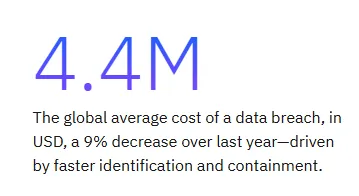
IBM found that on a global scale, the average cost of a data breach reaches $4.4 million.
Together, proactive security and web hosting stability both the business and the customer experience.
A real-world example
Sites offering specialized research products, such as a BPC 157 TB 500 blend, must prioritize hosting stability and proactive security.
Maintaining accurate product information, batch tracking, and order documentation requires a defensive ecommerce stack with automated backups, SSL encryption, and real-time, continuous monitoring.
This ensures that customers accessing detailed product data or completing sensitive transactions experience a reliable and trustworthy site.
What hosting stability really means
Hosting stability is about consistency. It ensures network stability and that your website performs reliably, even under high traffic loads.
A stable hosting environment delivers:
- High uptime
- Fast server response times
- Reliable performance during traffic spikes
- Predictable behavior during peak sales periods
Unstable hosting often shows warning signs:
- Pages load slowly at busy times.
- Checkout fails unexpectedly.
- Admin dashboards lag or crash.
Shared hosting may be suitable for small sites, but it often struggles to handle e-commerce traffic. VPS, dedicated, and cloud hosting provide better isolation and stronger performance. Having higher cyber resilience means more peace of mind.
Cloud hosting is especially popular because it spreads the load across multiple servers. If one server fails, another takes over. That redundancy improves uptime and reliability. What a security engineering solution.
For company websites that generate revenue, hosting stability isn’t a luxury or a security step; it is a requirement.
Understanding proactive security
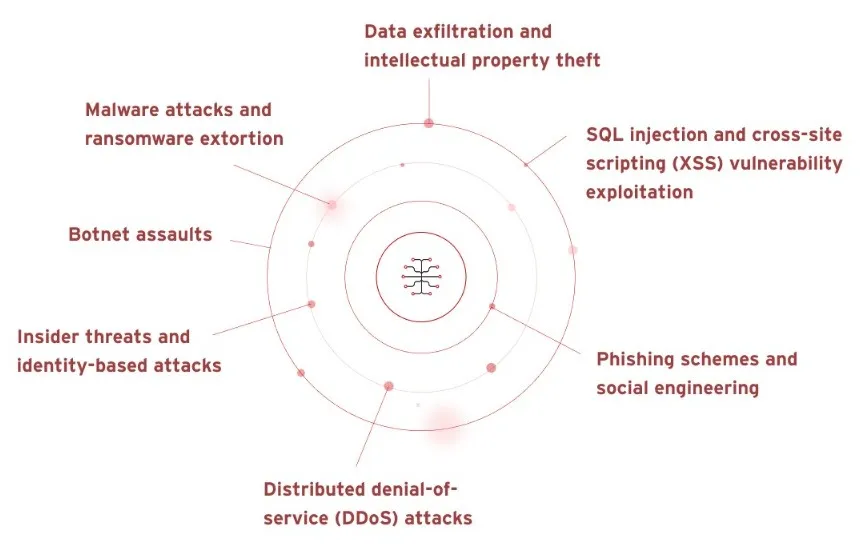
Proactive security focuses on prevention rather than reaction (e.g., encrypting sensitive data).
It is designed to stop threats before they cause damage.
This approach includes:
- Firewalls that block malicious traffic
- DDoS protection that absorbs traffic floods
- Malware scanning that detects hidden threats
- Regular software updates and patching
- Encrypted connections through SSL
SSL encryption is essential for any site handling customer data. Browsers can now warn users about insecure sites. That warning alone can destroy trust.
Proactive security works quietly in the background. Most customers never notice it. But they absolutely notice when it is missing.
A secure website provides customers with reassurance about the safety of their data. That confidence directly influences buying decisions.
A Swiss-army knife for malicious software
Most online stores rely on regular antivirus software, but that’s not always enough to catch every threat model. You also need to protect your e-commerce website against cyber attacks.
Hackers continually devise new methods to infiltrate websites with malicious code. They primarily do this through file uploads—such as customers uploading profile pictures, administrators adding product images, or plugins retrieving data from external sources.
This is where scanning tools that look for specific patterns in files become really useful.
Yet Another Recursive Acronym Rules (YARA Rules) are essentially a method for setting up custom searches for suspicious code. It identifies specific text strings or byte sequences that match known threats. These threats include credit card stealers or scripts that hijack user sessions.
These rules won’t catch everything, as they primarily check files stored on the server rather than monitoring what happens when code is actually executed. However, they add an additional barrier that makes it harder for attackers to succeed.
When shopping around for web hosting or security tools for an online store, you need to know what to ask. Determine if the provider employs pattern-based detection in conjunction with their standard security features (firewalls and vulnerability scans). If they do, then it shows they’re thinking beyond a basic cybersecurity strategy.
Choosing the right hosting type for your website
Different hosting types offer different levels of stability and control. Depending on your site’s requirements, finding the right solution might feel tricky.
Here’s what you should know:
Shared hosting:
- Low-cost, but limited.
- Resources are shared with many other sites.
- Performance can drop during traffic spikes.
VPS hosting:
- Offers better isolation and control.
- Provides dedicated resources within a shared environment.
- Works well for growing e-commerce sites.
Dedicated hosting:
- Gives you an entire server.
- Offers maximum performance and stability.
- Comes at a higher cost.
Cloud hosting:
- It distributes your website across multiple servers.
- Scales automatically and handles sudden traffic increases well.
- Provides the best balance of stability and flexibility.
When evaluating hosting, always look beyond price. When comparing prices of cloud platforms, pay attention to the details. Performance, uptime, and support matter far more in the long run.
Key performance metrics to evaluate hosting providers
Hosting providers all have different services to offer, even though they advertise similar features.
Performance metrics help separate marketing claims from reality.
Important metrics include:
- Uptime: ideally 99.9% or higher
- Server response time: which affects page speed
- Time to First Byte (TTFB): showing how fast servers respond
- Traffic handling capacity: especially during promotions
Independent tools like GTmetrix, Pingdom, and WebPageTest provide real performance data. These tools show how hosting performs under real conditions.
Consistent performance builds trust with customers.
Unpredictable performance drives them away.
Security features every company website needs
Security should be layered. No single tool is enough on its own.
Essential security features include:
- SSL/TLS encryption for all pages
- A Web Application Firewall (WAF)
- DDoS protection
- Automated malware scanning
- Secure login protection with two-factor authentication
- Regular automated backups
Backups are especially important. If something goes wrong, backups allow fast recovery. Without them, downtime can last days instead of minutes.
Strong security protects both customer data and business continuity.
AI security
AI security can quietly protect your store in the background. It identifies suspicious activity early, whether it’s unusual login attempts or fake reviews. This gives you a chance to intervene before it becomes a larger issue.
It also keeps checkout safer, protects your revenue, and lets you focus on growing the business instead of dealing with problems later.
Real-world examples of threats and attacks where proactive security can help
Proactive security prevents issues that could otherwise escalate quickly.
Here are some real attack examples from Radware:
- In one case, around 31 million user accounts were exposed in an Internet Archive security breach.
- In another instance, Microsoft Azure suffered a massive DDoS attack, the largest ever recorded. It reached a peak of 3.47 terabits per second (Tbps).
Routine malware scans often uncover hidden code before it can spread or cause visible damage. Removing threats early prevents costly cleanup later.
These protections work silently, but their impact is enormous.
Balancing cost with hosting stability and proactive security
Cost always matters, but cheap hosting often creates hidden expenses like. Downtime, slow performance, and security incidents cost far more than monthly hosting fees.
Low-cost providers often lack:
- Strong uptime guarantees
- Advanced security features
- Responsive technical support
Investing slightly more usually delivers better reliability and protection. That investment pays for itself through fewer issues and higher customer confidence.
The goal is not to overspend.
The goal is to spend wisely.
Why support quality matters more than you think
Hosting issues rarely happen at convenient times. When problems arise, support quality becomes critical.
Good hosting providers offer:
- 24/7 technical support
- Multiple contact options
- Fast response times
- Security assistance
Strong support reduces downtime and stress. It ensures problems are fixed quickly before customers are affected.
A hosting provider should feel like a partner, not just a service.
Monitoring and alerts keep you ahead of problems
Even the best hosting needs monitoring. Detecting issues early on will help prevent small problems from becoming big ones.
Monitoring tools alert you when:
- Your site goes offline
- Performance slows
- Traffic patterns look suspicious
Services like UptimeRobot and Pingdom send real-time alerts. This allows immediate action and faster recovery.
Monitoring adds another layer of stability and proactive security to hosting.
A simple checklist before choosing a hosting
Before you decide which provider you’ll go with, ask these questions:
- What uptime do you guarantee?
- What security features are included by default?
- Are backups automatic and frequent?
- How scalable is the hosting plan?
- What level of support is provided?
Clear answers indicate a reliable provider.
Vague answers are a warning sign.
How hosting stability and proactive security protect brand trust
Brand trust is fragile.
It takes time to build and seconds to lose.
When a website is slow, unavailable, or flagged as insecure, customers immediately question credibility. They may not analyze the cause, but they feel the risk.
Stable hosting prevents embarrassing outages during key moments. Security warnings never appear in the browser. Checkout flows remain smooth and uninterrupted.
All of this reinforces a sense of professionalism. Customers feel safe entering personal and payment information. They feel confident completing purchases.
Trust is not created by design alone. It is reinforced by reliability and protection, working quietly in the background.
This is why hosting stability and proactive security are not just technical safeguards; they are essential for maintaining a secure environment.
They are brand protection tools that influence perception, loyalty, and long-term growth.
Final thoughts
Your website’s foundation determines how well everything else performs. Choosing the right hosting stability and proactive security setup protects your revenue, reputation, and customers.
- Stable hosting keeps your site fast and available
- Proactive security keeps threats out and trust intact
Together, they form a defensive stack that supports long-term growth and stability.
This is not just a technical decision. It is a business decision. Securing your digital infrastructure is foundational to executing successful B2B business ideas, as clients demand reliability and data protection above all else.
When your website is reliable and secure, customers feel confident.
Confidence leads to action, and action leads to results.
Author bio:

Nikola Pantic is a Partnerships Manager at uSERP, connecting with partners and nurturing those partnerships through mutual collaboration, and a seasonal writer who helps shape various industries through the written word.


Leave a Reply