
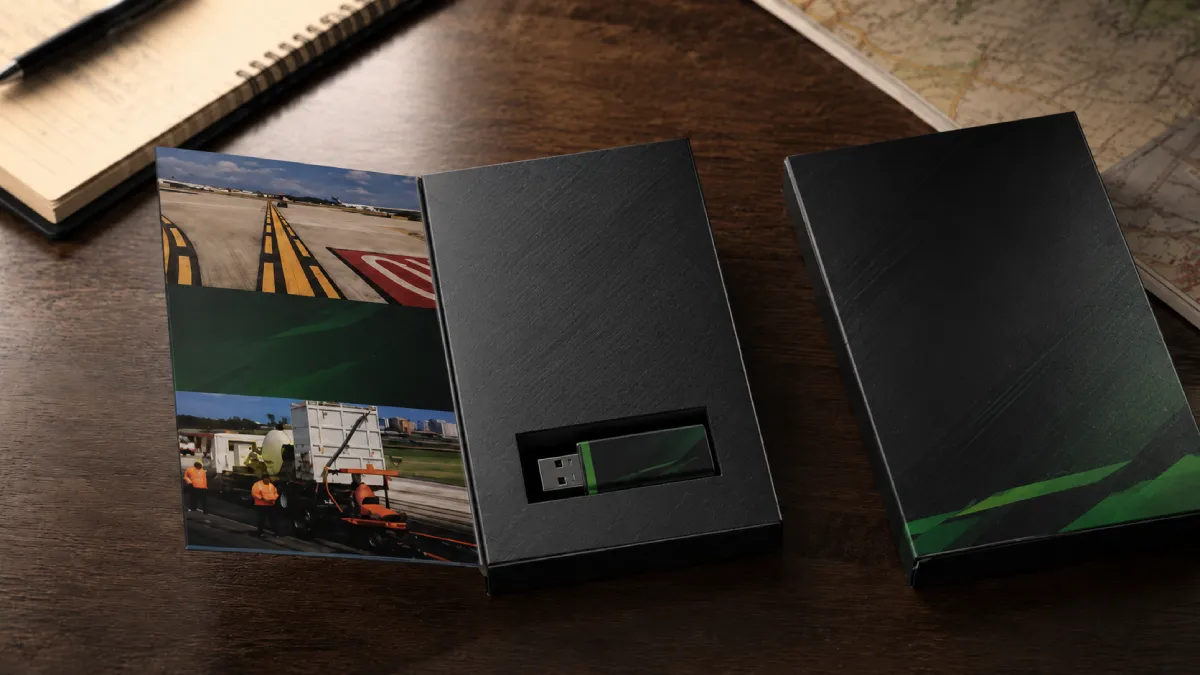
The Power of Promotional Boxes in Modern Brand Promotion
Digital campaigns are easy to launch, easy to measure, and easy for customers to ignore. That is why more brands are rethinking the role of physical presentation in their marketing mix. When used with a clear purpose, promotional boxes can turn a sample, gift, invitation, or sales message into a more deliberate brand experience.
The value is not just in the box itself. It is in what the format signals. A well-planned package tells the recipient that the message was worth preparing, protecting, and presenting. That matters in brand promotion, especially when the audience is selective, busy, or already exposed to dozens of digital messages a day.
Why Physical Presentation Still Matters
A brand does not need a large package for every campaign. Many promotions work perfectly well as email, paid social, postcards, or simple inserts. But when the goal is to make someone pause, open, touch, and consider an offer, physical presentation can do something digital channels cannot fully replicate.
A box creates a sequence. The recipient notices it, opens it, discovers the contents, and decides what to do next. That small amount of interaction gives marketers more room to shape the experience. A product sample can feel more premium. A sales kit can feel more intentional. A thank-you gift can feel less transactional. This is especially useful when the promotion is tied to a high-value audience.
What Makes a Boxed Promotion Different
The key difference is context. Standard packaging is usually designed to move an item from one place to another. A branded promotional box is designed to present an item in a way that supports a message.
That distinction changes the planning process. The marketer has to think about the item, the unboxing path, the printed design, the call to action, and the follow-up. A box used for a product launch might need space for a sample and a small information card. A B2B sales campaign might need a premium insert, a QR code, and a follow-up email timed after delivery.
The format should never be decorative only. If the box looks impressive but the contents feel random, the campaign can feel wasteful. The best boxed promotions have a clear reason for being physical.
When the Format Is Worth the Investment
The strongest use cases are usually targeted, not mass-market. A boxed format makes more sense when the recipient value is high enough to justify the added production, assembly, and postage.
Good-fit campaigns include product samples, account-based marketing, client gifting, trade show follow-up, new customer onboarding, loyalty programs, press kits, influencer mailers, and premium event invitations. In each case, the box supports a moment where presentation affects perception.
The common thread is relevance. The box should help the recipient understand the offer faster and value it more clearly.
Choosing the Right Box for the Campaign
The right format starts with the contents. Size, depth, weight, fragility, and presentation all matter. A small premium item needs a different structure than printed collateral. A USB drive, sample vial, booklet, or gift card should not rattle around loosely.
The audience also matters. A playful consumer campaign can use color and surprise. A B2B sales campaign may need a cleaner, more professional look. A luxury campaign should probably avoid clutter and let materials, spacing, and finish carry the impression.
Budget should be considered early. The unit cost is only one part of the decision. Marketers also need to account for design, printing, inserts, assembly, fulfillment, postage, list quality, and follow-up. The United States Postal Service explains that parcel size, weight, and dimensional weight can affect shipping costs, so physical size should be part of the planning process from the start.
Design Choices That Improve Perceived Value
Strong design does not always mean complex design. In many cases, restraint creates a better impression than covering every surface with copy.
A good promotional box should answer three questions quickly:
- Who is this from?
- Why am I receiving it?
- What should I do next?
That does not require heavy wording. It can be handled through brand color, product placement, a concise insert, and a clear action path. The printed design should support the contents, not compete with them. If the box includes a sample, the sample should be easy to find. If it includes a code or landing page, that next step should be obvious.
Marketers should also consider how the package will look when photographed, shared internally, or placed on a desk. A tidy, professional design has a longer useful life than one that feels like a one-time gimmick.
Connecting the Box to Measurable Action
A boxed campaign should not end when the package is opened. It should connect to a measurable next step.
That might be a QR code, personalized URL, booking link, offer code, event registration page, or sales follow-up workflow. Google’s Campaign URL Builder allows marketers to add campaign parameters to URLs, which can help teams measure traffic from custom links, QR codes, and campaign landing pages.
Measurement does not have to be complicated, but it does need to be planned before production. If every package sends recipients to the same generic homepage, attribution becomes difficult. If each campaign has a dedicated landing page, QR code, offer code, or booking link, the team can better understand response, interest, and conversion.
Industry benchmark reports, such as the ANA Response Rate Report, can provide useful context for direct marketing performance. Still, campaign teams should be careful not to assume that broad direct mail benchmarks automatically predict the results of one specific boxed promotion.
When a Simpler Format Is Better
A boxed promotion is not always the right choice. If the campaign goal is broad awareness at the lowest possible cost, email, social advertising, postcards, or lightweight mailers may be more practical. If the timeline is short, a custom package may add unnecessary pressure. If the contents are not meaningful, a premium box may make the campaign feel overproduced.
There is also a sustainability and waste consideration. Brands should avoid oversized packaging or unnecessary fillers, and any environmental claims should be handled carefully. The Federal Trade Commission’s Green Guides are designed to help marketers avoid environmental claims that could mislead consumers.
The best decision is not “box or no box.” It is whether the format adds enough value to the recipient experience to justify its cost and complexity.
Conclusion: Use the Box to Strengthen the Message
Boxed brand promotion works best when it is treated as a strategic format, not a novelty. The box should protect the contents, present them clearly, support the brand’s positioning, and guide the recipient toward a next step.
For marketers, the power of this approach lies in intention. A well-designed package can make a sample feel more valuable, a gift feel more personal, and a sales message feel less disposable. But the format needs discipline. It should be targeted, relevant, well-sized, easy to open, and tied to measurable follow-up.
Used that way, a boxed promotion is more than packaging. It becomes a physical expression of the brand’s judgment, this audience matters, this message matters, and the experience was planned with care.


Leave a Reply