
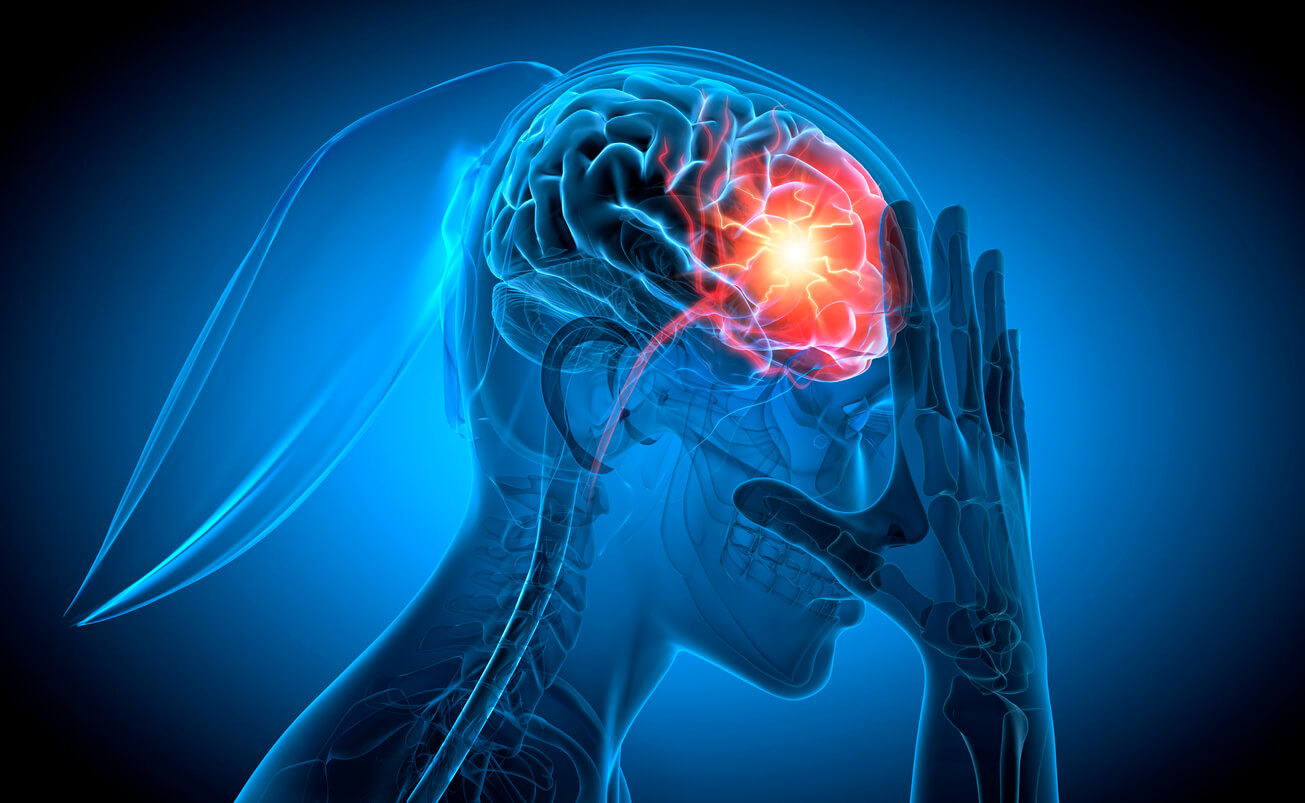
Traumatic Brain Injuries in Rideshare Accidents: Warning Signs Passengers Miss
Rideshare accidents often feel less dangerous than high speed highway crashes, especially when they happen in city traffic or during routine trips. Unfortunately, traumatic brain injuries are one of the most commonly overlooked injuries in these collisions. A knowledgeable Uber accident lawyer near me regularly sees passengers who walk away from crashes believing they are fine, only to develop serious neurological symptoms days or weeks later.
Traumatic brain injuries, often called TBIs, can occur even when there is no direct blow to the head. The sudden force of a rideshare collision can cause the brain to shift inside the skull, disrupting normal function. Recognizing early warning signs is critical for both medical recovery and protecting your legal claim.
Why Rideshare Accidents Frequently Cause Brain Injuries
Passengers in Uber vehicles often sit in the back seat, sometimes without anticipating sudden impact. During a crash, the body may be thrown forward, sideways, or backward, causing the head to snap rapidly. This movement alone can create a brain injury without visible trauma.
Unlike drivers, passengers have little ability to brace for impact. This makes them especially vulnerable to concussions and more severe traumatic brain injuries, even in collisions that appear minor on the surface.
Subtle Headaches That Victims Ignore
Headaches are one of the earliest signs of a traumatic brain injury, but they are also one of the most commonly dismissed symptoms. Many rideshare passengers assume headaches are caused by stress or muscle strain after a crash.
Persistent headaches, pressure in the head, or headaches that worsen over time should never be ignored. These symptoms often signal neurological trauma rather than simple tension or soreness.
Memory Problems and Mental Fog
Passengers frequently overlook cognitive symptoms after rideshare accidents. Difficulty remembering conversations, forgetting appointments, losing track of time, or struggling to concentrate are common warning signs of brain injury.
These symptoms may not appear immediately. Many victims notice them only when returning to work or daily responsibilities. Because these changes develop gradually, they are often underestimated or blamed on stress.
Mood and Personality Changes
Emotional symptoms are among the most misunderstood signs of traumatic brain injuries. Irritability, anxiety, depression, sudden mood swings, or feeling unusually emotional can all indicate neurological damage.
Family members often notice these changes before the injured person does. Emotional symptoms can significantly impact relationships, employment, and overall quality of life, making them legally and medically significant.
Dizziness, Balance Problems, and Vision Issues
Traumatic brain injuries frequently affect coordination and sensory processing. Passengers may experience dizziness, blurred vision, sensitivity to light, ringing in the ears, or balance problems.
These symptoms can increase the risk of additional injuries and often indicate damage to areas of the brain responsible for spatial awareness and sensory control.
Sleep Changes That Signal Brain Trauma
Sleep disturbances are another overlooked symptom of TBIs. Some passengers begin sleeping far more than usual, while others develop insomnia or chronic fatigue. Difficulty staying awake during normal activities is also common.
Sleep disruption slows recovery and often intensifies other neurological symptoms. Doctors frequently rely on sleep complaints to help diagnose traumatic brain injuries.
Delayed Symptoms Are Extremely Common
One of the biggest dangers with traumatic brain injuries is delayed onset. Adrenaline and shock immediately after a rideshare accident can mask symptoms for hours or days.
Insurance companies often argue that delayed symptoms are unrelated to the crash. Early medical evaluation and consistent documentation are essential to linking brain injuries to the accident.
Why TBIs Are Often Undervalued in Insurance Claims
Traumatic brain injuries do not always appear on imaging tests like CT scans or MRIs. Insurance companies sometimes use this to argue that injuries are minor or nonexistent.
Medical specialists diagnose TBIs based on symptoms, neurological testing, and patient history. Thorough documentation and specialist referrals are often necessary to demonstrate the full impact of the injury.
How Brain Injuries Affect Long Term Recovery and Compensation
Traumatic brain injuries can impact memory, concentration, mood stability, and work performance. Even mild TBIs can interfere with career advancement, daily independence, and personal relationships.
California law allows victims to seek compensation for medical costs, lost income, future treatment, and pain and suffering caused by brain injuries. However, these damages must be properly documented and supported by medical evidence.
Why an Uber Accident Lawyer Near Me Is Critical in TBI Cases
Traumatic brain injury claims require careful medical coordination and detailed legal strategy. An uber accident lawyer near me helps connect victims with appropriate specialists, preserve medical documentation, and prevent insurance companies from minimizing neurological injuries.
At Bojat Law Group, we represent rideshare passengers who suffered traumatic brain injuries that were initially overlooked or misunderstood. We focus on building strong medical evidence, working with neurological experts, and pursuing compensation that reflects the long term impact of brain trauma.
If you were injured as a passenger in an Uber accident and are experiencing headaches, memory problems, dizziness, or mood changes, call (818) 877-4878 for a free consultation. We are available 24/7, and you pay nothing unless we recover compensation for you.


Leave a Reply