
Volunteer in Cusco: Discover Community Service in the Heart of Peru
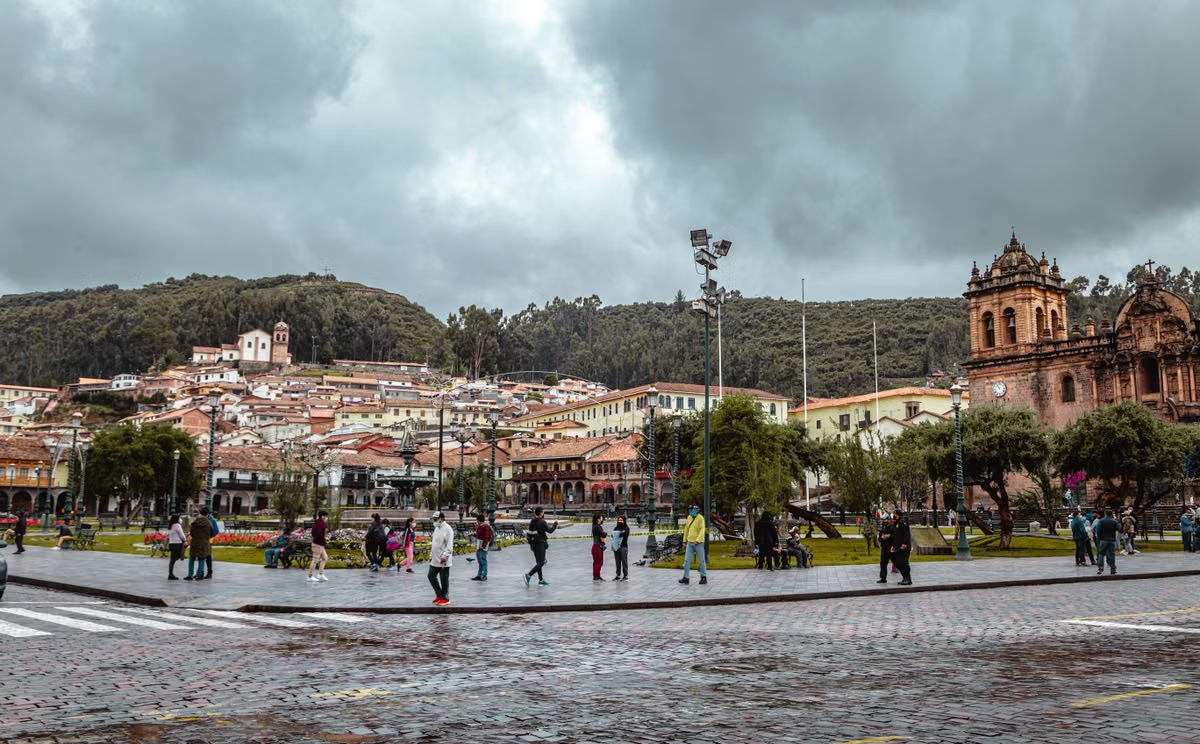
Cusco, Peru, sits at over 11,000 feet above sea level, surrounded by ancient Incan ruins and cloud-draped mountains. For centuries, this city has been a crossroads of culture, history, and human connection. Today, it draws not only travelers seeking adventure but also those who want to give something back. If you’re looking for a meaningful way to spend your time abroad, volunteer in Cusco offers one of the most rewarding experiences available anywhere in South America.
The city and its surrounding communities face real challenges—limited access to quality education, healthcare disparities, and economic inequality that disproportionately affects indigenous populations. Yet the spirit of the people is extraordinary. Local organizations, both grassroots and internationally supported, are working tirelessly to address these issues. Volunteers from around the world play a vital role in this ongoing effort, filling gaps that local resources alone cannot always cover.
This article walks you through everything you need to know about volunteering in Cusco—from the types of programs available to the genuine impact you can make on the ground.
Why Cusco Is a Compelling Destination for Volunteer Work
Cusco is more than a gateway to Machu Picchu. The city is the cultural capital of the Peruvian highlands, home to a predominantly Quechua-speaking population with deep ancestral roots. According to the World Bank, approximately 20% of Peru’s population lives in poverty, with rural highland communities—many surrounding Cusco—among the most affected regions in the country.
This economic reality creates a significant need for skilled and compassionate volunteers. At the same time, Cusco’s well-developed infrastructure for international visitors makes it relatively accessible. There are established volunteer placement organizations, affordable accommodation options, and a strong local network of NGOs actively welcoming outside support.
Volunteering here is also an opportunity for genuine cross-cultural exchange. You won’t simply be parachuting into a community for a photo opportunity. Serious programs in Cusco are structured to create lasting benefit—for both the communities being served and the volunteers themselves.
What Types of Volunteer Programs Are Available in Cusco?
Education and Youth Development
Teaching programs are among the most popular options for volunteers in Cusco. Many local schools, especially in rural areas and urban outskirts, lack sufficient qualified teachers. Volunteers with backgrounds in English, mathematics, or science can make a direct contribution in the classroom.
Beyond formal teaching, there are programs focused on after-school tutoring, literacy development, and vocational training for young people who have left the school system early. These initiatives target children and teenagers who might otherwise have limited access to structured learning environments.
Healthcare and Community Medicine
Healthcare volunteering in Cusco typically involves working alongside local medical professionals in clinics or community health centers. Roles vary depending on your qualifications. Medical students and trained practitioners may assist with consultations, health screenings, and community outreach campaigns. Those without clinical backgrounds can contribute to health education programs, promoting hygiene, nutrition, and maternal health awareness.
According to Peru’s Ministry of Health, rural communities in the Cusco region have significantly lower rates of access to primary healthcare compared to urban centers. Volunteer medical teams help bridge that gap in tangible ways.
Childcare and Orphanage Support
Several organizations in Cusco run care centers and shelters for vulnerable children—those who have been orphaned, abandoned, or come from households experiencing severe hardship. Volunteers in these programs provide supervision, emotional support, educational activities, and general caregiving.
It is worth noting that ethical volunteering organizations in this space prioritize child welfare above all else. Reputable programs will have strict safeguarding policies and will not allow short-term volunteers to take on primary caregiving roles that could be destabilizing for children who have already experienced trauma.
Environmental Conservation
The Cusco region includes portions of the Amazon basin and some of Peru’s most ecologically important ecosystems. Environmental volunteering programs focus on reforestation, sustainable agriculture, wildlife protection, and environmental education in local communities.
These programs are particularly relevant given Peru’s ongoing challenges with deforestation. According to Global Forest Watch, Peru lost approximately 148,000 hectares of humid primary forest in 2022 alone. Volunteers contribute to hands-on conservation efforts while learning about the intersection of ecology and indigenous land stewardship.
Women’s Empowerment and Skills Training
Several organizations in Cusco run programs specifically designed to support women from marginalized communities. These initiatives may include microfinance education, artisan craft development, literacy classes, and training in small business management. Volunteers with backgrounds in business, education, or community development can offer particularly valuable support in these settings.
How to Choose a Reputable Volunteer Organization in Cusco
Not all volunteer programs are created equal. The growth of volunteer tourism has unfortunately given rise to programs more focused on generating revenue than creating genuine community benefit. Choosing the right organization matters enormously.
Here are several criteria worth evaluating before committing:
Program duration and structure. Short-term placements of just a few days offer limited value to communities. Look for programs that require a minimum commitment of two to four weeks, which allows volunteers to build meaningful relationships and actually contribute to ongoing work.
Community involvement in program design. Ethical organizations develop their programs in direct collaboration with local communities. Ask whether local leaders and beneficiaries have shaped the program’s goals and methods.
Transparency about fees. Many legitimate volunteer programs charge placement fees that cover accommodation, training, and operational costs. Organizations should clearly explain where these fees go and what percentage supports community projects directly.
Volunteer preparation and training. Reputable programs provide orientation upon arrival, cultural sensitivity training, and ongoing supervision. Volunteers should never be placed in situations beyond their skill level without appropriate support.
Child protection policies. Any program involving minors should have documented safeguarding policies, background check requirements, and strict protocols for volunteer conduct.
What to Expect During Your Time in Cusco
Arriving in Cusco requires some physical adjustment. Altitude sickness—known locally as soroche—affects many visitors during their first few days. Most volunteers acclimate within a week. Staying well-hydrated, avoiding alcohol during the initial period, and resting adequately all help ease the transition.
Day-to-day life as a volunteer in Cusco is structured but rich. Mornings are typically spent at your placement site, working directly with the community or organization. Afternoons may include Spanish language classes—offered by many volunteer programs—cultural excursions, or independent exploration of the city.
Cusco itself is a remarkable place to spend several weeks. The city’s historic center, a UNESCO World Heritage Site, blends Incan stonework with Spanish colonial architecture in a way found nowhere else on earth. Weekend trips to the Sacred Valley, Machu Picchu, and surrounding Andean villages are entirely feasible for volunteers with time off.
The Real Impact of Volunteering in Cusco
Measuring the impact of volunteer programs can be complicated. Short-term visits do not transform systemic inequalities overnight. But sustained, well-designed volunteer contributions do make a difference—in classrooms, clinics, care centers, and conservation sites across the region.
More importantly, the exchange runs both ways. Volunteers who approach their placements with humility and genuine curiosity consistently report that the experience reshapes their worldview in profound ways. They return home with a deeper understanding of global inequality, a stronger appreciation for resilience, and a lasting connection to a community they helped serve.
Making the Most of Your Volunteer Experience in Cusco
A few practical steps will help ensure your placement is as valuable as possible. Learn basic Spanish before you arrive—even a modest level of proficiency will dramatically improve your ability to connect with community members. Research your organization thoroughly before committing. Set realistic expectations about what you can contribute in the time you have available.
And perhaps most critically, approach the experience as a learner as much as a helper. The communities of Cusco have survived conquest, colonization, and generations of hardship. They have wisdom, culture, and strength in abundance. The most effective volunteers recognize that, and they listen as much as they act.
Frequently Asked Questions About Volunteering in Cusco
Do I need to speak Spanish to volunteer in Cusco?
Basic Spanish is highly recommended and will significantly improve your day-to-day experience. Many organizations offer on-site Spanish classes as part of their volunteer package. Some programs—particularly those focused on English language teaching—can function with English alone, but fluency in Spanish opens far more doors.
How long should I plan to volunteer in Cusco?
A minimum of two to four weeks is generally recommended for meaningful contribution. Longer placements of one to three months allow volunteers to build deeper relationships and take on more substantive project work.
Is volunteering in Cusco safe?
Cusco is considered one of Peru’s safer cities for international visitors. As with any destination abroad, standard precautions apply—stay aware of your surroundings, secure your valuables, and follow the guidance of your placement organization. Most reputable volunteer programs provide safety briefings and emergency contact support.
What is the best time of year to volunteer in Cusco?
The dry season, running from May through October, is the most comfortable period weather-wise. However, volunteers are welcomed year-round, and the rainy season (November through April) presents its own beauty and unique opportunities, particularly for environmental and agricultural projects.
Are volunteer programs in Cusco expensive?
Costs vary widely depending on the organization and program type. Placement fees typically range from a few hundred to several thousand dollars for longer programs, covering accommodation, meals, training, and support services. Research thoroughly and ensure you understand exactly what your fees fund before committing.


Leave a Reply