
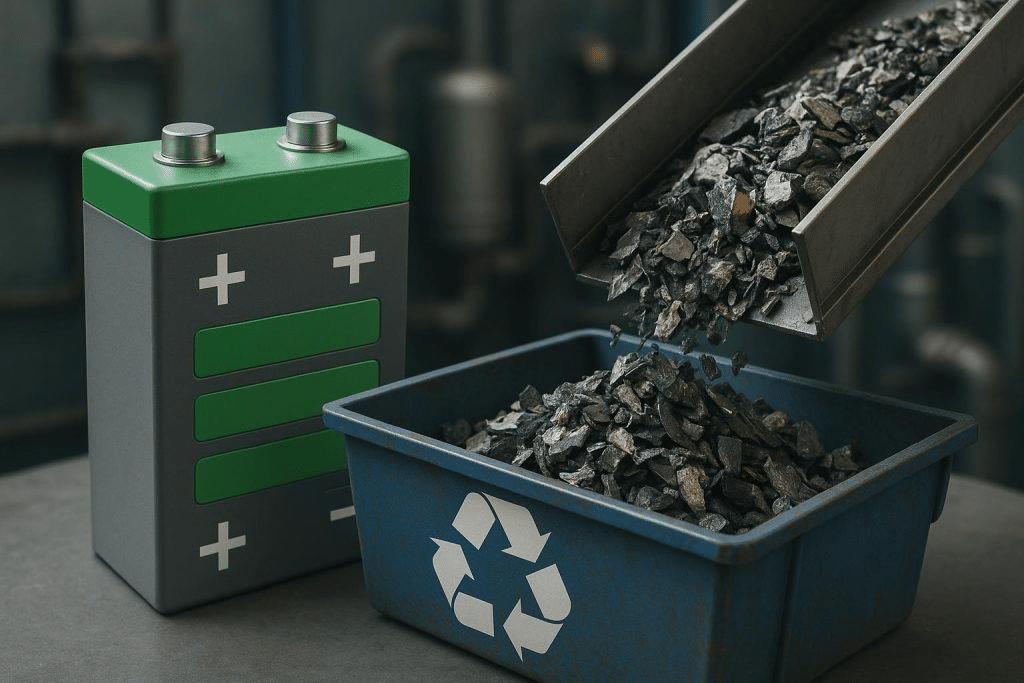
What Are LFP Batteries and Why Should They Be Properly Recycled?
LFP batteries are a type of rechargeable lithium-ion battery made with lithium iron phosphate as the cathode material. The letters “LFP” come from the chemical formula LiFePO4. These batteries have become increasingly common in electric vehicles, solar energy storage systems, forklifts, backup power equipment, recreational vehicles, and many other commercial applications.
What Makes LFP Batteries Different?
Unlike some lithium-ion batteries that use nickel or cobalt in the cathode, LFP batteries primarily rely on lithium, iron, and phosphate. This chemistry is known for its thermal stability, long cycle life, and ability to handle repeated charging and discharging.
LFP batteries generally store less energy for their weight than certain nickel-based lithium-ion chemistries. However, their durability and stable performance make them a practical choice for applications where long service life, safety, and reliability are especially important.
An LFP battery can appear as a single cell, a small portable pack, or a large battery module containing many connected cells. Larger systems may also include wiring, metal housings, cooling components, sensors, and a battery management system that monitors temperature, voltage, and charging.
Where Are LFP Batteries Used?
LFP batteries are widely used in electric vehicles, buses, delivery fleets, solar installations, battery energy storage systems, telecommunications equipment, forklifts, marine applications, and uninterruptible power supplies. Smaller LFP batteries may also be found in portable power stations, mobility equipment, tools, and recreational products.
As more businesses adopt electric equipment and renewable energy systems, the number of LFP batteries reaching the end of their useful life will continue to grow.
Why Should LFP Batteries Be Recycled?
An old LFP battery still contains materials that required energy and resources to produce. Depending on its design, the battery may include lithium-bearing material, copper, aluminum, steel, graphite, plastics, electronic components, and other recoverable materials. Proper recycling helps keep these resources in circulation and reduces unnecessary waste.
Although LFP batteries do not contain the same concentrations of nickel and cobalt found in some other lithium-ion batteries, that does not mean they should be placed in the trash. Their size, stored energy, internal components, and chemical materials make specialized handling important.
LFP battery recycling also supports a more circular battery supply chain. Recovered materials may be processed for use in new manufacturing applications, reducing the need to rely entirely on newly extracted resources.
Handling Used LFP Batteries Safely
Businesses should identify LFP batteries separately from other battery chemistries and keep accurate records of their quantity and condition. Exposed terminals should be protected, and batteries should be stored in a dry, controlled area away from heat and physical damage.
Swollen, leaking, crushed, punctured, or overheated batteries require additional attention and should be isolated from intact units. Employees should never attempt to open, crush, or dismantle an LFP battery without the proper equipment and training.
LFP batteries offer a durable and dependable way to store energy, but their lifecycle should not end in an ordinary waste container. Proper recycling helps recover useful materials, supports safer battery management, and gives businesses a responsible way to handle equipment that has reached the end of its service life.


Leave a Reply