
What Makes a Professional Business Website Stand Out
Most business websites look the part without doing the job. The design is clean, the branding is consistent, and the about page exists—but visitors leave without converting, without remembering the business, and often without understanding what the company does.
The gap between a website that looks professional and one that performs like one is wider than most businesses realize.
The First Impression Problem
Visitors decide within seconds whether to stay on a page. That decision isn’t made by reading—it’s made by seeing. Layout, visual hierarchy, load speed, and the quality of the first element a visitor encounters all determine whether someone reads further or leaves.
A website that doesn’t communicate its core value proposition clearly in the above-the-fold section is already losing a significant portion of the people who find it.
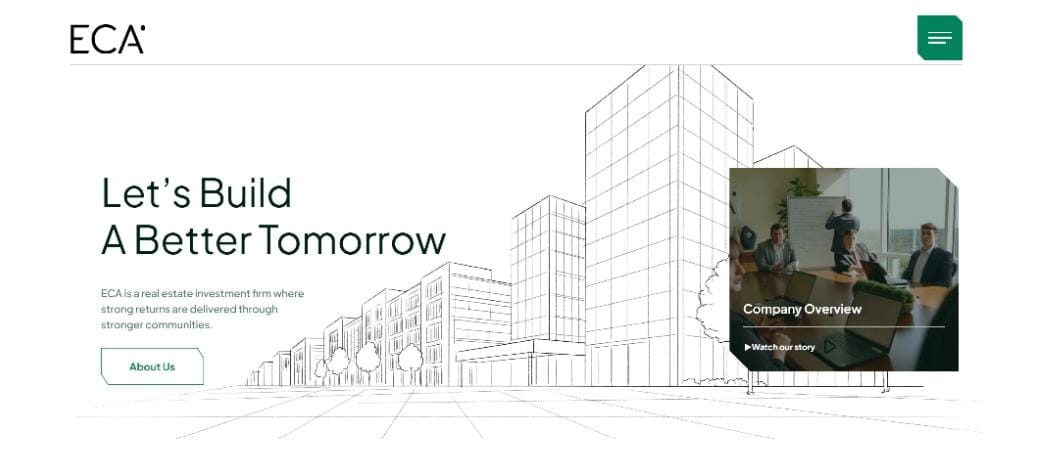
Firms like Emerald City Associates understand this—a professional web presence isn’t just about looking credible; it’s about communicating clearly what the business does and why it matters, fast enough to keep the visitor’s attention before they decide to move on.
The visual elements that most affect first impressions:
- Typography choices—font pairing, weight, and sizing signal professionalism before a single word is read; inconsistent or amateur type undermines credibility instantly
- Whitespace and layout density—cluttered pages feel untrustworthy; generous spacing allows the eye to rest and guides attention deliberately
- Hero section clarity—the headline and subheadline above the fold should answer who you are, what you do, and who you do it for in under ten seconds
- Image quality—stock photos that look generic or images that don’t match the brand voice erode the professional impression that good design creates
Structure and Navigation
A professionally built business website has clear information architecture. Visitors should never have to guess where to find what they need. Navigation should reflect how potential customers think about the business, not how the internal team describes it internally
The most common structural failure is organizing a website around what the company wants to say rather than what visitors are looking for. A services page that lists every offering in internal language rather than customer language creates friction.
A contact page buried three levels deep reduces inquiry volume. An about section that reads like a press release instead of a human story misses the trust-building opportunity that page exists to create.
Page load speed is part of the structure too. A technically well-built website that loads in under two seconds outperforms an identical design that loads in four—not just in search rankings but in user behavior. Visitors don’t wait. They leave, and they often don’t come back.
Content That Builds Trust
Design gets visitors’ attention. Content determines whether they stay and act. The businesses whose websites convert well tend to share a few things on the content side.
Specificity over vagueness is the most consistent differentiator. A business that says “we help companies grow” is saying nothing.
A business that says “we work with mid-size logistics companies to reduce operational costs by identifying process inefficiencies” is saying something a specific buyer recognizes themselves in. The more specifically a website speaks to its ideal client, the more effectively it converts.
Social proof matters more than most businesses actually invest in. Client testimonials, case study summaries, logos of companies served, and quantified results all reduce the skepticism a new visitor brings. A website without evidence of past work or satisfied clients asks visitors to take too large a leap of faith.
Content elements that consistently improve website performance:
- Specific service descriptions – written from the client’s perspective, addressing the problem being solved rather than the service being delivered
- Case studies or results – even brief examples of what you’ve done for others, with measurable outcomes where possible
- Clear calls to action—every page should have one primary action you want the visitor to take, with a button or form that makes taking it easy
- Team or founder content—real people, real photographs, and real backgrounds build the human connection that converts browsers into inquiries
SEO and Discoverability
Source
A professional business website that no one finds isn’t doing much work. Here’s the rewrite:
Search visibility doesn’t happen by accident. Keyword research that reflects how potential clients actually search, content built around those queries, and a technically sound site that search engines can crawl and index—these are the foundations, and they require deliberate work.
For service businesses with a geographic footprint, local SEO deserves its own attention. A well-maintained Google Business Profile, location-specific pages, and consistent contact information across the web all affect whether you show up when someone nearby is looking for what you offer.
The businesses that get the most from their websites treat them like a product, not a project. That means tracking how visitors behave—which pages they leave quickly, which ones lead to inquiries, and where they get stuck—and making changes based on what the data shows.
A website that’s never updated, never measured, and never improved tends to quietly stop working. One that gets regular attention compounds over time.


Leave a Reply