

Why Consistency in Oral Hygiene Matters More Than Occasional Fixes
Many people approach oral care reactively. A new routine starts after bleeding gums appear, discomfort sets in, or a dental visit raises concern. While these short bursts of attention can help temporarily, they rarely address the root of the problem. Long-term oral health depends far less on occasional fixes and far more on what happens every single day. That’s why discussions about preventive care often mention everyday choices, from brushing habits to selecting the best mouthwash for gum disease, as part of a consistent routine rather than a last-minute solution.
Consistency doesn’t sound exciting, but in oral hygiene, it’s the single most important factor in protecting gums, teeth, and overall wellness.
Oral Health Is Shaped Daily, Not Occasionally
Plaque doesn’t build up overnight. It forms continuously as bacteria interact with food particles and saliva. When plaque isn’t disrupted regularly, it hardens and irritates the gums, leading to inflammation that worsens over time.
Occasional fixes, such as aggressive brushing for a few days or using a product only when symptoms flare up, can’t reverse this ongoing process. Oral health responds best to steady, repeated actions that prevent problems from developing in the first place. Daily brushing, flossing, and supportive hygiene habits interrupt plaque buildup before it becomes harmful.
This is why consistency matters more than intensity. Gentle, regular care outperforms sporadic effort every time.
Why Reactive Care Often Falls Short
Reactive oral care usually starts when discomfort becomes noticeable. At that point, inflammation has often been present for some time. While symptoms may improve briefly with increased attention, the underlying pattern remains unchanged if daily habits aren’t sustained.
This cycle can be frustrating. People feel like they’re “doing everything right,” yet problems keep returning. The issue isn’t effort, but timing. Addressing oral health only when something goes wrong allows bacteria and inflammation to regain a foothold once the extra effort fades.
Preventive routines break this cycle by maintaining a stable oral environment every day, not just during flare-ups.
Gum Health Depends on Repetition
Gums are particularly sensitive to inconsistency. Skipping even a few days of proper care can allow inflammation to return, especially in people prone to gum issues. Bleeding, tenderness, or swelling often reappear quickly when routines lapse.
Consistent oral hygiene keeps the gum line cleaner and less reactive. Over time, this steadiness allows gum tissue to heal and strengthens its resistance to irritation. The benefits accumulate gradually, which is why they’re easy to overlook, but they are also why consistency is so effective.
In contrast, occasional fixes rarely last long enough to create lasting change.
Small Daily Habits Reduce Inflammation
Chronic inflammation is at the heart of most gum problems. The goal of daily oral care is not just cleanliness, but inflammation control. Regular plaque removal limits the immune response in the gums, preventing low-grade inflammation from becoming persistent.
When oral hygiene is inconsistent, the immune system must repeatedly respond to bacterial irritation. This constant activation can weaken gum tissue over time and contribute to more widespread inflammatory stress in the body.
According to the UK’s National Health Service, maintaining consistent oral hygiene habits is essential for preventing gum disease and reducing inflammation before it progresses into more serious conditions. This reinforces the importance of routine care over intermittent treatment.
Consistency Builds Simplicity
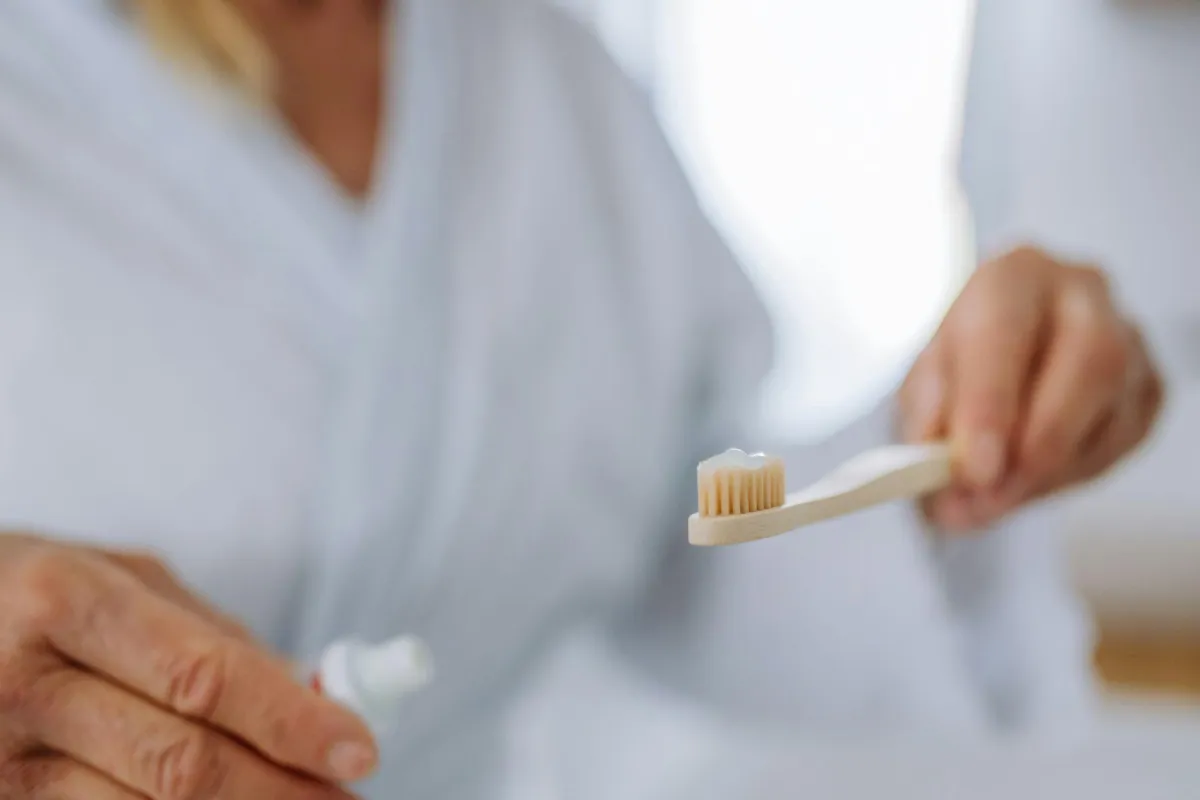
One overlooked benefit of consistent oral hygiene is how simple it becomes. When routines are established, oral care requires less mental effort. There’s no guessing, no urgency, and no need for drastic measures.
Occasional fixes often feel stressful because they’re driven by concern or discomfort. Consistent habits, on the other hand, feel neutral and manageable. This ease increases the likelihood that routines will be maintained long term.
Simplicity is a powerful driver of consistency, and consistency is what keeps oral health stable.
The Cost of “Catching Up”
Trying to catch up on oral care after neglect often leads to overly aggressive brushing or excessive product use, which can irritate gums further. This approach can cause sensitivity or even damage enamel and gum tissue.
Daily care avoids this problem by keeping plaque levels low enough that gentle cleaning is sufficient. There’s no need to overcompensate because nothing has been allowed to spiral out of control.
In oral hygiene, slow and steady truly wins.
Oral Hygiene as Preventive Health
Modern wellness increasingly emphasizes prevention over treatment. Oral hygiene fits perfectly into this philosophy. Consistent care reduces the likelihood of gum disease, tooth decay, and the need for invasive dental procedures later on.
Preventive habits also support overall health. Chronic gum inflammation has been linked to broader inflammatory stress in the body, making oral care relevant beyond the mouth. By maintaining consistent routines, people support not just their smiles, but their long-term well-being.
Prevention works best when it’s boring, reliable, and repeated daily.
Building a Routine That Lasts
The most effective oral hygiene routine is one that fits easily into daily life. It doesn’t rely on motivation spikes or fear of problems. Instead, it becomes as automatic as washing your hands or tying your shoes.
Consistency comes from choosing habits that are realistic and repeatable. Once established, these habits protect oral health quietly and continuously, without requiring constant attention.
Over time, the results speak for themselves: healthier gums, fewer issues, and less stress around oral care.
Why Consistency Always Wins
Occasional fixes may offer temporary relief, but they can’t compete with the cumulative power of daily habits. Oral health is built through repetition, not reaction. Each day of consistent care reinforces the last, creating stability that occasional effort can’t match.
By prioritizing consistency over quick fixes, people give their gums the environment they need to stay healthy long term. In oral hygiene, what you do every day matters far more than what you do once in a while.


Leave a Reply