
Why Every Restaurant Delivery App Still Needs a Great Website
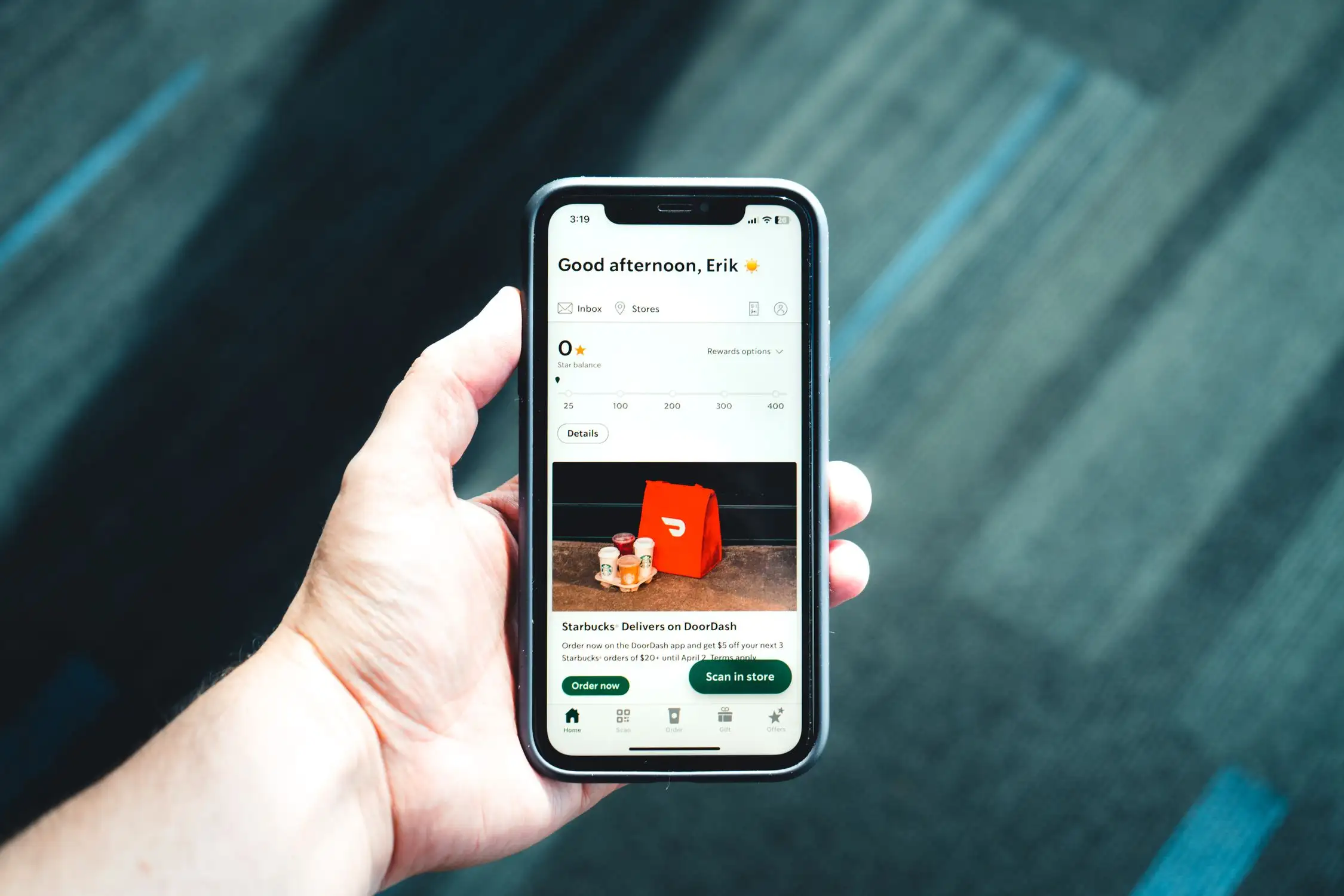
Food delivery apps have changed how people order meals, but they have not replaced the restaurant website. Customers still visit websites to explore menus, learn about the brand, find locations, and decide where to order.
A strong website complements delivery platforms by building trust and offering information that apps cannot always provide. Together, they create a better customer experience from the first visit to the final order.
A Website Builds Trust Before Customers Place an Order
Delivery apps are convenient, but they usually focus on transactions rather than relationships. Restaurants that invest in a professional website give customers a complete picture of their brand, menu, and dining experience.
Businesses such as Al Safadi, a Lebanese restaurant in Dubai show how a well designed website can support both dine in guests and customers who prefer online ordering while strengthening brand identity.
A user friendly website also aligns with modern eCommerce principles that prioritize trust, usability, and customer experience.
Customers Want More Than a Menu
A delivery app usually shows dishes and prices. Brand storytelling allows restaurants to share their history, values, and culinary traditions that create stronger emotional connections.
When customers understand the people behind the food, they often feel more confident about placing their first order and returning in the future.
A Website Gives Better Control Over Information
Restaurants update menus, promotions, and operating hours regularly. Content management becomes much easier when changes can be published directly on the official website.
This ensures customers receive accurate information instead of relying on outdated details that may appear on third party platforms.
Search Engines Still Drive New Customers
Many diners begin with a search engine instead of opening a delivery app. Organic search visibility helps restaurants appear when people search for nearby cuisine, special dishes, or dining recommendations.
A well optimized website creates opportunities to reach customers before they even decide which delivery platform to use.
Websites Answer Common Customer Questions
Customers often want information beyond what delivery apps display. Helpful content such as parking details, reservation options, dietary information, and frequently asked questions improves the overall experience.
Providing clear answers reduces uncertainty and makes ordering or visiting the restaurant more convenient.
Mobile Friendly Design Supports Every Device
Most restaurant searches happen on smartphones. Responsive design ensures menus, images, and ordering information remain easy to access regardless of screen size.
A fast and intuitive mobile experience keeps visitors engaged and reduces the likelihood that they leave before placing an order.
Professional Photography Builds Confidence
Food is highly visual. Quality photography helps customers understand presentation, portion sizes, and menu variety before making a decision.
Clear images also reinforce the restaurant’s identity and encourage visitors to continue exploring the menu.
Direct Communication Strengthens Relationships
Websites create opportunities beyond a single transaction. Customer engagement becomes easier through newsletters, reservation forms, contact pages, and loyalty program information.
These direct connections help restaurants build lasting relationships that are not limited to third party delivery platforms.
Ways a Restaurant Website Complements Delivery Apps
A website and a delivery app should work together rather than compete. Each serves a different purpose in the customer journey and contributes to a more complete digital experience.
Key Advantages
- Strengthens brand identity beyond a delivery platform.
- Provides accurate menus and restaurant information.
- Improves visibility through search engines.
- Supports reservations alongside food delivery.
- Shares promotions and seasonal menu updates.
- Offers direct customer support and contact options.
- Builds trust through authentic brand storytelling.
- Encourages repeat visits through loyalty programs.
How Websites Create Long Term Customer Value
While delivery apps simplify ordering, a website gives restaurants greater control over how customers discover and interact with the brand. It becomes the digital home where visitors can learn, engage, and return.
A Website Supports Every Customer Journey
Not every visitor is ready to place an order immediately. Customer experience improves when people can browse the menu, explore locations, and learn about the restaurant before making a decision.
Some guests may choose delivery today and dine in later. A website supports both experiences without limiting how customers interact with the brand.
Direct Traffic Strengthens Brand Recognition
When customers remember a restaurant’s website, they are more likely to return directly. Brand visibility grows as visitors associate the restaurant with its own online presence instead of only a third party platform.
Direct visits also create more opportunities to introduce new menu items, events, and seasonal offers.
Quality Content Builds Customer Confidence
Helpful information encourages visitors to stay longer. Useful content such as ingredient details, family dining options, catering services, and restaurant stories answers questions before they are asked.
Customers who feel informed often make purchasing decisions with greater confidence.
A Website Supports Marketing Beyond Delivery Apps
Restaurants promote their business through search engines, social media, email campaigns, and local listings. Digital marketing performs better when every campaign directs visitors to a professional website.
The website acts as a central destination where customers can continue exploring instead of relying only on limited app listings.
Consistent Branding Improves Recognition
Visual consistency helps customers remember a restaurant. Brand consistency across the website, social media, and delivery platforms creates a more professional impression.
Matching colors, photography, messaging, and menus make every customer interaction feel familiar and trustworthy.
Official Websites Keep Customers Connected
An official website remains the most reliable source of information. Visiting alsafadi.ae allows customers to explore the restaurant’s menu, locations, dining options, and latest updates directly from the brand while supporting both dine in and delivery experiences.
Keeping information under one trusted destination helps reduce confusion and ensures guests always have access to the latest details.
Digital Experiences Continue After the First Order
The relationship with a customer should not end after delivery. Long term engagement grows when restaurants continue providing value through recipes, news, loyalty rewards, and updates on their official website.
These ongoing interactions encourage repeat business while strengthening customer loyalty beyond individual transactions.
Best Practices for Restaurant Websites
A successful restaurant website should make it easy for visitors to find information, place orders, and connect with the brand without unnecessary steps.
Recommended Features
- Fast loading pages for better user experience.
- Mobile friendly design across all devices.
- Clear navigation with accessible menus.
- Updated business hours and location details.
- Simple access to online ordering options.
- High quality food photography.
- Secure website with reliable performance.
- Easy contact and reservation information.
Conclusion
A restaurant delivery app makes ordering convenient, but a great website builds trust, strengthens the brand, and supports every stage of the customer journey. Together, they create a seamless digital experience that helps customers discover, engage with, and return to the restaurant. Investing in both platforms allows restaurants to serve guests more effectively while building lasting relationships beyond a single online order.


Leave a Reply