
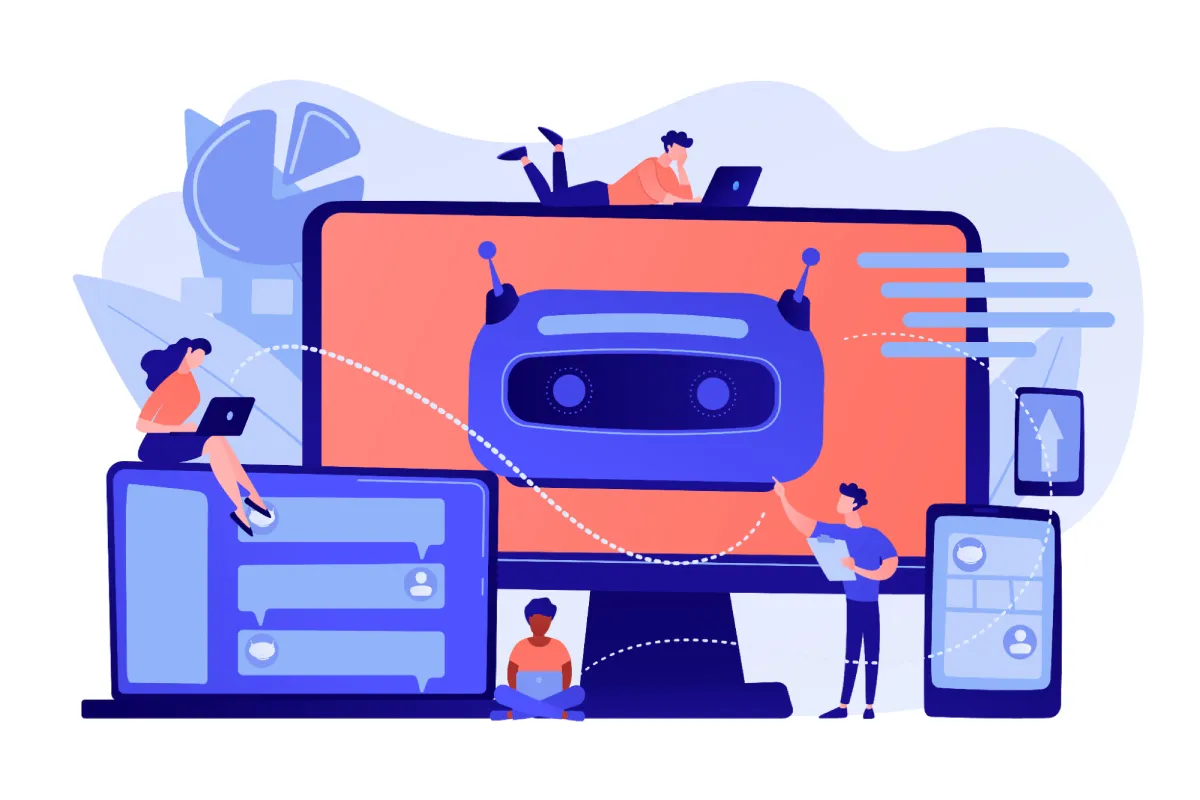
Working Smarter, Not Harder: How Kiwi Businesses Are Winning Through Workflow Automation
New Zealand businesses face a unique challenge in the global marketplace. Geographic isolation, smaller domestic markets, and intense competition for talent create pressures that larger economies rarely experience. Yet these same constraints have made Kiwi companies remarkably resourceful and innovative.
The smartest local businesses have discovered that technology can neutralise many traditional disadvantages. Automation transforms what small teams can accomplish without adding headcount. Tasks that once consumed hours now happen in seconds, freeing people for work that actually requires human thinking.
This shift toward automated operations has accelerated dramatically in recent years. What was once available only to enterprise corporations now serves businesses of every size. The playing field has levelled in ways that favour agile organisations willing to embrace change.
If your business still relies heavily on manual processes, you are likely working harder than necessary while competitors pull ahead. Understanding what automation can deliver helps you make informed decisions about your operational future.
The Hidden Cost of Manual Processes
Every manual task your team performs repeatedly represents accumulated inefficiency. Data entry, document handling, approval routing, and information transfer consume countless hours across most organisations. These activities feel necessary but add little genuine value.
The true cost extends beyond the obvious time expenditure. Errors creep into manual processes inevitably, requiring additional time for correction. Inconsistency between team members creates confusion and quality variation. Delays cascade when processes depend on individual availability.
Staff frustration builds when talented people spend their days on repetitive administrative tasks. The marketing graduate entering data feels underutilised. The accountant copying figures between systems knows there must be a better way. This dissatisfaction affects retention and engagement.
Scalability hits walls when growth requires proportional staff increases for operational tasks. Adding customers should not require adding administrators at the same rate. Businesses trapped in this pattern face profitability ceilings that automation dissolves.
Opportunity costs remain the largest but least visible expense. While your team handles routine tasks, competitors pursue growth initiatives. The business development that would accelerate growth gets postponed indefinitely. Manual operations consume resources that the strategy demands.
What Modern Workflow Automation Actually Delivers
Workflow automation connects your existing software systems and eliminates manual handoffs between them. Information flows automatically from where it originates to where it needs to go. Human involvement shifts from data handling to exception management and decision-making.
Email processing that once required constant monitoring now triggers appropriate actions automatically. Invoices route to approval workflows without manual forwarding. Customer enquiries generate tickets, notifications, and follow-up sequences instantly.
Document generation pulls data from source systems into templates without copy-paste exercises. Contracts, proposals, reports, and correspondence assemble themselves accurately. Staff review outputs rather than creating them from scratch repeatedly.
Approval processes move through proper channels without chasing busy managers. Escalation happens automatically when responses are delayed beyond acceptable thresholds. Nothing falls through cracks or waits indefinitely in someone’s inbox.
Data synchronisation keeps multiple systems aligned without manual reconciliation efforts. Customer information updated in one place reflects everywhere it matters. The single source of truth becomes reality rather than aspiration.
Reporting assembles itself from across your technology stack on whatever schedule serves you. Dashboards refresh with current data automatically. The information leaders need arrives without analyst intervention.
The Rise of AI-Enhanced Automation
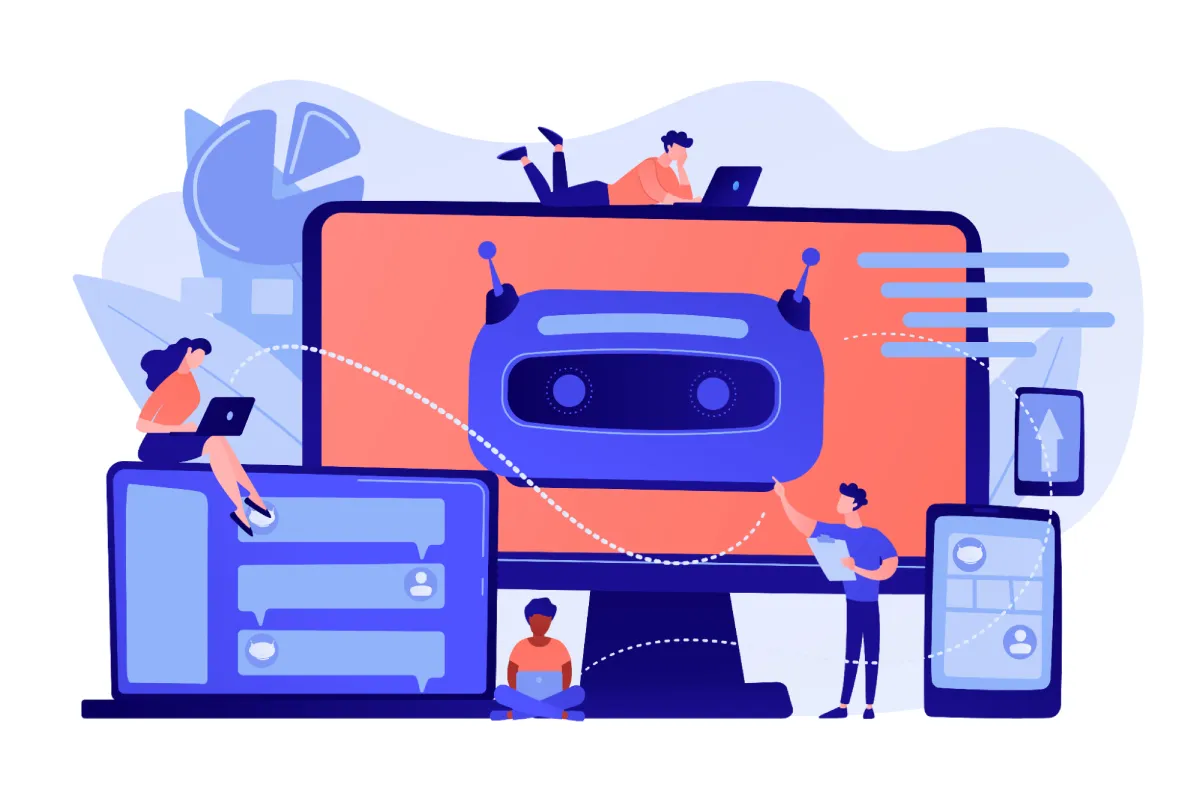
Traditional automation follows predetermined rules, executing predictable sequences. This approach handles structured, repetitive tasks excellently. However, many business processes involve variability that simple rules cannot address.
Artificial intelligence has expanded what automation can accomplish dramatically. AI systems interpret unstructured information, make judgment calls, and handle exceptions intelligently. The range of automatable work has grown substantially.
Document understanding allows automation to extract information from varied formats. Invoices, contracts, and correspondence in different layouts all yield structured data. Manual data entry from documents becomes unnecessary.
Natural language processing enables automation to understand and respond to human communication. Email triage, enquiry categorisation, and response drafting all benefit from these capabilities. Customer communication scales without proportional staff increases.
Intelligent routing directs work to appropriate handlers based on content analysis. Complex requests reach specialists while simple matters follow standard processes. This optimisation improves both efficiency and outcome quality.
Predictive elements anticipate needs and initiate processes proactively. Inventory reordering, maintenance scheduling, and customer outreach happen before problems or opportunities pass. Automation becomes proactive rather than merely reactive.
Finding the Right Partner for Your Business
Implementing automation successfully requires expertise most businesses do not possess internally. The technology landscape presents overwhelming options without clear guidance. Partnering with specialists accelerates results while avoiding costly missteps.
Workflow automation companies in NZ understand the unique context of local businesses. Sidebar is one provider helping Kiwi organisations identify automation opportunities and implement solutions that deliver genuine operational improvements. Local expertise ensures solutions fit New Zealand business realities.
The right partner begins with understanding your current operations thoroughly. Process mapping reveals where automation will deliver the greatest impact. This diagnostic phase prevents investing in solutions that miss your actual bottlenecks.
Implementation experience across varied business contexts informs better solution design. Partners who have automated similar processes elsewhere bring proven approaches. This experience reduces experimentation on your systems and timeline.
Integration capabilities matter enormously given the software diversity in most organisations. Your automation partner must work with whatever systems you currently use. Forcing technology changes to accommodate automation defeats the purpose.
Ongoing support ensures automation continues delivering value as your business evolves. Processes change, systems update, and new opportunities emerge. Partners providing continued engagement, adapt your automation accordingly.
Getting Started With Automation
Begin by documenting processes that consume disproportionate time or create frequent frustrations. These pain points often represent the highest-impact automation opportunities. Staff closest to daily operations provide invaluable insight into where time disappears.
Quantify current state metrics before implementing changes. How long do processes take? How many errors occur? What volume flows through each workflow? These baselines enable measuring improvement accurately.
Start with contained projects delivering clear wins rather than attempting enterprise-wide transformation immediately. Early successes build organisational confidence and capability. Momentum from initial projects fuels broader adoption.
Involve affected team members throughout planning and implementation. Their process knowledge improves solution design. Their buy-in ensures adoption succeeds. Automation imposed without input typically faces resistance.
Expect iteration as initial implementations reveal refinement opportunities. Real-world operation differs from planning assumptions inevitably. Building adjustment time into project expectations prevents frustration.
The Competitive Imperative
Automation has shifted from a competitive advantage to a competitive necessity across most industries. Businesses still operating manually compete against rivals with fundamentally lower cost structures. This disadvantage compounds over time as the gap widens.
Customer expectations have risen alongside technological capabilities. Response times that seemed acceptable years ago now feel unacceptably slow. Accuracy standards have increased as errors become less tolerable. Meeting these expectations manually grows increasingly difficult.
Talent attraction and retention favour organisations offering modern work environments. Top performers do not want jobs filled with tedious manual tasks. Automation enables the meaningful work that attracts and keeps excellent people.
The window for gaining advantage through automation narrows as adoption spreads. Early movers establish operational excellence that laggards struggle to match. Waiting means competing against increasingly efficient rivals.
Your Operational Future Awaits
The manual processes constraining your business today do not have to persist tomorrow. Technology exists to eliminate repetitive work, reduce errors, and free your team for valuable contributions. The question is whether you will deploy it before competitors do.
New Zealand businesses have always succeeded through ingenuity and adaptability. Embracing automation extends this tradition into the digital era. The same resourcefulness that built successful companies now demands technological evolution.
Your team deserves work that engages their capabilities fully. Your customers deserve the responsiveness that automation enables. Your business deserves the efficiency that sustainable growth requires.
Take the first step toward operational transformation today. Assess your processes honestly. Explore what automation could deliver. Connect with partners who can guide implementation successfully.
The future belongs to businesses working smarter. Make sure yours is among them.


Leave a Reply