
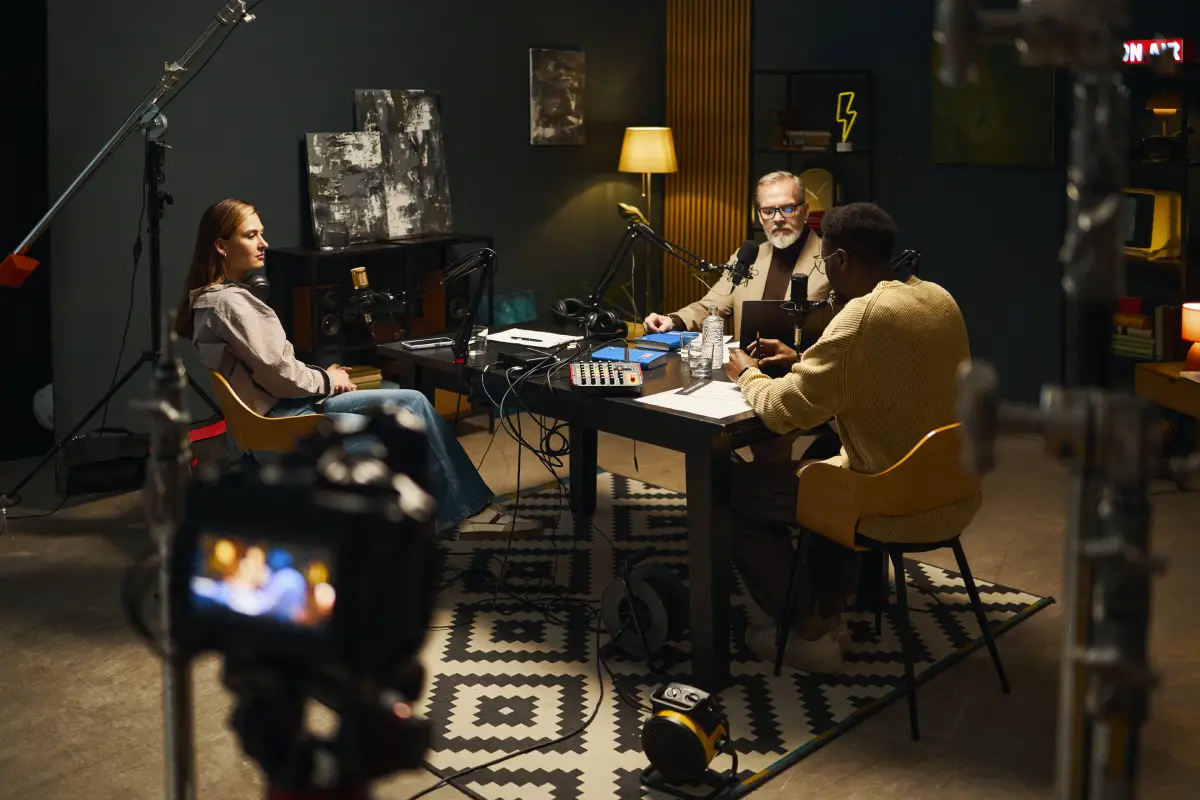
Cinematic Standards for Corporate Virtual Events: Applying Film Techniques to Live Streams
The time for flat, grainy, and bland virtual presentations is gradually declining for progressive businesses. Today, professionals are realizing that high-end visual production directly affects how the audience perceives their brand message and authority. By embracing cinematic standards, you can transform a basic digital broadcast into an immersive and engaging viewer experience.
This change should focus on top-notch devices and intentional creative choices that mimic conventional television broadcasts and filmmaking. The high production value keeps the audience engaged and ensures the corporate messaging excels in a crowded online landscape.
Advanced lighting procedures for online stages
Lighting is an important aspect of any professional video, yet most people who work on corporate videos use harsh overhead lighting. Using a 3-point lighting setup can create depth and dimension, making the presenter more attractive. The use of a key, fill, and backlight creates a separation between the subject and the background. If you need help designing a custom lighting environment for your next video project, many of the leading San Francisco video production companies are available to assist you. Proper lighting will eliminate distracting shadows, giving your presenter the focus of attention throughout the entire presentation.
Depth of field and smart choice of lens
Standard webcams are limited by their flat, wide-angle field of view, which means they can capture a lot of distracting details in the room around you. If you use a mirrorless or cinema camera, you can use prime lenses, which offer a wide aperture and deliver much better results. Additionally, because this type of equipment produces a shallow depth of field, you will achieve softness in the background while keeping the person speaking in focus. The following pointers are crucial:
- Choose a 50mm or 35mm lens to achieve a professional, natural look.
- Use autofocus tracking to keep the speaker in focus, even if they move during the presentation.
- Manage your aperture to a low f-stop to achieve a cinematic, desirable bokeh effect.
Managing framing and cinematic composition
The way you compose your subject in the frame affects how viewers connect with and engage with the content as they look at the screen during a long virtual event. If you use the ‘Rule of Thirds’, you will avoid having that “floating head” look. It will also give the subject an off-center location, making the composition appear balanced. You also want to have enough lead and headroom so that your composition doesn’t look accidental or cramped, but rather intentional.
- Place the camera at your eye level to create a trustworthy and personal connection with the remote audience.
- Integrate subtle background elements that add texture without distracting from the primary speaker or the presentation slides.
- Use a secondary camera angle to add visual variety and keep the event’s pacing from feeling static.
Conclusion
Finally, a video is mostly static, which may cause viewers to tire of it over time. To create additional movement, introduce a form that helps keep the audience engaged. The quality of the graphics and the use of overlays give the overall production a polished look and help ensure all attendees have the full information about what is being discussed during the event.
By using all of these techniques, you can create a positive, lasting impression on each attendee of your corporate virtual event. For this, you can get in touch with a professional video production company to make the most of your shooting and filming tactics.


Leave a Reply