
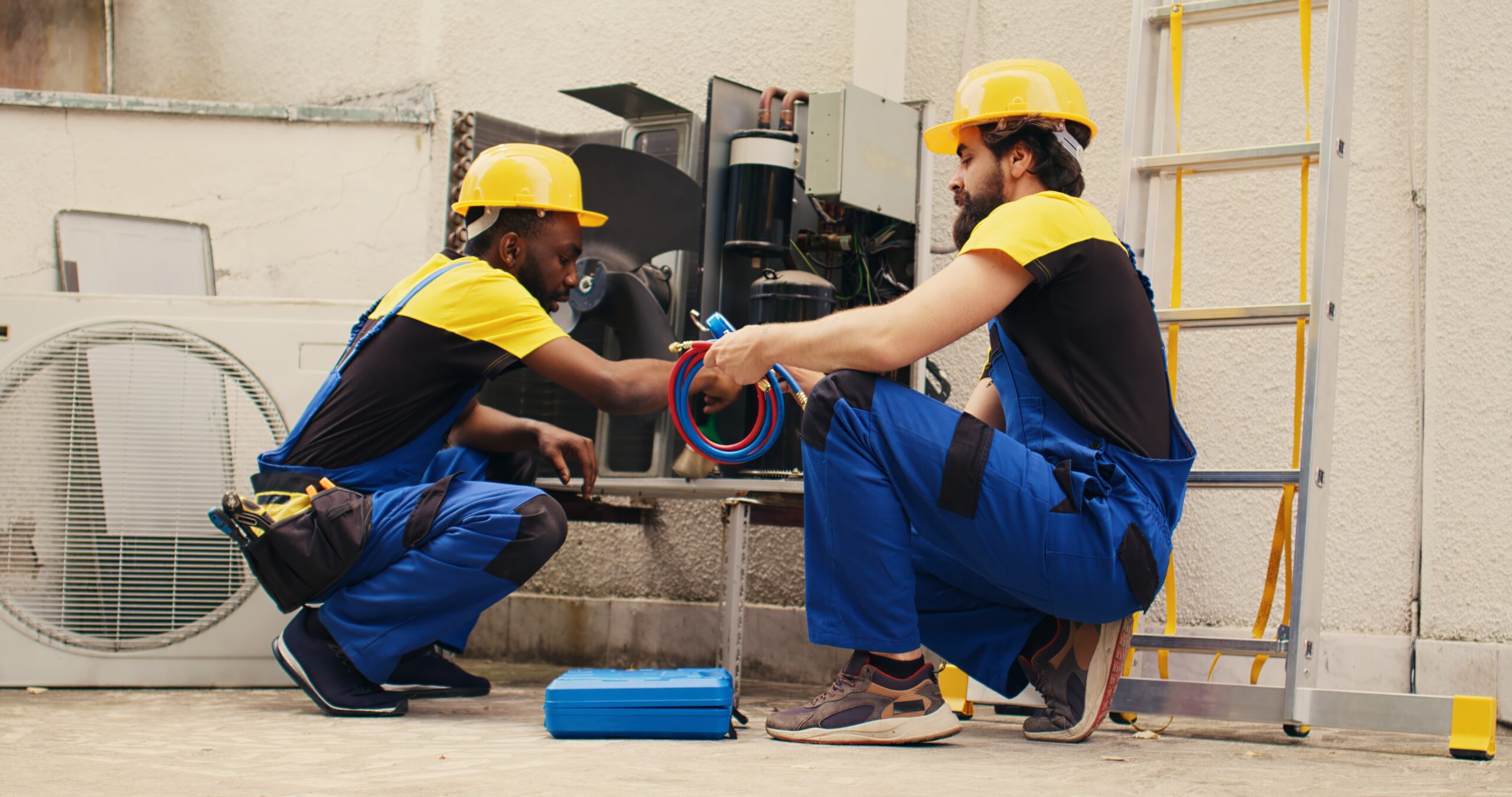
Understanding Commercial HVAC Systems and Their Role in Efficient Building Climate Management
Commercial buildings rely heavily on advanced climate control systems to maintain comfortable, safe, and productive indoor environments. Unlike residential setups, commercial systems are designed to handle larger spaces, higher occupancy loads, and more complex ventilation requirements. These systems are not just about heating or cooling a building; they are responsible for maintaining air quality, controlling humidity, ensuring energy efficiency, and supporting the operational needs of businesses.
A properly designed and maintained commercial HVAC system can significantly impact a company’s energy consumption, employee productivity, and even equipment performance. Because commercial buildings often operate for long hours or even 24/7, these systems are under constant demand, making reliability and efficiency extremely important. When these systems are neglected, businesses may experience uncomfortable indoor conditions, rising energy costs, and frequent operational disruptions.
Understanding how commercial HVAC systems work, what challenges they face, and how to maintain them properly is essential for building owners, facility managers, and business operators who want to ensure long-term performance and cost efficiency.
The Structure and Function of Commercial HVAC Systems
Commercial HVAC systems are more complex than residential systems because they are designed to serve larger areas with varying temperature needs. These systems typically include multiple components such as air handling units, chillers, boilers, cooling towers, duct networks, and advanced control systems. Each component plays a specific role in regulating indoor climate conditions.
Air handling units are responsible for circulating and conditioning air throughout the building. They filter incoming air, adjust temperature, and distribute it through duct systems. Chillers are used in larger commercial setups to remove heat from the building by circulating chilled water. Boilers, on the other hand, provide heating by generating hot water or steam that is distributed through pipes.
The system is controlled by a centralized building management system that allows facility managers to monitor and adjust performance settings. This ensures that different zones within a building can maintain different temperature levels based on occupancy and usage patterns.
Because commercial buildings often have diverse spaces such as offices, conference rooms, warehouses, and retail areas, zoning is a critical feature. Zoning allows different sections of a building to be heated or cooled independently, improving comfort and reducing energy waste.
Importance of Efficient Climate Control in Commercial Spaces
Maintaining a stable indoor environment is essential for productivity and comfort in commercial settings. Employees working in uncomfortable temperatures are more likely to experience fatigue, reduced concentration, and lower efficiency. Similarly, customers visiting retail spaces or service centers are influenced by indoor comfort, which can affect business outcomes.
Proper climate control also protects sensitive equipment and inventory. For example, data centers require strict temperature regulation to prevent overheating of servers, while healthcare facilities need controlled environments to maintain hygiene and safety standards.
Energy efficiency is another critical factor. Commercial buildings often account for a large portion of energy consumption due to continuous HVAC operation. Inefficient systems can lead to significantly higher utility bills. Therefore, optimizing system performance is not just a matter of comfort but also a financial necessity.Modern systems are designed to balance performance with energy conservation. Advanced sensors, automated controls, and variable speed technologies help reduce energy usage without compromising comfort.
Common Challenges in Commercial HVAC Systems
Commercial HVAC systems face several challenges due to their size, complexity, and constant usage. One of the most common issues is uneven temperature distribution. Large buildings often experience hot and cold spots due to airflow imbalances, poor duct design, or zoning issues. This can create discomfort for occupants and reduce overall system efficiency.
Another major challenge is system wear and tear. Since commercial systems run for extended periods, components such as compressors, fans, and pumps experience continuous stress. Over time, this leads to reduced efficiency and increased risk of breakdowns.
Air quality management is also a significant concern. Poor filtration or ventilation can lead to the buildup of dust, allergens, and pollutants. In commercial environments where many people share the same air, maintaining high air quality is essential for health and safety.
Humidity control can also become problematic, especially in environments with fluctuating occupancy levels. Excess humidity can lead to mold growth and structural damage, while overly dry air can cause discomfort and respiratory issues.
Signs That a Commercial HVAC System Needs Attention
Commercial systems often provide early warning signs before major failures occur. One of the most noticeable signs is inconsistent temperature control across different zones. If certain areas of a building are significantly warmer or cooler than others, it may indicate airflow problems or zoning malfunctions.
Unusual noises such as rattling, banging, or squealing are also indicators of mechanical issues. These sounds may suggest loose components, motor problems, or failing bearings.
Increased energy bills without changes in usage patterns can also signal inefficiency. When a system is working harder than necessary due to clogged filters, dirty coils, or failing components, energy consumption rises significantly.
Frequent system cycling is another warning sign. If the HVAC system turns on and off repeatedly, it may be struggling to maintain stable conditions. This can lead to increased wear and reduced system lifespan.Poor air quality, including excessive dust or unusual odors, can also indicate that the system requires maintenance or filter replacement.
Maintenance Strategies for Long-Term Performance
Regular maintenance is essential for ensuring the reliability and efficiency of commercial HVAC systems. Preventive maintenance helps identify small issues before they turn into major problems, reducing downtime and repair costs.
One of the most important maintenance tasks is cleaning or replacing air filters. Dirty filters restrict airflow and force the system to work harder, leading to higher energy consumption and reduced performance.Coil cleaning is also essential. Evaporator and condenser coils are responsible for heat exchange, and when they become dirty, system efficiency decreases significantly. Regular cleaning helps maintain optimal performance.
Duct inspections are equally important. Leaks, blockages, or poor insulation in duct systems can lead to energy loss and uneven temperature distribution. Sealing and cleaning ducts improve airflow and system efficiency.
Lubrication of moving parts such as fan motors and pumps helps reduce friction and wear. Without proper lubrication, components may fail prematurely.Electrical system inspections ensure that wiring, controls, and sensors are functioning correctly. Faulty electrical connections can lead to system malfunctions or safety hazards.
Monitoring Texas electricity rates can also help property owners understand how energy costs may affect overall operating expenses. Combining energy-efficient improvements with informed usage habits can make it easier to manage consumption while maintaining comfortable indoor conditions.
Energy Efficiency in Commercial HVAC Systems
Energy efficiency is one of the most important considerations in commercial building management. Since HVAC systems often account for a large portion of total energy usage, improving efficiency can lead to substantial cost savings.
Monitoring business electricity prices can help building managers identify opportunities to reduce operating expenses and better plan energy budgets. Combining efficient HVAC equipment with regular maintenance and smart controls can further improve energy performance over time.
One effective way to improve efficiency is through the use of variable speed technology. Systems equipped with variable speed motors can adjust their output based on demand, reducing unnecessary energy consumption.Smart building automation systems also play a significant role in improving efficiency. These systems use sensors and data analytics to optimize temperature settings based on occupancy and usage patterns.
Proper insulation and building design also contribute to efficiency. Well-insulated buildings retain conditioned air more effectively, reducing the workload on HVAC systems.Regular maintenance further enhances efficiency by ensuring that all components are operating at peak performance. Even small issues such as dirty filters or minor leaks can significantly impact energy usage.
The Role of Technology in Modern HVAC Systems
Advancements in technology have transformed commercial HVAC systems into highly intelligent and efficient solutions. Modern systems often include sensors that monitor temperature, humidity, and air quality in real time.
Building management systems allow facility managers to control multiple zones from a centralized interface. This improves responsiveness and ensures optimal conditions throughout the building.
Predictive maintenance technology is also becoming more common. By analyzing system data, these tools can predict when components are likely to fail, allowing maintenance teams to address issues before breakdowns occur.Automation and remote monitoring capabilities allow managers to adjust system settings even when off-site, improving convenience and control.
When Repairs Are Necessary in Commercial Systems
Not all HVAC issues require full system replacement. Many problems can be resolved through targeted repairs. Component failures such as broken fans, faulty sensors, or damaged thermostats can often be repaired or replaced without major disruption.
However, repeated breakdowns may indicate deeper system issues. If repair costs become frequent and high, it may be more cost-effective to consider system upgrades.
System age is also an important factor. Older systems tend to be less efficient and more prone to failures. Upgrading to modern systems can improve performance and reduce long-term costs.Safety concerns such as refrigerant leaks or electrical hazards should always be addressed immediately. Ignoring these issues can lead to serious risks for occupants and equipment.
Importance of Professional Expertise
Commercial HVAC systems require specialized knowledge for proper installation, maintenance, and repair. Professional technicians use advanced diagnostic tools to identify issues accurately and efficiently.
They evaluate airflow performance, electrical systems, refrigerant levels, and mechanical components to ensure everything is functioning correctly. Their expertise helps prevent incorrect repairs and ensures system reliability.
Experienced technicians also provide valuable recommendations for improving system performance and efficiency. This may include upgrading components, adjusting settings, or improving maintenance schedules.
Extending the Lifespan of Commercial HVAC Systems
Extending the lifespan of a commercial HVAC system requires consistent care and attention. Regular maintenance is the most effective way to ensure long-term durability.Keeping systems clean and free from dust buildup helps reduce strain on components. Monitoring system performance regularly allows early detection of potential issues.
Avoiding excessive system load is also important. Running systems beyond their intended capacity can accelerate wear and reduce lifespan.Scheduling seasonal inspections ensures that systems are prepared for peak demand periods and can operate efficiently throughout the year.
Final Thoughts on Commercial HVAC Performance
Commercial HVAC systems play a vital role in maintaining comfort, safety, and efficiency in large buildings. Their complexity requires careful management, regular maintenance, and professional oversight to ensure reliable operation.
As technology continues to evolve, modern systems are becoming more efficient, intelligent, and adaptable. However, even the most advanced systems require proper care to perform at their best.
By focusing on preventive maintenance, energy efficiency, and timely repairs, building managers can significantly improve system performance and reduce operational costs. A well-maintained system not only ensures comfort but also supports productivity and long-term financial savings for any commercial facility.


Leave a Reply