
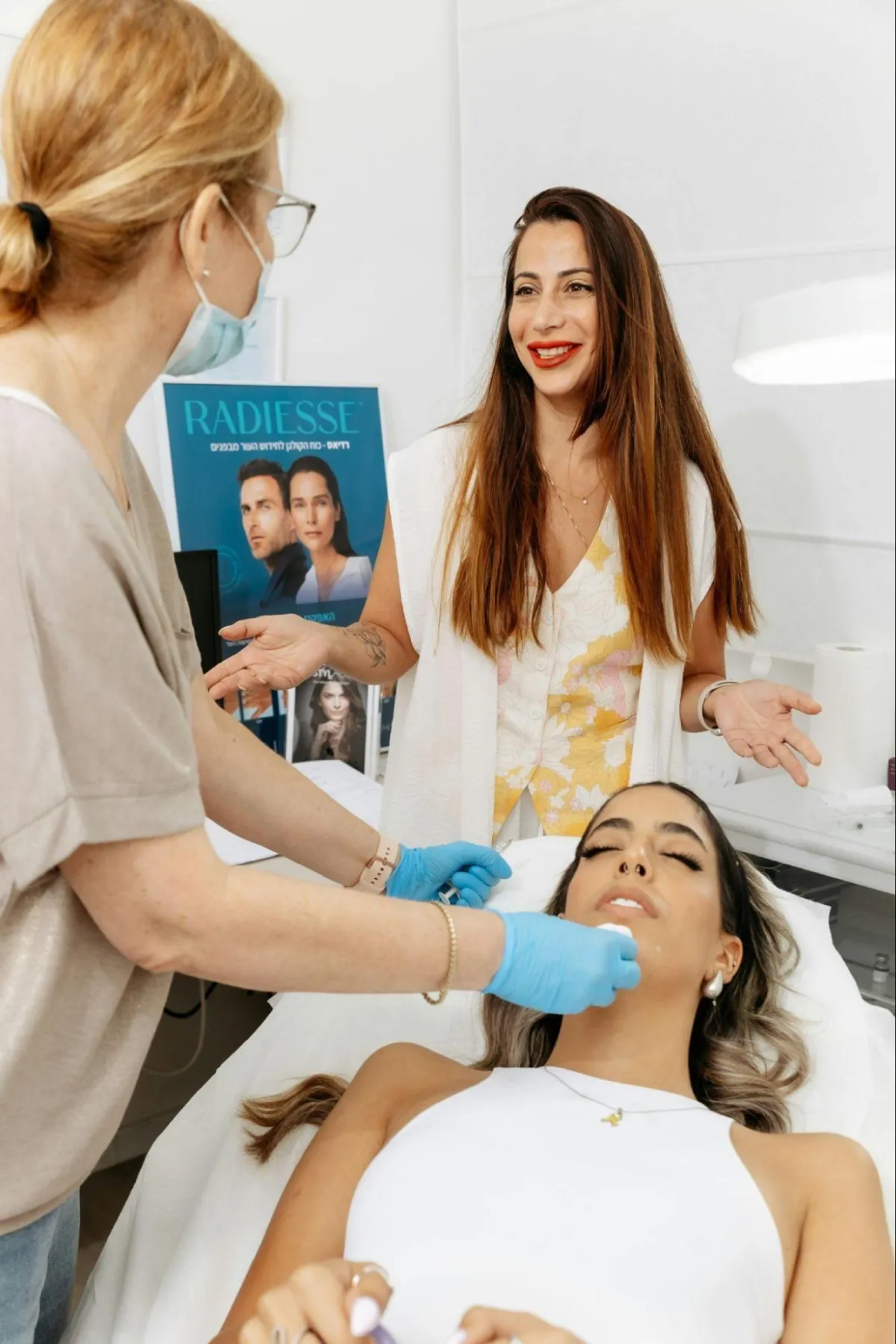
Why Botox Treatments Continue to Lead Cosmetic Procedure Demand
Cosmetic trends change fast. One year it is dramatic contouring. Next year people suddenly want softer skin, less makeup, less obvious work. But one thing keeps staying in the conversation: Botox.
Not quietly either.
Clinics talk about it daily. Patients ask about it before they ask about fillers. Social media made it more visible, sure, but that is not the whole story. The bigger reason feels simpler. People want results that fit into normal life. No huge recovery period. No disappearing from work for two weeks. No major commitment that feels permanent.
That matters now more than ever.
A lot of aesthetic procedures still feel intimidating to first-time patients. Botox usually does not. The appointment is short. The treatment plan feels manageable. The changes tend to look gradual when done correctly. Small adjustments. Less tension in the face. Softer expression lines. More rested appearance. That combination keeps demand moving year after year.
Clinics also continue paying attention to how they source and manage injectable products because consistency matters heavily in aesthetic medicine. Patients notice reliability. Practitioners notice it even more. Many providers looking into wholesale purchasing options or treatment planning resources often review where they can order Botox products for professionals while comparing inventory access, authenticity standards, and clinic supply management needs.
Cosmetic Procedures Started Looking Different
The aesthetic industry shifted over the last several years.
People used to associate cosmetic work with dramatic transformations. Tight faces. Frozen expressions. Overdone lips. A very obvious “worked on” look. That image still exists in some places, but demand has moved somewhere else.
Now patients often ask for subtle changes first.
They want to look less tired during Zoom meetings. Less stressed in photos. Less angry when resting their face naturally. Tiny adjustments. Tiny improvements. That is where Botox fits almost too perfectly.
The treatment became connected to maintenance instead of transformation.
That distinction matters.
Younger demographics started entering aesthetic clinics earlier too. Preventative treatment discussions became common. People in their late twenties and early thirties now speak about expression lines before they become deeply visible. Whether everyone agrees with that trend is another discussion entirely, but it changed clinic demand patterns in a major way.
Botox ended up sitting right in the center of that movement.
Convenience Plays a Huge Role
Some cosmetic procedures require planning around recovery. Botox usually does not.
That alone keeps it popular.
Patients can often schedule appointments during lunch breaks or between meetings. No surgical preparation. No lengthy downtime. No major interruption to work or family schedules. Modern consumers value convenience heavily in every industry, and aesthetics are no exception.
There is also the predictability factor.
People like routines. Botox treatments often become part of recurring personal care habits in the same way hair appointments or skincare routines do. Once patients understand how their body responds and how long results tend to last, the process feels familiar rather than intimidating.
That familiarity builds retention for clinics too.
Aesthetic medicine is not only about results anymore. Experience matters just as much. Smooth scheduling. Consistent product quality. Professional consultations. Reliable treatment timelines. Patients remember all of it.
Social Media Increased Awareness, But Also Pressure
Instagram, TikTok, and short-form video content changed cosmetic procedure visibility completely.
People openly discuss treatments now. Ten years ago many patients stayed quiet about injectables. Today creators film appointments openly. Some even treat aesthetic maintenance like ordinary self-care content.
That normalized procedures for many viewers.
At the same time, social media created another issue: appearance pressure. Constant camera exposure changes how people analyze themselves. Video calls do it too. Facial movement becomes more noticeable when someone spends hours staring at their own reflection on screens daily.
Forehead lines suddenly feel bigger. Frown lines become distracting. Crow’s feet stand out more in bright lighting.
Not always because they changed dramatically. Sometimes because people simply notice them more often now.
That increased awareness feeds cosmetic demand generally, but Botox tends to become the first step because it feels less extreme than surgery or major injectable restructuring.
Patients Often Prefer Gradual Changes
Large transformations can create hesitation.
A lot of patients worry about looking unnatural. They worry friends or coworkers will immediately notice cosmetic work. That fear pushes many people toward smaller procedures first.
Botox works well within that mindset.
The changes usually happen progressively over several days. Facial movement softens gradually. Lines appear less harsh. Most people still look like themselves afterward when treatment is approached conservatively.
That subtle outcome matters more today than clinics sometimes realize.
Many patients are not chasing perfection. They are chasing balance. Looking refreshed instead of altered. Looking awake instead of “done.” There is a huge psychological difference there.
Practitioners who understand restraint often build stronger long-term trust because patients feel safer returning for maintenance rather than correction.
The Demand Is No Longer Limited to One Demographic
Botox conversations used to target a narrow audience.
Not anymore.
Different age groups approach treatment for different reasons:
- Younger adults often focus on preventative care
- Middle-aged patients frequently target visible expression lines
- Older patients may combine Botox with broader aesthetic planning
- Men increasingly explore cosmetic treatments as workplace appearance standards shift
That wider audience changed the scale of demand.
Corporate culture influenced this too. Appearance-focused industries normalized aesthetic maintenance faster, but eventually the trend expanded outward into more ordinary professional environments. Remote work and constant digital communication pushed visibility even further.
People are on camera constantly now.
That ongoing visibility affects self-image whether anyone likes it or not.
Clinics Became More Focused on Long-Term Relationships
The business side of aesthetic medicine evolved too.
Clinics no longer rely only on one-time procedures. Retention became critical. Botox naturally supports recurring patient relationships because treatments typically require maintenance over time.
That creates a different clinic strategy.
Consultations become more educational. Follow-ups become more important. Product sourcing becomes more scrutinized. Reliable inventory matters because consistency directly affects patient trust and scheduling reliability.
A patient returning every few months expects the same level of care every visit. If clinics face supply disruptions or inconsistent treatment planning, confidence drops quickly.
That operational side rarely gets discussed publicly, but inside the industry it matters heavily.
Natural Expression Still Matters
One of the biggest misconceptions around Botox remains the “frozen face” stereotype.
Most experienced practitioners actively try to avoid that outcome.
Patients want movement. They want expression. They just do not necessarily want deep tension lines staying visible all day. The modern aesthetic approach usually focuses on balance instead of complete immobility.
That shift helped Botox maintain relevance.
People became more educated about cosmetic procedures overall. Patients ask more questions now. They research providers. They compare techniques. They review before-and-after images carefully. They pay attention to subtle differences in outcomes.
Clinics had to adjust alongside that more informed audience.
Overaggressive treatment often creates backlash online quickly. Natural-looking work tends to generate stronger patient loyalty long term.
Cosmetic Demand Is Connected to Confidence
Aesthetic medicine discussions become complicated because confidence is personal.
For some people, cosmetic treatments feel unnecessary. For others, small appearance adjustments genuinely affect self-esteem and comfort in social or professional situations.
Both realities exist simultaneously.
Botox demand keeps growing partly because many patients feel the treatment gives them a version of themselves that looks more rested or less stressed without requiring dramatic intervention.
Not transformed. Just slightly adjusted.
That difference explains a lot about why demand continues staying strong even while beauty trends constantly shift around it.
Procedures that depend entirely on trends tend to fade eventually. Botox has stayed relevant because it sits closer to maintenance and familiarity now. Less about chasing extremes. More about managing appearance in a way that feels controlled, repeatable, and relatively approachable for a broad range of patients.


Leave a Reply