
Are PBNs Dead in 2025? Honest Pros, Cons, and Case Studies
If you’ve been in the game, you’ve probably noticed: a site suddenly shoots up with “weird” links from a bunch of old, not-so-popular blogs – and sometimes it stays there, raking in cash. Sometimes stuff happens in a flash, and it can seriously tank a brand’s rep. So, in 2025, Google’s gonna be super strict with their quality and spam rules, and they’re not gonna care much about link signals anymore.
What a PBN is (without the mythology)
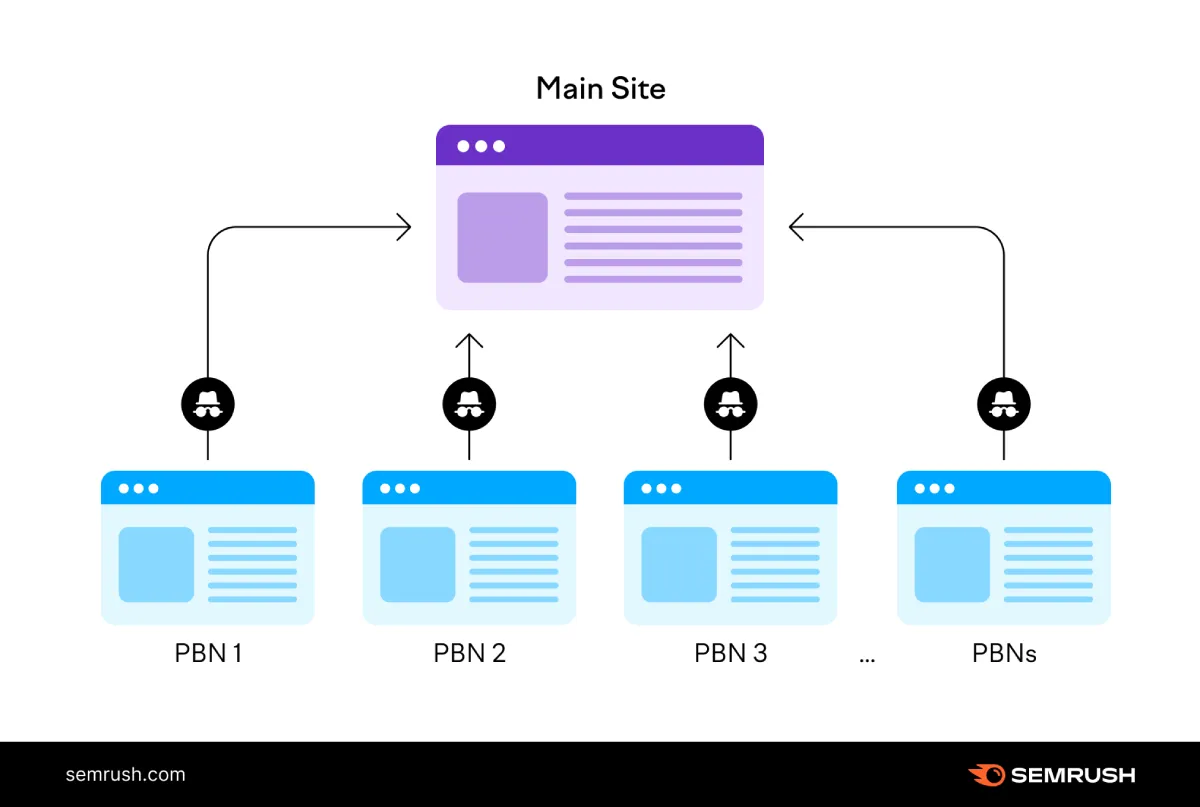
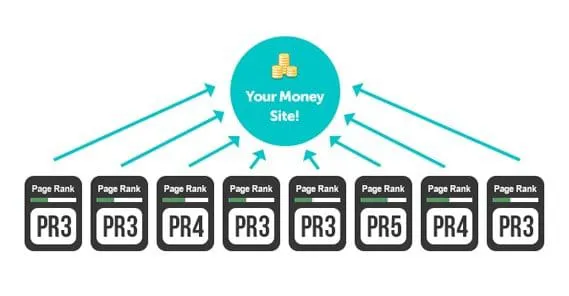
A PBN is a bunch of websites, usually on old or sold domains, that the same person controls to put links with exact links, targets, and timing. The goal is to mess with rankings by making it seem like there are fake endorsements from outside sources. Google doesn’t use the term “PBN” in docs, but it’s super clear they’re against link schemes – those sneaky tricks to boost rankings – and they’ll either drop or penalize stuff that breaks the rules.
Today, we’re seeing two trends in PBN practice: using old domains that are no longer active and putting out content from other sources that doesn’t get much scrutiny, but still boosts a site’s credibility. Both were right in the middle of Google’s 2024 crackdown on dodgy domain stuff and sites that mess with their reputation enforcement started with the March 2024 core update and has been fine-tuned and upgraded since.
What changed since 2024 (and why it matters)
First, Google formalized new spam policies and said it would act on scaled/expired-domain/reputation abuses – not just algorithmically down-weighting, but taking targeted action. Second, the company has kept signaling that links aren’t the “top-3” trump card they once were; Gary Illyes stated in 2023 that links hadn’t been a top-three factor “for some time.” Together, that means you’re betting on a signal with lower marginal weight and higher enforcement risk.
Add one more structural shift: When search engines get more clever and use AI to show results, some of the link juice gets moved around. Policies against “parasite SEO” (site reputation abuse) got tougher and kept getting people talking about it into 2025. Opinion confirmed by professionals from https://buylinkco.com/
How PBNs “work” when they work
The appeal’s really about being in charge and having control over things. You pick the top-notch anchors, landing pages, link speed, and topic mesh for your network. When indexing works smoothly and the site’s visibility is low, you might get a quick boost in search rankings, especially in less competitive search results, or help a page attract more niche visitors. But the same control is like a footprint: it’s all about those synchronized anchors, shared hosting/DNS patterns, super thin content, and zero real audiences. Modern systems are pretty good at either overlooking these signals or marking them for a human to check out. Google’s guidance remains: links that exist to manipulate ranking are spam.
The real-world trade-offs (2025 edition)
Pros (why people still try).You can set up controlled anchors in no time; test pages start to get some initial traction; cash-flow kicks in fast in those high-pressure, fast-paced setups. It’s got that feel of pushing ahead, even when outreach flops.
Cons (why it backfires more often). Doing manual work or just slashing the value can totally mess up ROI and drag out the cleanup for ages. It’s not like the old days where you’d get a ton of bang for your buck, now you gotta roll the dice a bit more to hit that same level of impact. Every buck put into networks is a buck not spent on stuff that builds up and gets you noticed shoppers are grabbing deals on sites with PBNs that are super easy to find.
Risk surface you can’t hand-wave away
- Using an old, dead website to rank for stuff it’s got nothing to do with is a huge no-no now, and a lot of PBNs are still messing this up.
- Using a site’s signals to get unchecked third-party pages to rank is a no-go policy. Networks built on hosted subdirectories or rented sections are at risk.
- Buying or setting up links to boost PageRank is a no-go; there are tags like “nofollow” or “sponsored” for non-editorial links, which PBN links aren’t.
What “ignored” looks like (and why that’s still bad)
A lot of campaigns don’t end with a big win or loss; they just fizzle out without much drama you’re spending money on domains, content, and maintenance, but Google doesn’t really factor it into their rankings. You’ll notice the rankings are pretty much the same even though there are lots of spots. The traffic from those pages is also pretty much nothing (since the sites don’t have any visitors). You’ve turned dollars into noise.
ROI math: Why a lot of PBNs don’t do well before they get penalized
Don’t focus too much on “DR” or just how many links you have – it’s all about the cash flow. This little, chic comparison is all about the same level of quality and how often it pops up in searches.
The traffic multiplier is basically the boost we see on our target pages; “risk cost” is like the average money we’d expect to get back if we had to fix things, spread out over a month, and the revenue comes from both new organ.
The logic is to show how different strategies spread out the cost and risk; after the table, we break it down and talk about it.
| Strategy | Monthly Cost | Traffic Multiplier | Risk Cost (EV) | Incremental Revenue | Net ROI |
| PBN (20 aged domains) | $3,800 | 1.10 | $1,200 | $3,000 | -$2,000 |
| PBN (5 domains, niche) | $1,100 | 1.05 | $300 | $900 | -$500 |
| Digital PR (1 study) | $5,000 | 1.20 | $0–$100 | $8,000 | +$3,000 |
| Editorial outreach (10) | $2,500 | 1.12 | $0–$100 | $3,400 | +$800 |
In this toy model, the PBN rows lose because the lift is modest and risk-adjusted costs are non-trivial; the “win” rows are those that create citable assets or editorial context, which also earn real referral clicks.
Case studies (composite, anonymized – but operationally real)
- Case A – affiliate surge, then stall (net negative). The niche site really upped their PBN links by a whopping 120 billion in just 60 days, all dialed in to make some serious cash the rankings for 8/20 target queries jumped from like 10-20 to 4-8. We saw a revenue boost of around 30% for about six weeks. Then there was this big update, and suddenly the positions dropped to like 15-30 without any heads-up. Probably a big drop in value across the board cleaning up (like doing audits, taking down bad links, and totally revamping content) cost more than what we made during the peak time. Net 6-month ROI: negative.
- Case B – local services “nothing burger”. A small local service biz landed a tiny PBN deal with only 15 links, but their rankings stayed the same. The impressions from Search Console didn’t change at all, they stayed the same the PBN domains didn’t get any organic traffic, so they didn’t bring in much referral traffic. Three months and $3k later, the campaign took a break. Net ROI: negative, with no obvious penalty – just ignored.
- Case C – network on expired domains triggers action. The ecommerce brand’s agency linked up with a bunch of old, irrelevant domains that had expired. After manually handling those odd links, the brand spent roughly 12 weeks reevaluating, which included removing them, keeping track of everything, and updating their processes. Even after getting better, those category pages never really made a comeback to how they were before. The hidden cost was all the time the execs spent on their own stuff and missed the chance to launch. The 12-month ROI is seriously bad, and they’re cracking down on old sites getting new life since next year.
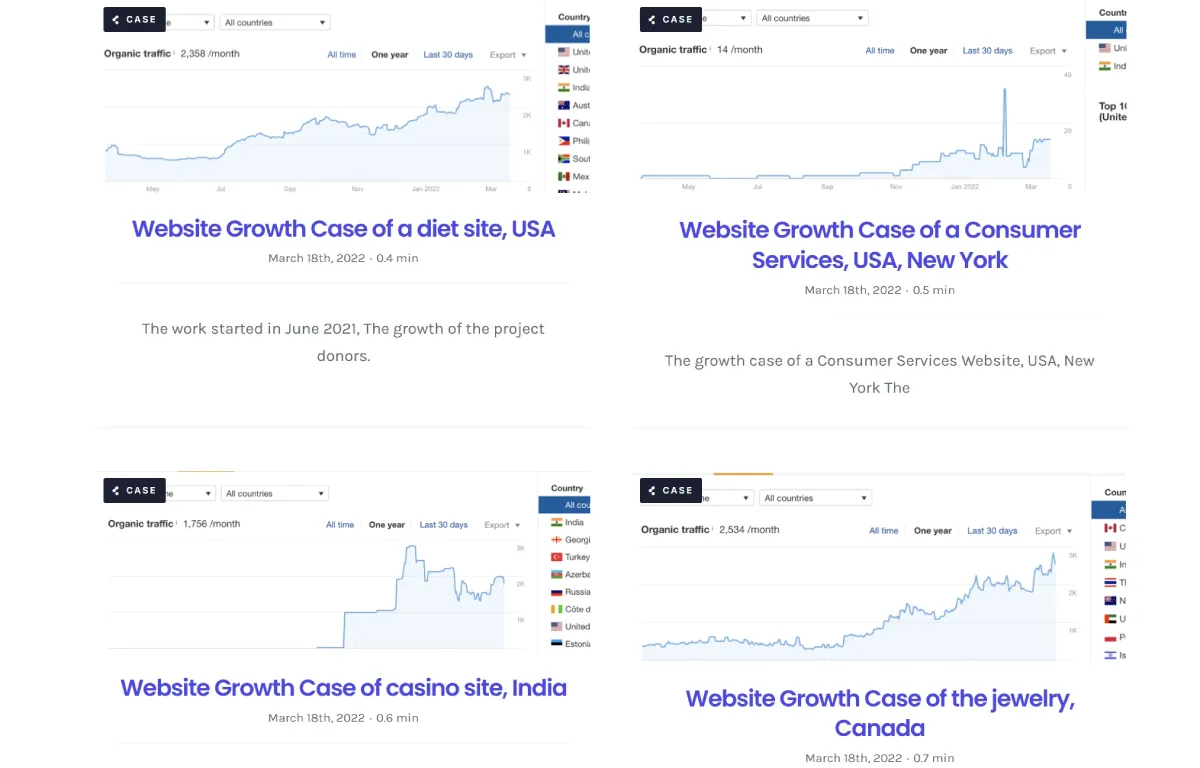
These are the common trends you notice in agency/affiliate groups. So, depending on what happens, in 2025 we might just brush it off or see a quick rise followed by a net loss.
But are PBNs ever rational?
In churn-and-burn affiliate models with short monetization windows and disposable domains, some operators still use networks knowing the endgame is a penalty or devaluation – they just aim to extract value before that. If that’s your model, don’t be shy about it. When you’re selling or flipping items, you gotta be legit and do your research, PBNs are a no-go.
What if you’ve already got PBN links?
Don’t keep piling on more, it’s not about balancing out the risk.
List domains by traffic and topical fit; prioritize removal from obvious network nodes (thin content, many outbound links, no audience).
Publish a mini- study. So, like, if you’re writing something and you need to mention a study or a method note that someone would actually look up, you’d just swap it with a real-deal reference or something. If you land a manual action, you prove you’re cleaning up and actually doing it when you ask for a reconsideration. Google’s help docs are blunt: remove as many spammy links as possible before you file.
Why “just buying better PBNs” rarely fixes it
Vendors will say their networks are “clean”: unique IPs, better content, aged domains with “real histories.” That may lower footprint probability, but it doesn’t change the policy line: these are still non-editorial links intended to influence ranking. Even if things don’t go crazy, Google’s pay attention to what’s happening. You’re paying for a signal the system is built to distrust.
The compliance angle you can’t ignore
If there’s any kind of trade-off, Google wants you to put in a sponsored link with a nofollow attribute, but if it’s just regular user content, then it’s ugc. PBNs are made to dodge stuff like “important” or “significant” to get a better PageRank score – that’s the main issue. Meanwhile, Google’s link tips tell us the platform’s all about making sure links are easy to follow and actually useful for users. That favors editorial context on real sites, not placeholder blogs.
Decision checklist (sanity before spend)
- Business model: churn-and-burn vs. brand/resale?
- Time horizon: Gotta figure out if we’re after a quick energy kick or something that’ll stick around for the long haul.
- Risk tolerance: Can you take on a hands-on job + 3 months of cleaning up?
- Opportunity cost: What kind of proof asset could you make with the same amount of cash?
- Exit plan: What’s your opinion on your backlink profile, buyer? If you can’t back up your answers to a doubting CFO or a journalist digging into your industry, then don’t bother.
Footprint Myths vs. Reality (What Still Gives You Away)
“Top-notch stuff,” mixing up CMSs, and all over the place hosting still means one thing: you’ve got to keep it in your hands. Today’s footprints are less about shared IPs and more about patterns a human editor wouldn’t even think of making at this scale – like money anchors that sync up, pages with no clear path for readers, brands that link up but never get. Even if you spread out the infrastructure, the editorial graph is still fake: no actual referral traffic, no social buzz, no author cred, no mentions outside the circle. Modern systems discount or ignore these signals; when they don’t, manual review can. “Cleaner PBNs” only lower detection probability – they don’t change that links exist to manipulate ranking.
Early-Warning Signals & Monitoring
Most failures aren’t big bangs – Those are tiny, gradual leaks. Watch for:
- adding exact anchors without messing up the ranking positions;
- impressions are up, but clicks aren’t hitting the mark on target pages;
- got zero referrals from new links that don’t have any followers;
- when link velocity’s sensitive, small bursts often match up with market volatility.
Create a weekly “risk strip”.The top 20 money pages with (a) fresh links, (b) referral clicks, (c) position changes, (d) manual-action status if new links don’t start bringing in rankings or referrals in like 30-45 days. It’s probably not worth the investment anymore, so let’s shift our budget to stuff that’s more likely to boost our editor
Buyer Due Diligence: Backlink Red Flags
If you get sites, make sure you’re clear on the price risk watch out for these warning signs – a bunch of exact-match anchors from not-so-popular sites, loads of links from old, expired sites that aren’t really related, weird spikes in links with no real news to back them up. What’s the 12-month change in connections between domains after a new owner took over? Are these five pages legit with actual comments, social shares, or any proof they’re being read? If the profile’s value is tied to networks, you gotta have a backup plan like an escrow thing or a price-adjuster to deal with any drop in value after the deal’s done.
Safer Alternatives When You Want “Control”
Want controllable outcomes without violating policy?
- When you’re reworking internal links, think about making them like story hooks in the main text that answer what users are curious about. Try to make those links stronger by bringing together lots of related pages into one solid spot.
- When it comes to partner integrations and directories, make sure they’re clearly marked as “sponsored” when needed. Focus on getting more traffic through referrals, not just trying to boost your PageRank.
- Proof-led assets like calculators, method notes, and live trackers – stuff editors and AI systems dig for citing.
- Community distribution is all about those niche newsletters and association sites where you get real clicks from in-body links.
These compound, de-taking a chance, but you still get to tweak stuff (like what you’re talking about, when you do it, the words you use, and the pages you land on).
Reconsideration Request Skeleton (If You Get Hit)
1. Admit scope. “We snagged/plunked down some X links to give our ranking a boost.
2. Document cleanup. Took out all the links with proof, said no to the file summary, and tried to reach out.
3. Change log. We’ve updated our editorial policy, we’re ending the contract with the vendor, and we’re putting in some checks to stop this from happening again.
4. Evidence of good faith. Got some new citations because of the editorial context, really emphasizing how useful they are for users reviewers are looking for solid proof of understanding and action, not just long sorry notes.
Bottom line
No, PBNs aren’t “dead” – they still manage to shift rankings sometimes but by 2025, they’re off from Google’s standards and rules, they’re not as strong as they used to be, and for real brands. It’s not looking good – usually just a silent take-down. If you’re working with tight deadlines and don’t sweat the small stuff, you’re basically playing the odds. For everyone else, just split the budget evenly between stuff people actually want to cite and spots where real folks hang out that combo of editorial mentions, branded search lift, and qualified referral traffic – that’s what sticks around after core updates.


Leave a Reply