
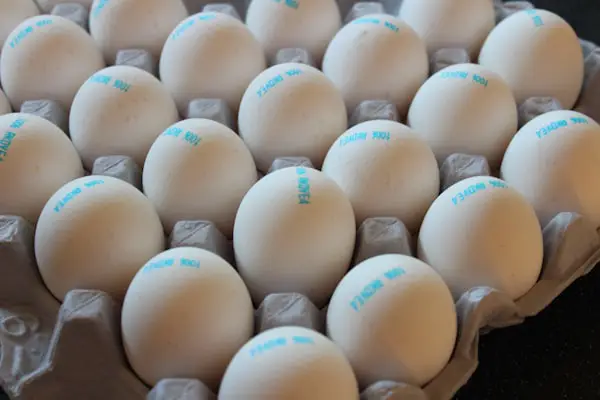
Choose Better Packs for Safer Deliveries and Easier Disposal
Picture this: you run a small egg farm outside Ballarat. A courier returns a pallet, and six dozen are cracked because the packs buckled in transit. That is lost margin, upset customers, and stock you cannot sell.
The pack you choose affects product safety, compliance, and the bin your customer uses at home. A few fast tests and a tighter supplier brief can cut guesswork before your next order.
Key Takeaways
These points will help you choose with less guesswork.
- Start with molded fiber or clear rPET. Foam PS, or expanded polystyrene, rarely fits kerbside recycling in Australia.
- Stamp each shell and print ARL icons on the pack. That supports traceability and clear disposal.
- Test samples before you scale. A stack check, an edge drop, and a humidity soak expose weak designs fast.
- Match cell size to your weight grade. Cells that are too tight crush shells, and loose cells let them rattle.
- Source locally when possible. Shorter lead times help, but sample testing still matters before any bulk order.
What Good Packaging Looks Like
Good packaging protects the product first, then supports clear disposal and clean printing.
Materials At A Glance
Molded fiber: Recycled paper pulp absorbs impact well and is widely accepted in paper and cardboard recycling when it is clean and dry. Lab testing also shows high moisture can weaken fiber packs and reduce compression strength.
rPET: Recycled PET plastic gives shoppers a clear view without opening the lid. Rigid PET is accepted in several Australian recycling programs, and manufacturer studies say rPET packs can beat pulp or polystyrene on carbon in certain scopes.
Foam PS: It is light and cheap, but it is generally not accepted in Australian kerbside recycling. That makes it a poor retail default unless you run a take-back program.
Design Details That Matter
Look for deeper cells with rounded bases, ribbed lids that resist bowing, strong sidewall grip, and clasps that stay shut during courier handling. FAO guidance notes that eggs are highly fragile, so the pack must stack well while limiting shell damage.
Fit And Size
Australian labels commonly use pack weights such as 700 g per dozen for extra-large grades. If cells are too shallow, shells get squeezed. If they are too wide, the product shifts and picks up hairline cracks.
Label Surface That Works
Reserve clear space for the shell stamp, ARL disposal icons, date and lot details, and a short farm story. Matte surfaces usually take stickers and ink more reliably than glossy finishes.
Australian Compliance Made Practical
Use packs that make traceability, inspection, and disposal instructions easy to manage.
Stamping
FSANZ Primary Production and Processing Standard 4.2.5 requires individual shell stamping with the producer’s unique identifier. In NSW, the Food Authority offers a free hand stamp to small operators. In Victoria, producers with 50 or more birds must obtain a code through the PIC register.
Food Standards Code Quick Hits
As of 17 September 2025, the FSANZ Board approved changes to strengthen Standard 4.2.5. The code bars the sale of dirty or cracked eggs to consumers and requires hazard control across the supply chain. A clear lid or easy-open design can make inspection faster.
ARL On Pack
The Australasian Recycling Label, or ARL, is an evidence-based program developed by APCO with Planet Ark and PREP Design. It gives clear disposal instructions for Australia and New Zealand. Put the icon where shoppers can see it at a glance, usually on the lid or front panel.
Test Protection Before You Order
Three quick tests will expose the weak options before you place a bulk order.

Stack Test
Place five full packs in a shipper box and add weight equal to two layers above. Check the clasps, lid bow, and cell deformation. Research suggests transport and storage breakage can range from about 0.16% to 2.65%, so even a small gain matters.
Edge Drop
Drop one loaded pack from 45 cm onto a corner, then onto a flat face. Look for hairline cracks, also called checks. If more than one shell fails, move on to a stronger design.
Humidity Soak
Leave a molded fiber sample in a humid room for 24 hours, then repeat the stack and drop tests. Watch for softening and lid bow. This is a simple way to mimic cold-chain condensation during delivery.
You do not need a full ASTM or ISTA lab to screen weak designs. These three checks catch the biggest failure points. Dispose of test eggs appropriately.
Choose A Real Disposal Path
Pick a material that fits how your customers actually sort waste at home.

Paper And Molded Fiber
These packs are widely recovered through paper and cardboard streams when they are clean and dry. Wet or food-soiled packs should stay out of recycling because contamination lowers the value of the batch.
rPET
Check your local council list before you print disposal claims. Rigid PET is accepted in several programs, and clear ARL labelling helps customers sort it correctly.
Foam PS
This option is hard to recover at kerbside. A few drop-off points accept clean white EPS, but access is limited. Life-cycle comparisons also vary by system boundary, so local recovery matters more than broad claims.
Compostables
Use compostable plastic only when it is certified to AS 4736 for industrial composting or AS 5810 for home composting. These items do not belong in plastics recycling, and industrial certification is only useful where facilities exist.
Check The Cost Math
A modest drop in breakage can pay for a better pack faster than expected.
Quick ROI Example
If you sell 10,000 eggs a month at a $0.40 margin each and cut breakage from 2.0% to 0.5%, you keep 150 extra saleable eggs. That adds $60 in margin before you count fewer refunds and reshipments.
What To Track
Record breakage at pack-out and at delivery, refund rate, damage photos from support tickets, and customer questions about disposal. Those numbers tell you whether the higher unit cost is earning its keep.
Match The Pack To The Sales Channel
The best choice depends on where the product is sold and how far it travels.
Farm Gate And Markets
Molded fiber works well here because it is easy to brand and easy to stack. Keep rain covers nearby for outdoor stalls.
Wholesale And Foodservice
Choose stronger lids and firm clasps that hold up under crate stacking. A cheap lid that bows in storage quickly becomes an expensive problem.
Ecommerce And Couriers
Use clear rPET or premium molded fiber with reinforced lids. Add a snug shipper box with paper cushioning, print this side up, and include a QR code for storage tips.
Export Or Long Haul
Run the three quick tests, then add a weekend stacked vibration trial with your carrier. It takes extra time, but it is cheaper than learning in market.
Use Print To Reduce Friction
Clear print helps sales only when it also supports sorting, storage, and compliance.
Print Choices
Use low-ink, water-based printing on fiber. For rPET, use removable labels. Avoid heavy coatings that make recycling harder.
Must-Have Copy
Include the shell stamp, use-by date, storage advice, ARL icons, and a short farm story in 40 to 60 words. Keep the layout easy to scan from arm’s length.
Digital Tie-Ins
Add a QR code that leads to welfare information, recipes, and reordering. Show pack photos on your product page and in order emails so buyers know what will arrive.
Supplier Checklist And Quick Buy
Local samples and a short test cycle beat a cheap bulk order every time.
For a practical local option, ask suppliers to confirm stack strength, lid fit, label adhesion, recycled content, and lead times before you commit, because small farms and indie grocery brands usually need cartons that arrive fast, print cleanly, and still provide ARL-friendly surfaces for labels across local deliveries. Ozpack is one supplier worth reviewing if you are comparing quality egg cartons for packaging for those everyday requirements.
Buy tested designs from Australian suppliers, then sample before you scale. Ask direct questions and make the supplier prove fit, printability, and recovery claims.
- Material and recycled content verified, with ARL readiness confirmed.
- Cell size matched to your pack weights, including 700 g dozens if relevant.
- Sample order available for testing, with a clear return or refund policy.
- Lead times and minimum order quantity stated up front.
- Print method documented, with label adhesion checked on the final surface.
- Support available for FSANZ and ARL questions.
If you need Australian-ready options that pass stack testing and arrive quickly, compare recycled-pulp and clear rPET ranges from local suppliers. These packs suit small farms and indie grocery brands that ship locally and want ARL-friendly label surfaces.
FAQs
These are the questions buyers usually ask before they switch suppliers.
Which Material Handles Courier Use Best?
Clear rPET and premium molded fiber with reinforced lids usually handle courier networks best. Pair either option with a snug outer shipper and paper cushioning. Run a 45 cm edge-drop test before you place a bulk order.
Do I Need To Stamp Every Shell If I Am Small?
Yes. Under FSANZ Standard 4.2.5, every egg sold to consumers must carry the producer’s unique identifier. NSW offers a free hand stamp to small operators, and Victoria requires producers with 50 or more birds to register for a code.
Can Customers Compost The Pack At Home?
Plain molded fiber breaks down well in home compost. For plastic-based options marked compostable, look for AS 5810 certification. If the pack is certified only to AS 4736, it needs industrial composting and should stay out of home bins and plastics recycling.
How Do I Size Packs For Jumbo And Extra-Large Grades?
Australian labels commonly use pack weights such as 700 g per dozen for extra-large grades. Jumbo grades need wider and deeper cells. Load both sample sizes with your real product and repeat the stack test to check for squeeze or rattle.
Conclusion
A short round of testing now can prevent months of refunds and cracked shells.
Shortlist molded fiber or rPET, verify protection with the stack, drop, and humidity checks, add clear ARL icons, and buy only after sample testing. One practical afternoon now can save a long run of damaged stock and unhappy customers.


Leave a Reply