

Complete Brand Design: Integrating Web Themes with Print Materials
Brand identity extends across every customer touchpoint; from your website and social media to printed materials and signage. Treating these elements as separate projects can create confusion, while a cohesive approach builds recognition and trust.
The challenge lies in bridging the gap between digital and print design. Web design uses dynamic layouts, RGB colors, and interactivity, while print relies on fixed sizes, CMYK colors, and tangible materials. Many businesses separate the two, missing the chance to create a unified experience.
Strong brands maintain visual and tonal consistency across mediums. Colors, typography, and logos may adapt technically but should always feel part of the same identity. When every interaction; online or offline; reflects the same look and message, customers instantly recognize and trust your brand.
Building Your Digital Brand Foundation
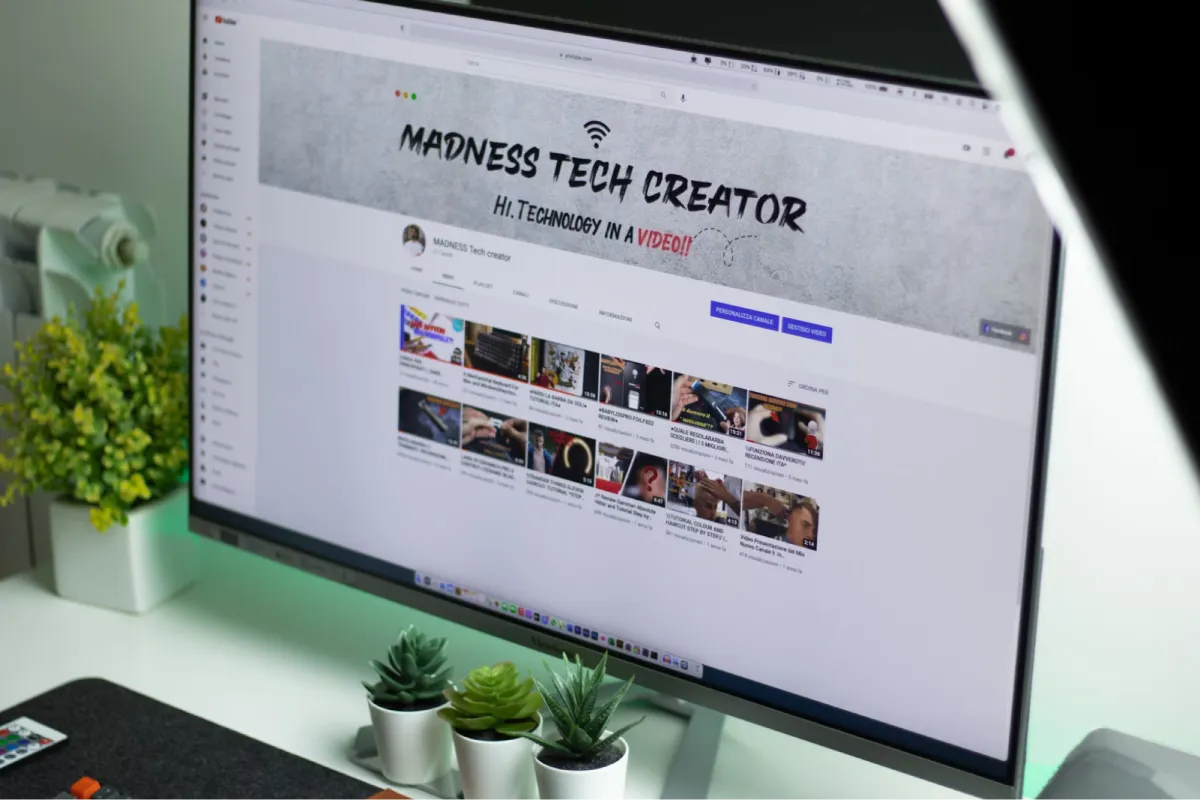
Your website is the core of your brand identity; the place where customers form first impressions and experience your business most directly. Its design sets the visual and emotional foundation for all other brand materials, making it essential to get right.
Choosing a web theme is a major early decision that defines both aesthetics and user experience. Rather than picking what simply looks appealing, start by clarifying your brand personality; modern or classic, corporate or creative; and choose a theme that reflects those traits.
Typography and color choices subtly communicate who you are. Serif fonts convey tradition; sans-serifs feel modern. Limit yourself to two or three complementary typefaces for readability and hierarchy. Colors should align with your brand’s tone while ensuring accessibility; blue builds trust, green suggests growth, red creates energy.
Layout and spacing determine how users absorb information. White space, consistent alignment, and clear visual hierarchy make a site feel polished and easy to navigate.
Imagery and responsive design complete the picture. Consistent photo or illustration styles reinforce your brand tone, while responsive layouts ensure your identity remains recognizable across all devices. A cohesive, well-structured website builds trust, clarity, and lasting brand recognition.
Extending Brand Identity to Physical Materials
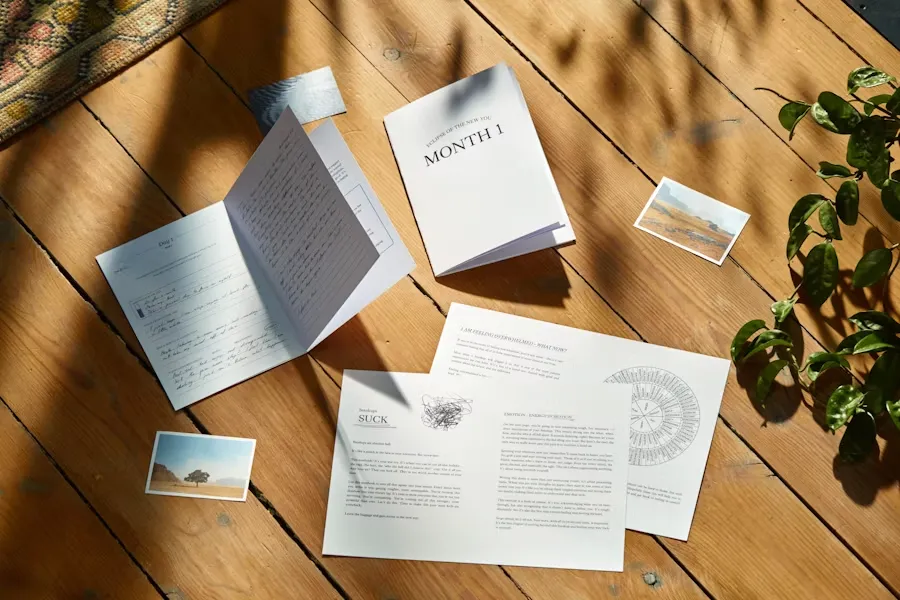
Once you’ve established your digital brand foundation, translating that identity to print materials creates the physical touchpoints that reinforce recognition and build trust through multiple channels. Print materials serve different functions than websites – they exist in physical space, get handed to people, sit on desks, hang on walls, and create tangible connections that digital experiences can’t replicate.
Business cards remain fundamental brand materials despite digital transformation. These small rectangles communicate professionalism and make it easy for people to remember and contact you after in-person meetings. Your business card design should clearly reflect your website’s visual identity through consistent colors, typography, and overall style. The card stock quality, finish, and printing method all contribute to the impression you make. Premium materials suggest a business that values quality and pays attention to details.
Signage and storefront branding create immediate visual impact that attracts foot traffic and establishes physical presence. For businesses with physical locations, exterior signage often provides the first impression, making it crucial that these materials communicate your brand identity clearly and professionally. Window graphics, banners, and entrance signage all contribute to the cumulative brand experience. Vertical printing capabilities allow for large-format materials that make statements visible from distance – whether standing banners, wall graphics, or building signage that establishes your presence in the physical landscape.
Marketing materials like flyers, brochures, and posters extend your reach beyond digital channels. These materials work at events, in waiting rooms, on community bulletin boards, and anywhere potential customers might encounter information about your business. Consistent design across these materials reinforces brand recognition, with each piece strengthening the identity you’ve established through your website and other touchpoints. Professional printing services such as Youprint ensure that your carefully designed materials reproduce accurately with colors that match your brand standards and quality that reflects the professionalism you want to project, understanding that print materials represent your business in physical spaces where you can’t personally be present.
Packaging and product materials create brand experiences for physical products. If you ship products, the unboxing experience contributes to customer satisfaction and brand perception. Custom boxes, tissue paper, stickers, and thank-you cards all provide opportunities to reinforce brand identity while creating memorable moments that customers might share. These details seem small individually but accumulate into impressions that distinguish memorable brands from forgettable ones.
Creating Seamless Integration
The goal of integrated brand design isn’t making everything identical across web and print but creating family resemblance where each application works optimally for its medium while maintaining clear connections to your overall identity. Your website might use animation and interactive elements that obviously don’t translate to print, while your print materials might employ textures and finishes impossible in digital. These medium-specific features are strengths, not problems, as long as underlying brand elements remain consistent.
Color translation between screen and print requires attention because RGB colors displayed on screens don’t always match CMYK colors printed on paper. Working with professional designers and printers who understand these differences ensures your brand colors remain recognizable across mediums even when exact matching isn’t technically possible. Defining your brand colors in both RGB and CMYK values from the start prevents surprises when materials move from screen to print.
Typography consistency faces challenges too since web-safe fonts don’t always match print fonts perfectly. Selecting typefaces available in both digital and print formats, or choosing complementary alternatives that maintain similar personalities when exact matches aren’t possible, keeps your brand feeling cohesive. The key is maintaining the overall typographic voice rather than requiring identical fonts everywhere.
Creating brand guidelines that document all these decisions – color values in multiple formats, typography specifications, logo usage rules, imagery style descriptions – ensures consistency as your brand expands across more touchpoints and potentially involves more designers and vendors. These guidelines become the reference point that keeps everything aligned even when different people execute different brand materials.
The effort invested in creating truly integrated brand design pays returns through increased recognition, stronger customer trust, and more effective marketing. When every touchpoint reinforces the same identity, your brand becomes more memorable and trustworthy. Customers encounter consistent professionalism whether visiting your website, receiving your business card, or seeing your storefront. This consistency doesn’t happen by accident – it requires intentional design decisions that consider how web and print work together to create complete brand experiences.


Leave a Reply