
From Arcades to Algorithmic Design: The Hidden Architecture of Modern Gaming
The modern video game industry is a multi-billion-dollar titan, outgrowing traditional entertainment mediums like cinema and music combined. Yet, if you strip away the photorealistic graphics of a modern blockbuster or the complex orchestral scores of an indie masterpiece, you are left with a core framework that hasn’t changed since the 1970s: the feedback loop.
Understanding how developers design player engagement requires looking past the visual spectacle and diving straight into the mechanics of reward, unpredictability, and algorithmic architecture.
The Psychology of the Reward Loop
At the heart of every digital experience lies a psychological contract between the player and the developer. Why do we spend dozens of hours exploring open worlds, sorting through digital inventory, or trying to beat a high score? The answer lies in structural game mechanics often referred to in developer circles by regional design terminologies like slot gacor. Originally a slang term used by enthusiasts to describe a system running at peak, highly optimized efficiency where rewards and gameplay feel perfectly fluid—this concept highlights the golden ratio of game design: the balance between challenge and payoff.
If a game is too difficult or stingy with its rewards, players abandon it out of frustration. If it is too easy, boredom sets in within minutes. Game theorists look for that exact sweet spot where a game feels alive, responsive, and consistently engaging. In mainstream titles, this manifest as “loot tables” the hidden math determining what item drops when you defeat a boss. When a developer tunes these tables correctly, the player experiences a sense of momentum that defines the best gaming experiences.
The Rise of Randomized Mechanics
Random Number Generation (RNG) is the invisible engine powering almost every genre today. From the critical hit percentages in strategy games to the randomized map layouts in roguelikes like Hades or Dead Cells, randomness prevents gameplay from becoming predictable.
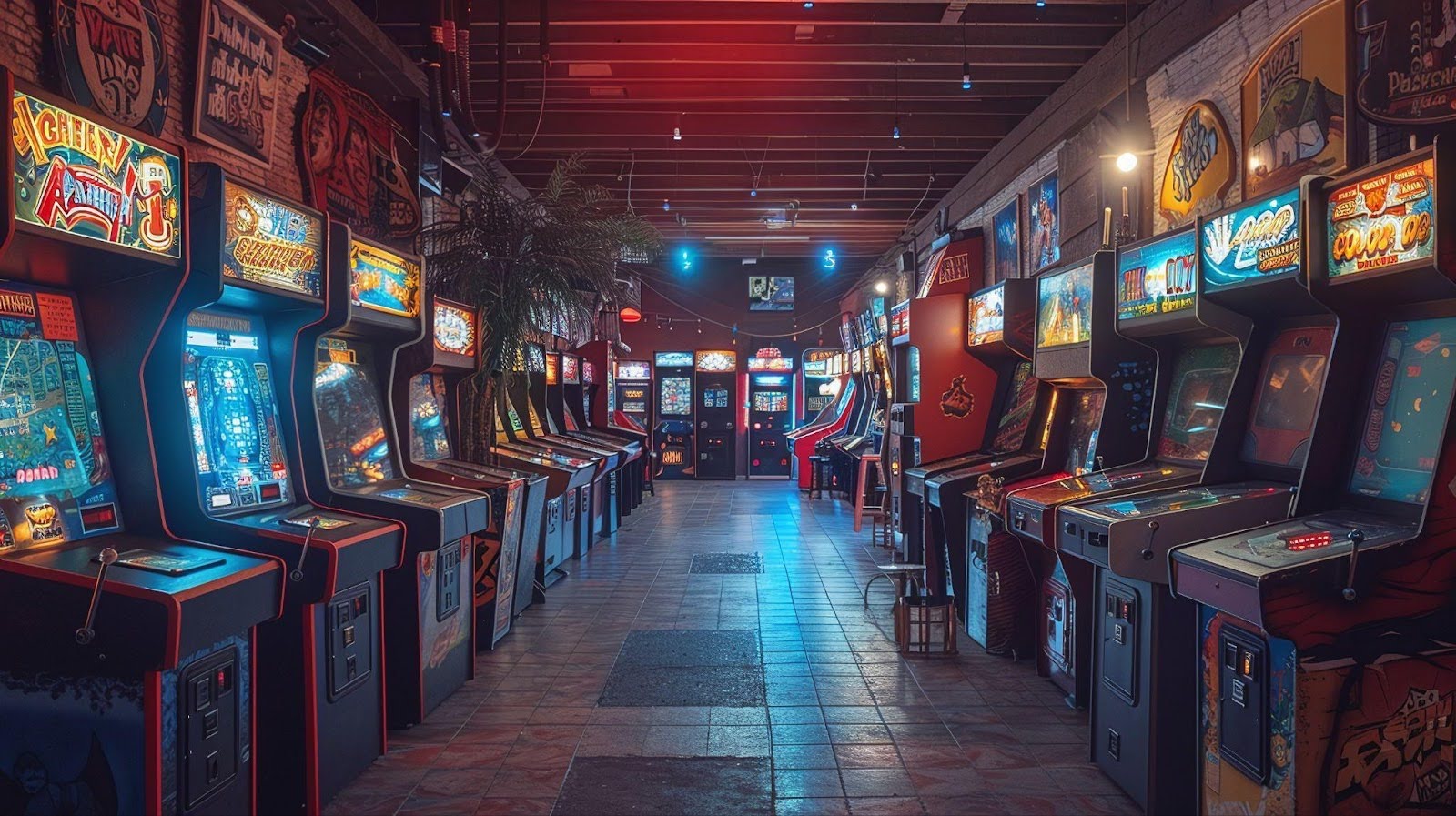
Historically, this reliance on randomized math can be traced back to early arcade cabinets and foundational micro-computing systems. For instance, classic hardware architectures, such as the legendary 8-bit and 16-bit processing frameworks often cataloged under vintage designations like slot88, revolutionized how early home consoles handled randomized data streams. These early system architectures allowed developers to move away from rigid, linear levels and experiment with dynamic enemy spawning and variable item drops.
Today, that vintage architectural philosophy has evolved into procedural generation. Games like Minecraft and No Man’s Sky use incredibly complex algorithms to generate entire universes on the fly. The underlying principle remains identical to the early days of micro-computing: using mathematically sound formulas to create endless variations of entertainment, ensuring that no two playthroughs are ever exactly alike.
The Fine Line Between Engagement and Immersion
As games have transitioned from local, offline experiences into living, breathing digital ecosystems, the responsibility of the game designer has grown exponentially. The mechanics of unpredictability are no longer just about making a game “fun”; they are about creating community. When a game achieves a state of high optimization, word travels fast through digital communities, forums, and streaming platforms. Players naturally flock to titles that respect their time while still offering the thrill of discovery.
However, the industry faces an ongoing debate regarding how these psychological loops are utilized. While randomized loot drops and unpredictable encounters can elevate a game into a masterpiece, over-reliance on these loops can make gameplay feel arbitrary. The most successful modern studios are those that blend deep, narrative storytelling with tight algorithmic mechanics. They use the thrill of the unknown not as a crutch, but as a tool to punctuate an already compelling world.
Looking to the Future
As we venture further into the eras of artificial intelligence and cloud-based gaming, the architecture of game design will only become more sophisticated. Future engines may analyze player behavior in real-time, adjusting difficulty curves and reward cycles dynamically to maintain that perfect state of flow.
Whether you are analyzing the latest next-gen console releases or looking back at the foundational math of classic computing slots, the core objective of the gaming world remains beautifully unchanged: to capture human curiosity, package it within elegant mathematics, and deliver an unforgettable escape from reality.


Leave a Reply