
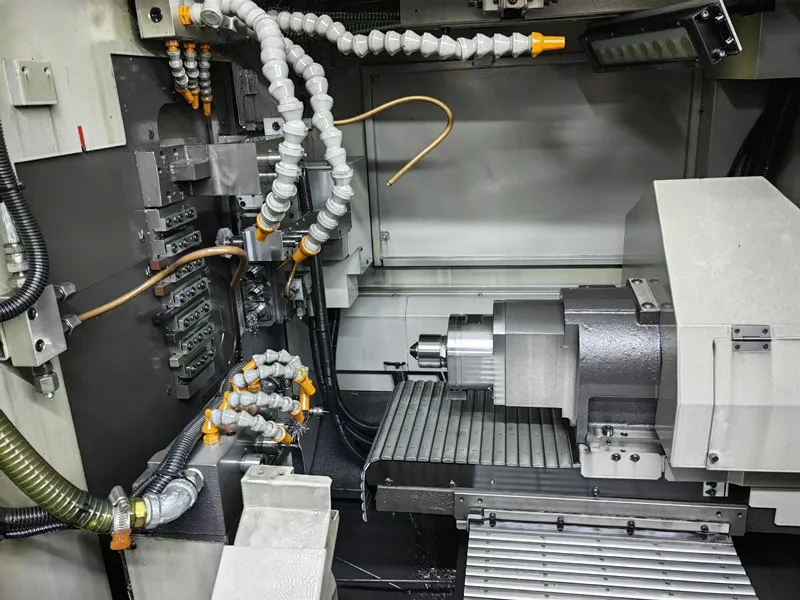
How Digital Transformation is Shaping CNC Machining and Advanced Manufacturing
In the modern industrial landscape, manufacturing is no longer confined to the physical act of producing components; it has evolved into a highly sophisticated, technology-driven ecosystem. Industries ranging from aerospace and medical devices to automotive and robotics demand not just high-quality parts, but precise, efficient, and scalable solutions. In this context, CNC machining and Swiss-style machining have become central to meeting stringent industrial standards, while digital transformation is redefining the way manufacturers plan, produce, and deliver products.
The Convergence of Precision and Digital Technology
Manufacturing precision parts has always been a challenge. Traditional methods such as casting or forging often fall short when components require micron-level tolerances, complex geometries, or high repeatability. The advent of Computer Numerical Control (CNC) machines revolutionized the industry by providing programmable, automated precision capable of producing highly intricate parts consistently.
Moreover, digital workflows have become indispensable. CAD (Computer-Aided Design) and CAM (Computer-Aided Manufacturing) integration allows engineers to simulate and optimize machining processes before material is even cut. These systems reduce trial-and-error, minimize material waste, and ensure that final parts meet exact specifications. As manufacturers adopt Industry 4.0 principles, connected machinery and IoT sensors offer real-time monitoring and data collection, further improving quality assurance and predictive maintenance capabilities.
Swiss Machining: Precision at the Micro Level
Among the technological advancements shaping the future of precision manufacturing, Swiss machining stands out for its ability to produce extremely small, complex components with high accuracy. Initially developed for the Swiss watchmaking industry, Swiss-style lathes have been adapted across multiple sectors, particularly in aerospace, medical devices, and high-performance electronics.
The unique design of a Swiss lathe allows the workpiece to remain supported very close to the cutting tool, reducing deflection and vibration. This precision is critical for components with fine features, tight tolerances, and demanding surface finishes. By integrating Swiss machining into their production strategy, companies can achieve:
- Micron-level accuracy across high-volume and low-volume production
- Reduced need for secondary operations, such as finishing or assembly
- Higher repeatability and consistency, essential for regulated industries
One company at the forefront of this advanced manufacturing approach is Falcon CNC Swiss, a specialist in high-precision CNC and Swiss machining. Their expertise spans multiple industries, offering tailored solutions to meet the increasingly complex demands of modern engineering.
Bridging Manufacturing with Digital Platforms
In addition to precision hardware, digital platforms play a pivotal role in modern manufacturing. The integration of ERP (Enterprise Resource Planning), MES (Manufacturing Execution Systems), and real-time machine monitoring enables a seamless workflow from design to production. Manufacturers gain the ability to:
- Validate designs and simulate production processes digitally
- Optimize toolpaths for efficiency and surface quality
- Track every production step for traceability and compliance
- Collect actionable data to improve future designs and processes
Digital integration also opens doors for small and mid-sized manufacturers to compete with larger firms by offering agile production capabilities, rapid prototyping, and customized solutions. The result is not only higher efficiency but also the capacity to adapt to rapidly changing market needs.
Sustainability and Smart Manufacturing
Sustainability has become a defining consideration in manufacturing. CNC machining, combined with optimized digital workflows, allows companies to:
- Reduce material waste through precise cutting and minimal scrap
- Lower energy consumption by improving machine utilization
- Support lean manufacturing and just-in-time production strategies
Moreover, smart manufacturing technologies enable predictive maintenance, reducing unplanned downtime and extending machine life. Collectively, these innovations create more sustainable, environmentally responsible operations without compromising precision or output.
Strategic Partnerships and Service Expertise
Selecting the right machining partner is as critical as the technology itself. Companies seeking reliability, quality, and innovation should evaluate potential partners based on several factors:
- Range of capabilities: From standard CNC machining to Swiss machining and value-added finishing
- Material expertise: Stainless steel, titanium, aluminum, specialty alloys, and high-performance plastics
- Quality systems: ISO certifications, precision measurement equipment, and comprehensive inspection protocols
Scalability and flexibility: Ability to transition from prototyping to full-scale production efficiently
For businesses looking to leverage a full suite of advanced manufacturing services, Falcon CNC Swiss Services represents a benchmark in engineering precision and reliability. Their team combines technical expertise, engineering insight, and a collaborative approach to help clients bring complex designs to life while ensuring the highest standards of quality and efficiency.
Trends Driving the Future of Machining and Manufacturing
- High-Mix, Low-Volume Production
Modern manufacturers increasingly face demand for custom, low-volume production runs. Flexible machining solutions, such as CNC and Swiss machining, allow companies to produce specialized components quickly and accurately without incurring prohibitive tooling costs.
- Lightweight and High-Performance Materials
Industries like aerospace and electric vehicles demand components made from lightweight, high-strength materials. Machining these materials requires advanced tooling, precise control, and careful process optimization to prevent defects such as chipping or work hardening.
- Regulatory Compliance and Traceability
Medical, aerospace, and defense industries demand meticulous documentation, testing, and traceability. CNC and Swiss machining, when paired with robust quality systems and digital tracking, ensure components meet or exceed regulatory requirements.
- Digital Twin and Simulation Technologies
Digital twin technology enables manufacturers to model, simulate, and optimize their machining processes virtually. This approach allows for predictive maintenance, reduces setup errors, and improves overall operational efficiency, positioning companies to respond dynamically to market changes.
Embracing Industry 4.0 in Manufacturing
The convergence of precision machining and digital technologies under the Industry 4.0 framework is reshaping modern manufacturing. Smart factories, interconnected systems, and real-time analytics are no longer optional—they are prerequisites for competitiveness. Manufacturers who embrace these innovations can:
- Reduce production cycles while maintaining high quality
- Achieve traceable, repeatable results for every component
- Respond flexibly to custom orders and evolving industry standards
- Minimize waste and energy consumption through optimized processes
By leveraging CNC machining, Swiss-style machining, and advanced digital workflows, companies position themselves to meet both current demands and future challenges in manufacturing.
Conclusion
Precision manufacturing is no longer just about producing parts; it’s about integrating technology, engineering expertise, and strategic partnerships to deliver solutions that drive innovation. CNC machining, particularly Swiss machining, combined with digital workflow integration, is enabling manufacturers to produce highly complex, precise, and scalable components efficiently.
Companies that invest in these technologies, and work with expert partners such as Falcon CNC Swiss, gain a decisive advantage in quality, speed, and flexibility. Their comprehensive Services showcase how engineering precision, process optimization, and collaborative problem-solving come together to support industries ranging from aerospace and medical devices to automotive and robotics.
For manufacturers seeking to elevate production capabilities, embrace digital transformation, and achieve unmatched precision, partnering with an advanced machining specialist represents a critical step toward operational excellence and sustained competitiveness.


Leave a Reply