
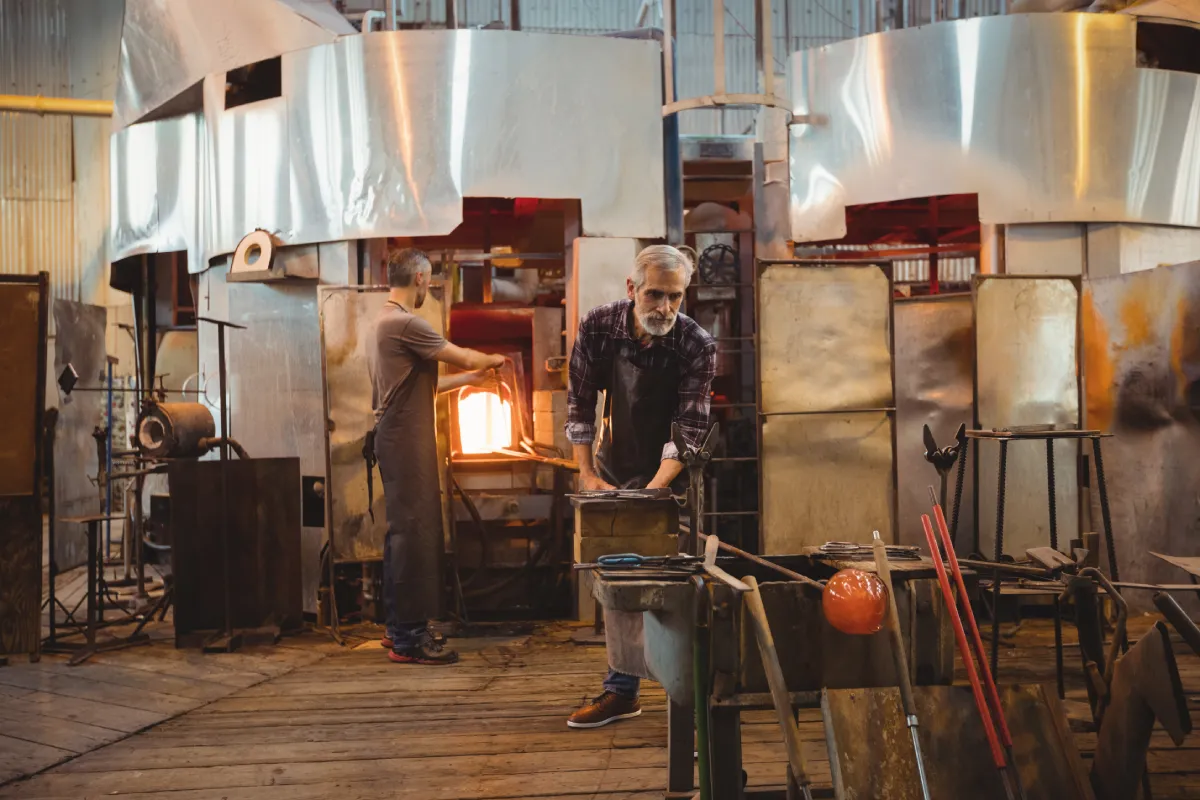
How Gray Cast Iron Foundry Supports the Different Sectors
For the past couple of years, gray cast iron has been an important part of manufacturing. Even more so, constant background and workability for extreme-environment applications still form a core of the many domains it serves. As technology and infrastructure evolve, the material remains relevant in key features such as large structural components and assemblies exposed to heat, vibration, and other environmental abuse. Central to any industry, a modern gray cast iron foundry today delivers parts that ensure functionality, safety, and continuity of production. Directly and indirectly, its influence is clearly visible in the automotive, construction, and energy sectors, where this material actively supports different industrial operations.
Use of Gray Cast Iron in the Automotive Industry
The automotive industry has always been about materials that are highly reproducible, stable, and predictable over time. The automotive sector still uses one of these materials, gray cast iron, in engine performance zones, brake systems, and structural components.
1. Engine Components and Thermal Stability
Within the confines of an engine, all three of these issues (heat, pressure, and vibration) exist, so the materials have to be able to mitigate these challenges to avoid potential failure.
To support this requirement, gray cast iron has a natural vibration-damping characteristic and retains shape through thermal cycling. A gray cast iron foundry usually pours engine blocks, cylinder heads, and housings, as the material controls expansion and controls the internal alignment of the parts better than other cast metals.
Though vehicle segments are leaning toward lighter materials, gray cast iron remains entrenched in heavy-duty, commercial, and long-hours engines. Its microstructure imparts some stability to minimize fatigue and prolong service life.
2. Brake Components and Safety
Certainly, the braking must deliver the stopping power you anticipate while resisting wear. In the olden days, cast iron was gray cast iron for the bulk of brake rotors and drums because it exhibited a usefully consistent level of thermal behavior and frictional behavior. These components require consistent braking performance at both low and high temperatures, which is paramount, and the material matches this requirement by spreading the heat onto the surface.
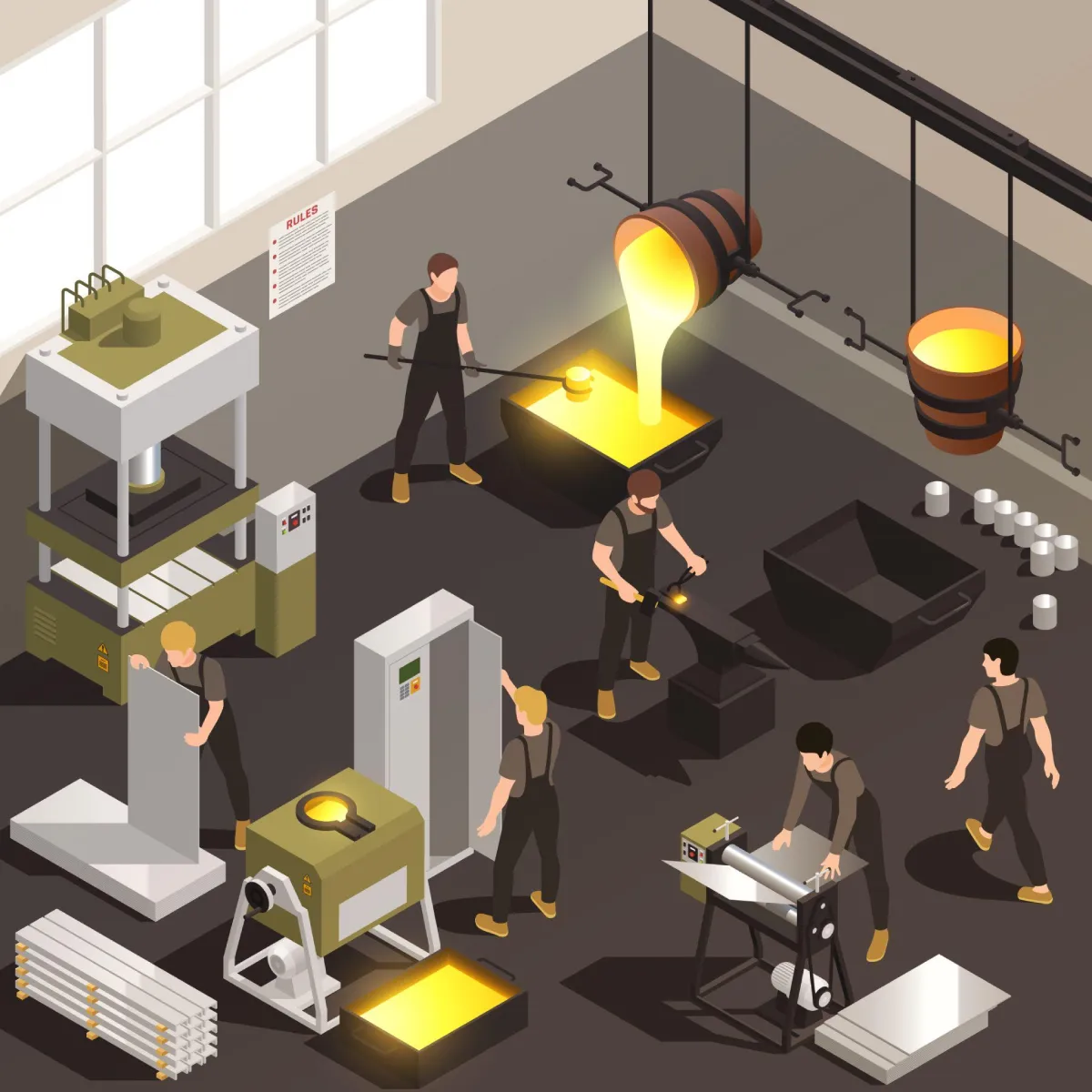
From a gray cast iron foundry, automotive manufacturers can count on high volumes of uniform castings and the same braking performance, even with repetition. Safety is so dependent on good braking that the ongoing use of gray cast iron speaks volumes about how confident it continues to inspire in that key department.
3. Structural and Mounting Components
Gray cast iron is often used for many automotive components that are intended to support weight or minimise vibration. Some of this does absolutely need something to support it, and it provides some movement absorption too, for instance, mount brackets, suspension parts, and steering. Gray cast iron inherently possesses good damping ability, which dampens noise and vibration, making components more comfortable and better for the life of adjacent components.
As designs become increasingly complex, those attributes make gray cast iron a more likely fit. While aluminium and composites have slowly moved into increasingly non-mission-critical areas over the years, in mission-critical applications, gray cast iron has relied on its inherent stability and wear resistance.
Gray Iron for Construction
The design of construction machines and buildings requires them to be hard, firm, and enduring for a long time. This segment supports gray cast iron for industrial practices, drainage, pipe fittings, and architectural components.
1. Machinery and Heavy Equipment Components
Construction tools are typically used for long periods in harsh environments. The use of gray cast iron means that gear housings, counterweights, and frames can be exercised, exercised, and exercised again without permanent deformation under load. It deals with surface erosion due to cyclic mechanical contact and provides support for other components of machines like excavators, loaders, and compactors.
Construction is sensitive to downtime as it slows down the project timelines, and so this means that reliable and predictable materials are still needed. Gray cast iron is durable, which means fewer surprises and longer-running machinery.
2. Pipes, Fittings, and Drainage Systems
Drainage and piping systems are critical aspects of urban and commercial construction and leave little room for failure as the dynamic movement of water, soil pressure, and other factors continue to maintain pressure on systems, even long after construction is completed.
Its mass and density, both of which counteract motion induced by the mass and density of other land. Such reliability leads to the use of gray cast iron in long-term infrastructure, including sewage lines, stormwater systems, and building drainage networks.
3. Architectural and Structural Elements
In fact, gray cast iron has also had a role within architectural design across history. Cast-iron columns, decorative railings, and façade pieces of many buildings built in previous centuries still exist today. While grey cast iron now belongs only in modern buildings, it is used in areas such as precast structural supports.
Ductile Iron in the Energy Sector
There are numerous applications this industry can cover, from power generation to resource extraction. In such operations, a gray cast iron foundry underpins equipment subject to heat, pressure, and mechanical wear. The same reason makes it the go-to material for several components, as it can work consistently.
1. Power Generation Equipment
Parts in thermal and hydroelectric power plants work under repetitive mechanical action. Due to its reliability under stationary loads and vibration, gray cast iron finds application in many turbine housings, pump casings, valve bodies, and bearing supports. Because of this, it is also used in heat exchangers and boiler parts.
A gray cast iron foundry provides the strength and stability needed for these components, as the material has great form stability, even when in constant heat cycles, so that equipment can maintain its shape.
2. Applications for Oil, Gas, and Renewable Energy
Gray cast iron is also used in the oil and gas operational setting, mainly for use as pump housings, compressor parts, and valve casings. These are the areas that handle the pressure of the fluid and constant movement, and need corrosion-resistant, wear-resistant materials that maintain a constant internal dimension.
For instance, in renewable energy applications for wind turbines, gray cast iron is still supporting many components that are constantly rotated or vibrated, such as those in biomass plants!
Final Words
Gray cast iron remains an important material in automotive, construction, and energy; its combination of stability, ease of machining, and wear resistance is suitable for parts subjected to typical mechanical and thermal abuse. Whether it is an engine block, drainage pipe, a power plant apparatus or any other tried and true application, the material has once more proven itself to be durable and time-tested. If you need grey cast iron foundry castings designed and built to the technical specifications of your industry, AKP Ferrocast is the solution in hand for the finest machining components.


Leave a Reply