
How to Build a Workplace Employees Want to Stay In
An employee retention strategy that genuinely reduces labour turnover is essential in today’s competitive talent market. Recent surveys of C-suite leaders show that employees now rank above shareholders in importance, highlighting the centrality of people to organisational success.
A strong retention strategy enables organisations to retain high-performing talent, reduce the costs of hiring and training replacements, and preserve valuable institutional knowledge. More importantly, it supports a stable and productive workplace where employees can consistently perform at their best.
In this article, we outline eight practical steps to help you build a successful employee retention strategy.
8 Useful Employee Retention Strategies For Building Long-Term Team Stability
While external factors such as market trends and personal circumstances will always influence turnover, the internal environment you create plays a major role in whether employees choose to stay.
Here are 8 practical strategies to help you retain your most valuable people:
1. Develop a Positive Organisational Culture
A strong workplace culture is one of the biggest reasons employees choose to stay or leave. Before making improvements, organisations need a clear understanding of their existing culture. Without that insight, efforts to strengthen it may fall short.
You can assess organisational culture through:
- Employee engagement surveys followed by focus groups led by external facilitators
- Reviewing employee feedback on platforms such as Glassdoor
- Revisiting the organisation’s mission and value statements
- Including culture-focused questions in exit interviews
It’s important to evaluate both formal and informal culture. Formal culture is reflected in official statements, policies, and values. Informal culture, often more influential, is expressed through everyday behaviours, norms, and team dynamics.
Oliver Baker, the Managing Director of AI Development Agency, QuantumXL, says, “I learn early that people don’t leave because of work, they leave because of friction. In a previous agency I co-founded, we moved fast but ignored small signals, unclear expectations, slow decisions, and feedback that arrived too late. When I started QuantumXL in 2024, I designed a culture around reducing daily strain, not slogans. We make roles explicit, limit meetings, and push decisions to the person closest to the work. Every fortnight, we remove one process that wastes time or energy. When work feels fair, focused, and predictable, people don’t look for exits.”
Once you’ve gathered insights, you can design initiatives to strengthen your workplace environment. These may include:
- Leadership development programmes
- Psychological safety training
- Team-building activities or retreats
- Policy updates or refreshed company values
- Employee resource groups
When culture is intentional, aligned, and supported at every level, it becomes a powerful driver of retention.
2. Design an Effective Onboarding Experience
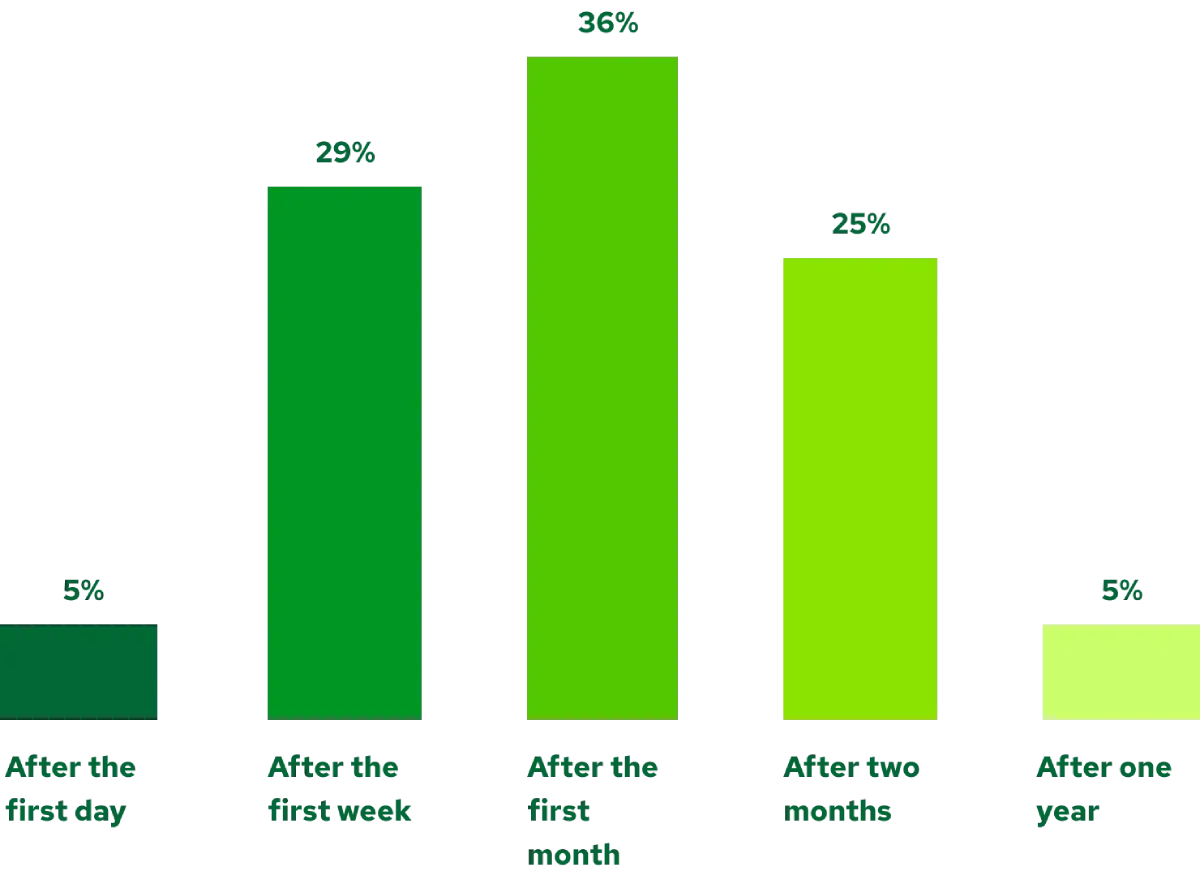
Onboarding plays a decisive role in retention. About 70% of employees decide within their first 30 days whether they plan to stay long-term. A thoughtful onboarding experience sets the tone for the entire employee journey, and many companies now rely on structured employee onboarding videos to deliver consistent training from day one.
Many organisations now enhance this process by using an AI video maker to create structured welcome messages, culture introductions, and training content, ensuring every new hire receives a consistent and engaging start.
Onboarding is especially important for remote employees, who may otherwise feel disconnected or unsupported. Organisations with strong onboarding processes improve new-hire retention by about 82%.
For new employees, strong onboarding helps them:
- Become effective in their role more quickly
- Feel valued and included
- Connect with the organisation’s purpose, values, and culture
For line managers, onboarding provides the opportunity to:
- Build an early connection with their team member
- Identify strengths and areas for development
- Establish trust and clear communication
For the organisation, effective onboarding improves time-to-productivity and ensures new hires can contribute sooner. When employees receive clear expectations, practical resources, and meaningful support, they are more likely to perform confidently and remain committed.
To create an effective onboarding experience:
- Treat onboarding as an ongoing process, not a one-week checklist
- Use onboarding platforms and digital tools to streamline the experience
- Maintain consistency with structured checklists and progress tracking
When onboarding is structured, supportive, and continuous, employees are more likely to feel confident, integrated, and committed to long-term success within the organisation.
3. Improve Line Management Skills
The relationship between an employee and their line manager is one of the strongest predictors of retention. Research from Boston Consulting Group shows that employees who are very satisfied with their managers experience a 72% lower attrition rate than those who are very dissatisfied.
Line managers are responsible for implementing key people policies, including absence management, flexible working, and performance reviews. They also have the most regular interaction with employees, which makes their influence significant. Given this responsibility, managers must possess the right skills and confidence to lead effectively.
To strengthen line management:
- Provide structured training on organisational policies and procedures.
- Develop leadership and interpersonal skills.
- Build capabilities in coaching, feedback delivery, and performance management.
When managers know how to guide and motivate their teams, engagement improves, productivity increases, and turnover declines. Strong management reduces the need for repeated recruitment and retraining, which protects both resources and morale.
4. Prioritise Employee Wellbeing
Organizations that embed well-being in their culture see a 10% higher retention rate. Investment in employee well-being has a measurable financial impact. Although research is still developing, early findings suggest a clear return on investment, particularly through reduced turnover and absenteeism.
Poor well-being often leads to increased labour turnover. Employees may leave due to physical or mental health challenges, or because another organisation offers better support, such as flexible working arrangements. The costs of turnover linked to ill health include recruitment expenses, temporary staffing coverage, and training new hires.
Adopt a Holistic Approach
Well-being should not consist of isolated initiatives. While programmes such as healthy-eating campaigns or smoking-cessation support are helpful, they are not enough on their own.
A holistic wellbeing strategy considers the full range of influences on employee health, including:
- Physical wellbeing
- Mental and emotional health
- Financial wellbeing
- Workplace environment
- Organisational culture
Developing a holistic wellbeing strategy requires a clear vision and execution plan. This should be supported by a formal wellbeing policy that outlines the dimensions of wellbeing the organisation commits to addressing. Clear payroll processes, transparent compensation structures, and timely invoice payments for contractors all contribute to financial stability and reduce unnecessary stress.
The Role of Managers in Wellbeing
Managers play a critical role in supporting mental health at work. However, many feel unprepared to handle sensitive conversations.
To strengthen support systems:
- Train managers to conduct open, respectful conversations about wellbeing.
- Develop coaching skills and psychological safety practices.
- Help managers understand how their leadership style impacts employee mental health.
When managers are equipped to create supportive, psychologically safe environments, employees feel more secure, valued, and motivated to remain with the organisation.
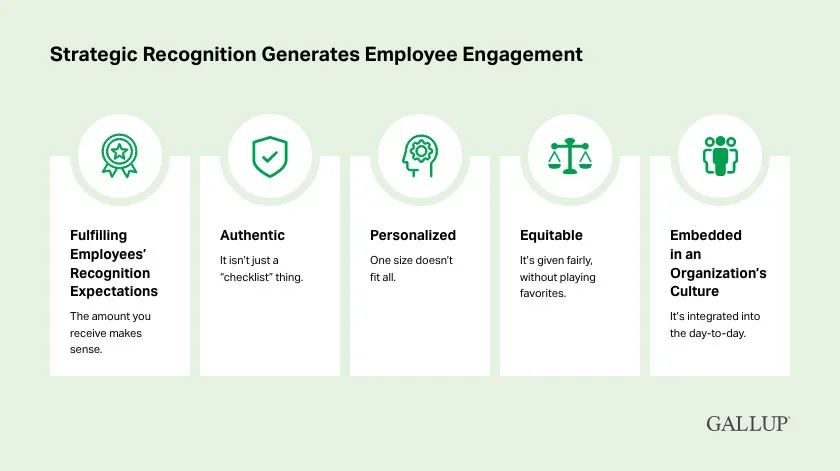
5. Build a Culture of Recognition
Recognition plays a powerful role in employee engagement and retention. When employees feel their efforts go unnoticed, they are more likely to leave, potentially resulting in the loss of valuable talent.
On the other hand, employees who are acknowledged for positive contributions are more likely to repeat those behaviours, strengthening performance and productivity across the organisation.
Employees who receive strong recognition are about 45% less likely to leave within two years.
Creating a culture of recognition helps build a workplace where employees feel valued and motivated to contribute. This can improve morale and encourage people to bring their best to work each day.
A formal recognition scheme can support this effort. These programmes often include structured nominations, award tiers, and central oversight. However, a recognition scheme alone is not enough to create a true culture of appreciation.
Managers must make everyday recognition part of their leadership approach. Simple, consistent actions, such as thanking employees for strong work, acknowledging milestones, and offering specific praise, can have a meaningful impact. Recognition should not only occur when something goes wrong; it should be a regular part of effective management.
6. Offer Learning and Skill-Building Opportunities
Developing your workforce creates long-term value for the organisation. From early-career employees to future leaders, investing in learning helps build capability, strengthen engagement, and support retention—especially during periods of skills shortages.
Access to development opportunities enables employees to expand their knowledge and grow professionally. This not only benefits individuals but also strengthens the organisation’s talent base, making it more adaptable.
Organisations may invest in learning to stay competitive, close skill gaps, or implement initiatives such as leadership development programmes.
For those looking to manage costs, alternatives exist beyond simply reducing training budgets. Online learning platforms, peer learning, mentoring, and informal development opportunities can deliver strong results with greater flexibility.
Whatever approach is chosen, it is important to:
- Select delivery methods suited to employee needs and learning styles.
- Align development initiatives with business objectives.
- Evaluate outcomes to ensure value and measurable impact.
When learning is treated as a strategic investment rather than an expense, it supports both employee growth and organisational performance.
7. Investigate All Possible Flexible Work Options
The shift to remote work during the COVID-19 crisis significantly changed attitudes toward flexibility. What began as a temporary solution has now become a long-term expectation for many employees.
In response, organisations have adopted remote, hybrid, and other flexible arrangements to better align with evolving workforce preferences and business needs.
Flexible options may include compressed hours (working full-time hours over fewer days), annualised hours (a set number of hours per year with defined core periods), job sharing, and flexible start and finish times. These arrangements allow employees to structure their work to better support their personal responsibilities and well-being.
As individuals place greater importance on physical and mental health, offering flexibility is one of the most direct ways employers can support a healthy work–life balance. When employees feel trusted to manage their schedules, loyalty, engagement, and long-term commitment to the organisation often increase.
8. Develop Meaningful Communication Between the Organisation and Employees
Teams with low engagement experience turnover rates 18%–43% higher than highly engaged teams. Open, two-way communication is essential for building trust and maintaining transparency, particularly during periods of change or uncertainty.
Organisations should regularly collect information on business performance, strategy, and future plans, and create structured opportunities for employees to provide feedback and ideas. Leveraging the benefits of CRM can further strengthen internal communication and transparency.
Similarly, using project management software helps teams track responsibilities, monitor progress, and maintain clarity on shared goals, reducing confusion and improving accountability across departments. With shared visibility into customer data and performance metrics, leadership and teams can align strategies more effectively, reduce miscommunication, and ensure everyone works with accurate, real-time insights.
Consistent communication can lead to:
- Higher motivation and commitment
- Better problem-solving
- Stronger decision-making
- Greater understanding of change initiatives
- Improved trust and working relationships
Management representatives should provide updates on key areas, including organisational performance, strategic planning, structural changes, policy updates, economic developments, health and safety matters, and equal opportunity initiatives.
Department-level communication is equally important to ensure teams understand local changes and expectations.
When communication is lacking, uncertainty grows and productivity may decline. However, when employees feel informed and heard, they are more likely to feel valued and connected to the organisation, thereby strengthening overall retention.
Looking Ahead
Building a successful employee retention strategy is an ongoing process, not a one-time initiative. What works for one organisation may not work for another, so it is important to review your strategy regularly and adjust as needed.
Above all, involve your most important asset, your people. Listening to their experiences, needs, and ideas ensures your retention efforts remain relevant, practical, and effective over time.


Leave a Reply