

How to Implement Workplace Transformation for Maximum Productivity
Workplace transformation has become essential for businesses adapting to modern demands. As teams spread across remote setups, hybrid models, and work flexibly in shifts, traditional ways of working no longer support the speed or flexibility companies need to stay productive.
Leaders today face a clear challenge: how to create work environments that improve performance without adding complexity. Many teams still operate with manual scheduling, fragmented systems, or outdated workflows that slow things down and frustrate employees.
A successful transformation doesn’t rely on technology alone. It requires a thoughtful shift in how people are scheduled, how tasks are structured, and how teams are supported—whether they’re behind a desk or on the floor.
In this article, we’ll break down what workplace transformation looks like for teams aiming to achieve maximum productivity in 2026 and how businesses can implement it to drive real, measurable results.
Leveraging Workplace Transformation for Improved Productivity
1. Set a Clear Vision and Metrics for Transformation
Workplace transformation starts with clarity. Before adjusting tools or workflows, businesses need to define what “productivity” means for their team and how they’ll measure success.
A service-based business might focus on response times. Shift-driven teams may target output per hour or reduced downtime. Those teams often prioritize deep work and fewer interruptions. Your definition should reflect how your team actually works and align with goals like cost savings, growth, or retention.
Productivity also ties directly to employee experience. A system that boosts output but causes burnout or turnover isn’t sustainable. A balanced approach considers performance and well-being.
Once defined, track productivity with meaningful metrics. Common examples include output per hour, turnaround time, and engagement scores.
According to Gallup, only 21% of employees were engaged in 2024—highlighting the need to track both results and morale.
Employee experience metrics like retention, satisfaction, and internal mobility provide context behind performance shifts. If output rises but absenteeism increases, it may signal workload issues.
Clear metrics turn transformation into an ongoing process. They help identify what’s working, what needs fixing, and how to keep progress on track.
2. Redesign Work Processes and Structures
Translating your workplace transformation strategy into daily execution starts with rethinking how work flows across teams. That means simplifying what slows people down and building in flexibility that supports both shift-based and remote workers.
Simplify and Standardize Workflows
Constant interruptions and unclear processes reduce productivity. According to Microsoft’s 2025 Work Trend Index, workers are interrupted every two minutes on average during core hours. To reduce this friction:
- Map key workflows to identify bottlenecks and repeated tasks.
- Standardize processes so teams follow consistent steps across departments.
- Eliminate unnecessary steps like duplicate approvals or manual updates.
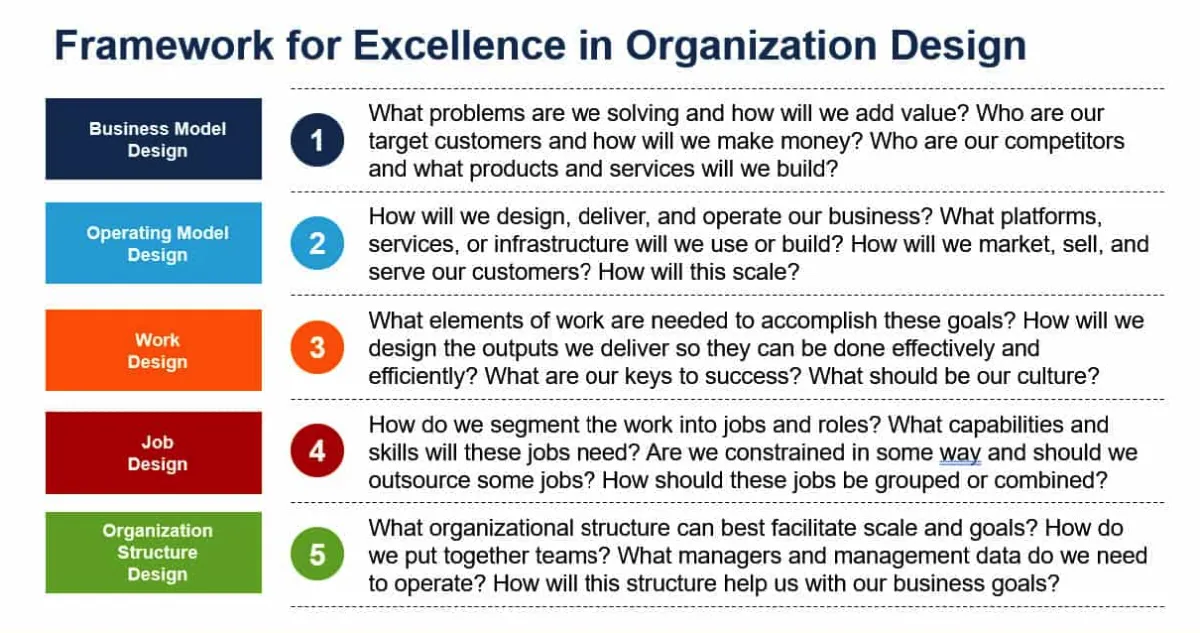
Flexibility and Shift Optimization
Rigid schedules limit performance. Flexibility supports focus, balance, and output. Ideally:
- For shift-based teams, rethink how shifts are planned and adjusted. Align staffing with real-time demand and reallocate when gaps arise.
- For online or hybrid teams, set clear collaboration hours and asynchronous workflows to prevent time-zone misalignment.
- Consider a weekly staffing check-in to review demand, coverage, and upcoming workload needs.
Redesigning work is all about creating systems that support people in doing their best work every day.
3. Optimise Staff Scheduling & Workload Management
Poor scheduling leads to overworked staff, inconsistent coverage, and higher turnover. Whether you’re managing shift-based teams or coordinating remote workers, effective scheduling is essential for consistent productivity.
Start by understanding your team’s preferences, availability, and peak performance hours. Balance these with your business needs, especially during high-traffic periods. Use historical data to align shifts with demand and ensure tasks are distributed fairly. This reduces burnout and increases accountability.
Make schedules accessible and allow reasonable flexibility. Establish clear policies for shift swaps, time-off requests, and last-minute changes. Staying compliant with labor laws is also non-negotiable—your system should track hours, breaks, and potential violations in real time.
Scheduling software like Homebase can support this effort by helping teams build and manage schedules that consider availability, shift history, and workload balance. Its real-time visibility and smart alerts help managers reduce guesswork while maintaining fairness across shifts.
4. Transform the Workplace Environment (Physical & Virtual)
A well-designed work environment directly impacts focus, morale, and output. Whether your team works on-site or remotely, the goal is the same: eliminate friction and support people to do their best work. In this effort, tools that streamline routine tasks, including Google Workspace automation, help reduce small daily barriers and keep attention on meaningful work.
Designing Spaces (or Virtual Equivalents) for Productivity
For physical workplaces, layout, lighting, and noise control matter. Research shows that thoughtfully designed office spaces can improve productivity by up to 33%. Consider quiet zones for deep work and collaborative areas for group tasks.

For remote or hybrid teams, ensure virtual setups support collaboration and handoffs. Use shared calendars, time zone–friendly meeting slots, room booking software, and asynchronous tools to maintain momentum without burning people out.
AI-native development platforms smoothly can also automate repetitive tasks, manage projects, and provide predictive insights to further streamline operations.
Enable the Right Tools, Habits, and Culture
Transformation is not just about tools. It’s about reinforcing the right behaviors. Equip your teams with communication platforms, scheduling systems, and shared dashboards. Train them to use these tools efficiently and support ongoing learning.
This is also where structured corporate training becomes essential. LMSs sit at the core of modern training strategies, helping companies standardize skills, streamline learning pathways, and ensure teams actually adopt new ways of working.
Small cultural touches make a difference, too. Offering custom-branded hoodies or sweatshirts can build team spirit and create a sense of belonging, even across locations. Try platforms like Printful to send employee merchandise that boosts motivation and engagement.
5. Change Management & Continuous Improvement
A successful workplace transformation works like a practical playbook. It starts with alignment, moves through controlled testing, and becomes stronger through consistent refinement.
Align the right people early
Bring business owners, HR leaders, and operations managers into the process from day one. Make the purpose clear, explain how changes will support employees, and keep communication open so everyone understands the direction.
Pilot before you scale
Test new workflows or scheduling approaches with a single team or shift group. Use the productivity and engagement metrics you defined earlier to measure what improves, what stalls, and what needs adjustment. Small pilots reduce risk and reveal insights faster.
Review, refine, and repeat
Set a recurring cadence to check performance. Review schedules, workloads, processes, and employee feedback tools. Adjust based on the data, standardize what works, and share wins so teams stay motivated.
This ongoing cycle transforms change from a one-time initiative into a continuous improvement engine that empowers teams to act, adapt, and contribute to better ways of working.
Make Workplace Transformation a Practical Advantage
There’s no one-size-fits-all strategy for workplace transformation. What matters is making it work for your people, your processes, and your goals. From defining productivity to redesigning workflows and building smarter schedules, each step should support better focus, smoother collaboration, and stronger outcomes.
Your workplace—whether it’s a shop floor, remote team, or hybrid setup—should empower people to do their best work. That means listening to feedback, adapting based on real data, and making small improvements that add up over time.
The best transformations don’t feel forced. They remove friction, create clarity, and give employees the tools and support to thrive. Start where you are, test what works, and keep improving. Your team will feel the difference—and so will your bottom line.


Leave a Reply