
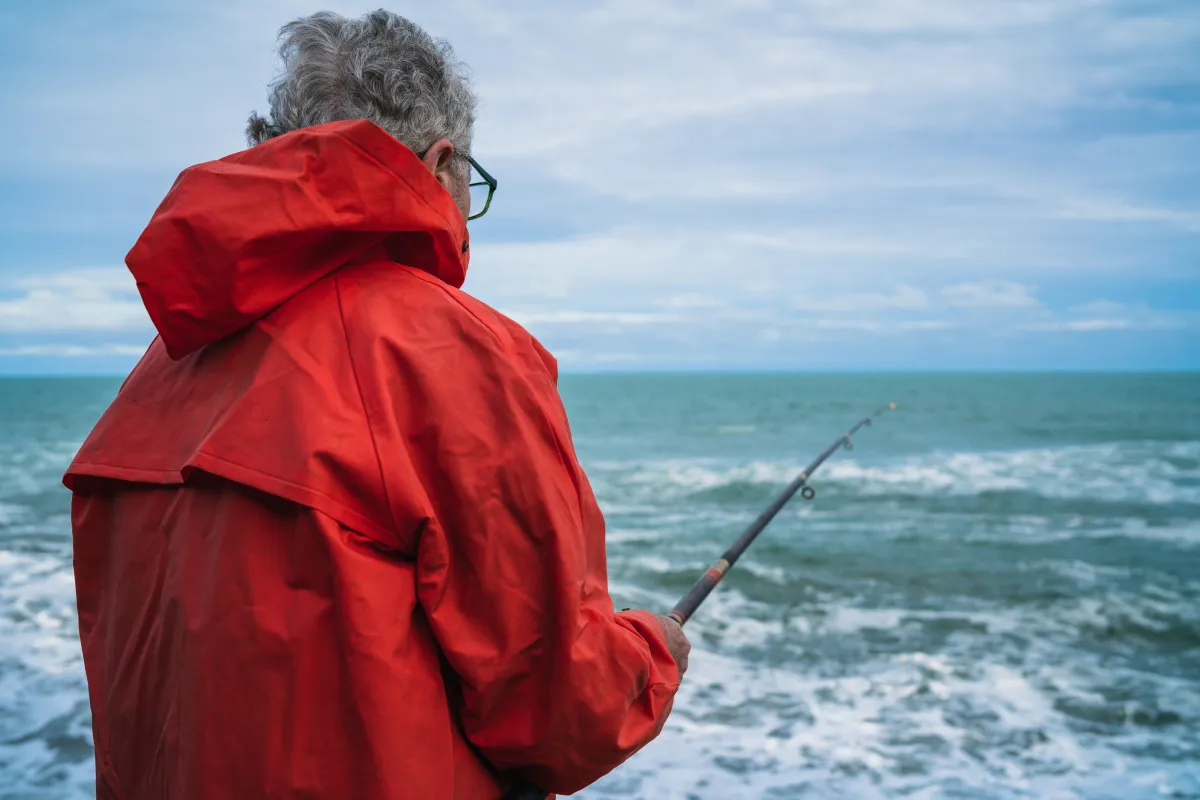
How Weather and Water Conditions Affect Fishing Success
Fishing success is rarely just about luck—it’s heavily influenced by environmental factors such as weather and water conditions. Experienced anglers understand that fish behavior changes depending on temperature, light, wind, and water clarity. By learning how these elements interact, you can significantly improve your chances of making a successful catch.
Whether you’re fishing in freshwater lakes or coastal saltwater environments, paying attention to conditions before and during your trip can make all the difference.
The Role of Water Temperature
Water temperature is one of the most important factors affecting fish activity. Fish are cold-blooded, meaning their body temperature is influenced by their surroundings. As a result, their metabolism and feeding patterns change with the temperature of the water.
In warmer water, fish tend to be more active and feed more frequently. However, extremely high temperatures can drive fish to deeper, cooler areas. In colder conditions, fish often become slower and less likely to chase bait.
Many anglers improve their results by combining this knowledge with real-time updates and community-shared insights. Resources connected to events and coastal activity, like fishing thunderonthegulf, often highlight how changing conditions influence fish behavior in specific regions. Staying informed like this helps anglers adjust their approach based on current conditions rather than guesswork.
How Weather Impacts Fish Behavior
Weather conditions play a major role in fishing success. Factors such as sunlight, cloud cover, wind, and atmospheric pressure all influence how fish behave.
Overcast days are often ideal for fishing because reduced sunlight makes fish feel safer and more willing to feed near the surface. Bright, sunny conditions, on the other hand, may cause fish to move to deeper or shaded areas.
Wind can also improve fishing conditions by creating movement in the water, which can stir up food sources and make fish more active. However, strong winds can make fishing more difficult and less predictable.
The Importance of Water Clarity
Water clarity affects how fish see and respond to bait. In clear water, fish can easily spot lures, which means anglers may need to use more natural-looking bait and lighter fishing lines.
In murky or stained water, fish rely more on vibrations and scent than sight. This is when brightly colored lures or those that create movement in the water can be more effective.
Water clarity can change due to weather events such as rain, which may introduce sediment into lakes or rivers, affecting visibility and fish behavior.
Tides and Currents in Saltwater Fishing
For those fishing in coastal or ocean environments, tides and currents are critical factors. Fish often follow tidal movements because tides influence the availability of food.
Incoming tides can bring baitfish closer to shore, attracting larger predator fish. Outgoing tides may concentrate fish in specific areas where food is being carried away.
Understanding tidal cycles can help anglers plan their trips more effectively and increase their chances of success.
Seasonal Changes and Fish Patterns
Different seasons bring different fishing conditions. In spring, fish are often more active due to spawning behavior. Summer can push fish into deeper, cooler waters, while fall often triggers increased feeding as fish prepare for winter.
Winter fishing can be more challenging, as fish tend to move slower and conserve energy. However, with the right techniques, it can still be productive.
Adapting your fishing strategy to seasonal patterns is essential for consistent results throughout the year.
Barometric Pressure and Fishing Success
Barometric pressure, which is related to weather systems, also affects fish behavior. Stable or slightly falling pressure often leads to better fishing conditions, as fish tend to be more active.
Rapid changes in pressure—such as those before a storm—can make fish less predictable. After a storm passes and conditions stabilize, fish often resume feeding more actively.
Many experienced anglers monitor weather forecasts and pressure trends to plan their fishing trips around optimal conditions.
Choosing the Right Time to Fish
Timing is another key factor influenced by weather and water conditions. Early morning and late evening are often the best times to fish because temperatures are cooler and light levels are lower.
During these periods, fish are more likely to be active and feeding. Midday fishing can be more challenging, especially on bright, sunny days when fish seek deeper or shaded areas.
By aligning your fishing schedule with favorable conditions, you can improve your overall success.
Understanding Nature Improves Results
Fishing is as much about understanding nature as it is about technique. Weather patterns, water temperature, clarity, and seasonal changes all play a role in how fish behave.
Anglers who take the time to observe and adapt to these conditions often experience better results than those who rely solely on luck.
Turning Knowledge Into Success
By learning how weather and water conditions affect fish activity, you can make more informed decisions about when and where to fish. Whether it’s choosing the right bait, adjusting your technique, or planning your trip around ideal conditions, knowledge is one of the most powerful tools an angler can have.
In the end, successful fishing comes down to preparation, observation, and adaptability—qualities that turn an ordinary fishing trip into a rewarding experience.


Leave a Reply