

Planning a Factory Move? What Every Business Needs to Know About Relocating Industrial Equipment
A factory relocation is one of those projects that looks straightforward on paper but quickly becomes overwhelming in practice.
Between disconnecting complex machinery, transporting multi-tonne equipment across the city, and getting everything running again at the new site, there are hundreds of details that can go wrong.
The businesses that navigate this process successfully all share one thing in common. They plan thoroughly, engage the right expertise early, and treat the relocation as a precision engineering project rather than a simple moving job.
This guide walks you through the key considerations, common pitfalls, and proven strategies for relocating industrial machinery with minimal production downtime.
Why Businesses Relocate Machinery
There are dozens of reasons a business might need to move its equipment, and almost none of them are optional.
Lease expirations, facility upgrades, mergers, production line restructuring, and expansion into larger premises all create situations where heavy machinery must travel from one location to another.
Sometimes the move is as simple as repositioning equipment within the same building to improve workflow.
Other times it involves transporting an entire production line across an industrial park or to a completely new facility on the other side of the city.
Regardless of scope, every relocation shares the same fundamental challenge: getting valuable equipment from point A to point B without damaging it, injuring anyone, or losing more production time than necessary.
The Hidden Complexity Behind Every Machine Move
Industrial machinery is not like office furniture or warehouse stock. A single production machine may involve electrical systems, hydraulic lines, pneumatic connections, data cables, cooling water feeds, compressed air supplies, and precision alignments that took hours to calibrate during the original installation.
Disconnecting all of that without proper documentation creates a nightmare at the other end. Reconnecting a complex machine from memory, or worse, from guesswork, is one of the fastest ways to introduce faults that reduce performance, create safety hazards, or lead to costly breakdowns in the weeks following the move.
This is why professional machine movers follow a structured, documentation-driven process. Every connection is labelled, photographed, and recorded so that reinstallation mirrors the original setup exactly.
Starting with a Proper Site Assessment
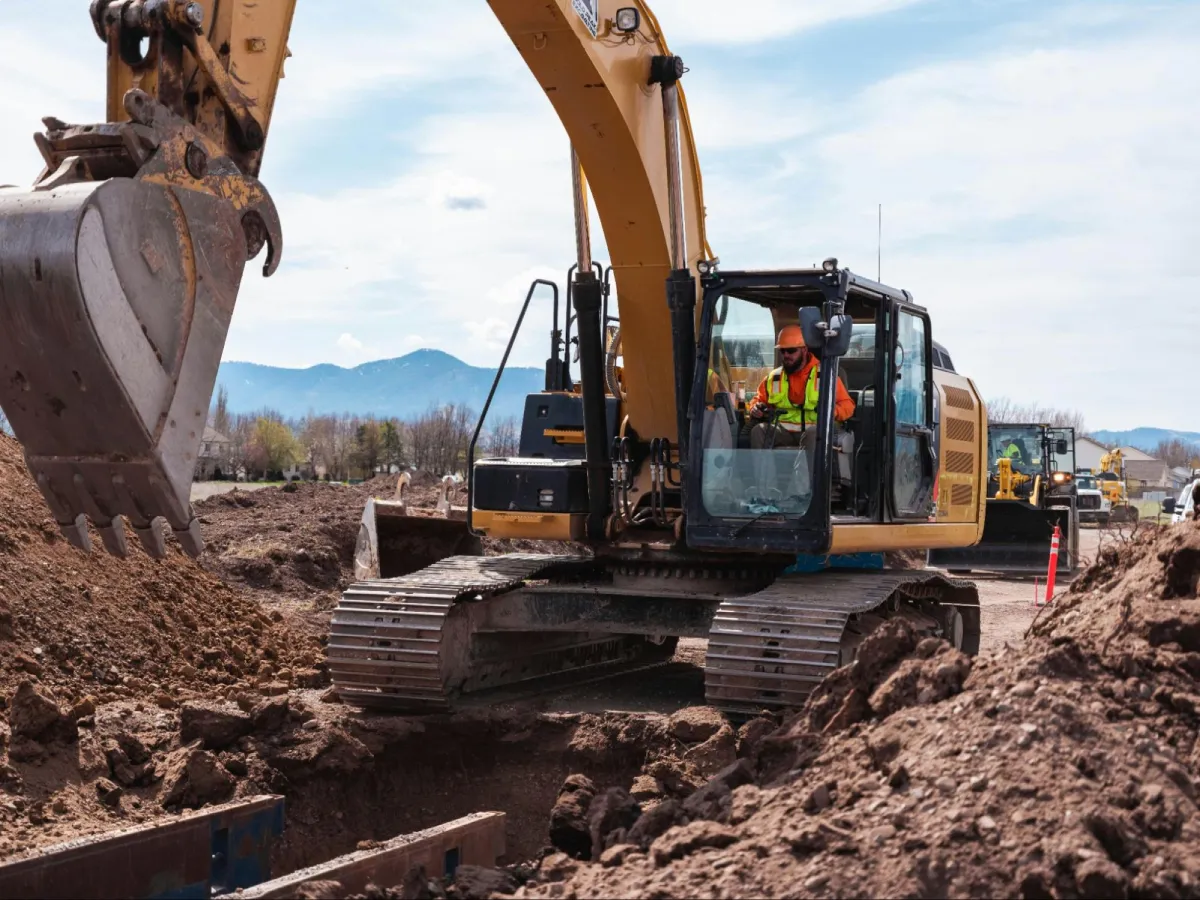
The relocation process should begin long before anyone touches a piece of equipment. A thorough site survey of both the origin and destination locations lays the groundwork for everything that follows.
At the current site, the assessment identifies the specific disconnection requirements for each machine, the order in which equipment should be moved, and any rigging challenges related to weight, size, or access constraints.
At the new location, the survey evaluates floor load capacity, ceiling heights, doorway dimensions, loading dock access, and the availability of power, water, compressed air, and drainage connections.
This dual-site assessment reveals potential problems early, when they can be solved with planning rather than improvisation on moving day.
Discovering that a critical machine will not fit through the new building’s roller door after it is already on a truck is the kind of expensive surprise that proper planning eliminates.
Creating a Detailed Disconnection Plan
Every machine in the relocation scope needs its own disconnection plan. This document specifies every electrical, mechanical, and utility connection, the sequence in which they should be disconnected, and any safety precautions required during the process.
Good disconnection plans include photographs, wiring diagrams, and reference labels that correspond to markings placed on the actual cables, hoses, and fittings.
This level of detail might seem excessive during disassembly, but it pays for itself many times over when the same machine needs to be reconnected quickly and accurately at the destination.
Rigging and Transport: Where Experience Matters Most
Moving heavy industrial equipment requires specialized rigging knowledge that goes well beyond general freight handling.
Professional-grade cranes, gantries, hydraulic jacks, skates, and rated slings are essential for safely lifting and manoeuvring machines that can weigh several tonnes.
The choice of rigging method depends on the specific equipment being moved, the available access at both locations, and any environmental constraints like overhead obstructions or weight-sensitive flooring.
Using the wrong approach or improvising with equipment that is not rated for the load is one of the leading causes of both machinery damage and workplace injuries during relocations.
Transport vehicles must also be matched to the cargo. Precision instruments that are sensitive to vibration need entirely different handling than a heavy fabrication press that simply needs a flatbed rated for its weight.
Secure packing, proper load restraint, and route planning that accounts for low bridges, tight turns, and road conditions all contribute to equipment arriving at the new site in the same condition it left the old one.
Reinstallation and Commissioning
Getting the machinery to the new location is only half the job. Precise positioning according to the facility layout plan is the first step, and it often demands the same rigging expertise used during loading.
Once physically placed, every electrical, mechanical, and utility connection is reinstated using the documentation created during the disconnection phase.
Electrical systems are checked for correct wiring and phase rotation. Hydraulic and pneumatic systems are pressurized and inspected for leaks. Safety interlocks and emergency stops are verified.
The final stage is thorough testing and calibration to confirm that each machine operates at full capacity. Production output quality should be benchmarked against pre-move performance to ensure nothing has shifted, loosened, or fallen out of alignment during the transition.
Reducing Downtime Through Smart Scheduling
Every hour your production line sits idle during a relocation is lost revenue. Smart scheduling is the most effective tool you have for compressing that downtime window.
A phased approach works well for larger facilities. Rather than shutting down the entire operation at once, equipment can be relocated in stages so that some production capacity remains online throughout the transition.
This requires more detailed planning and coordination, but the financial benefit of maintaining partial output during the move often outweighs the added complexity.
For smaller operations where a phased approach is not practical, scheduling the move to coincide with planned shutdowns, holiday periods, or low-demand seasons minimizes the commercial impact.
The key is building a realistic timeline that accounts for every step, assigns clear responsibilities, and identifies the tasks that must happen in sequence versus those that can run in parallel.
The Advantage of a Single In-House Team
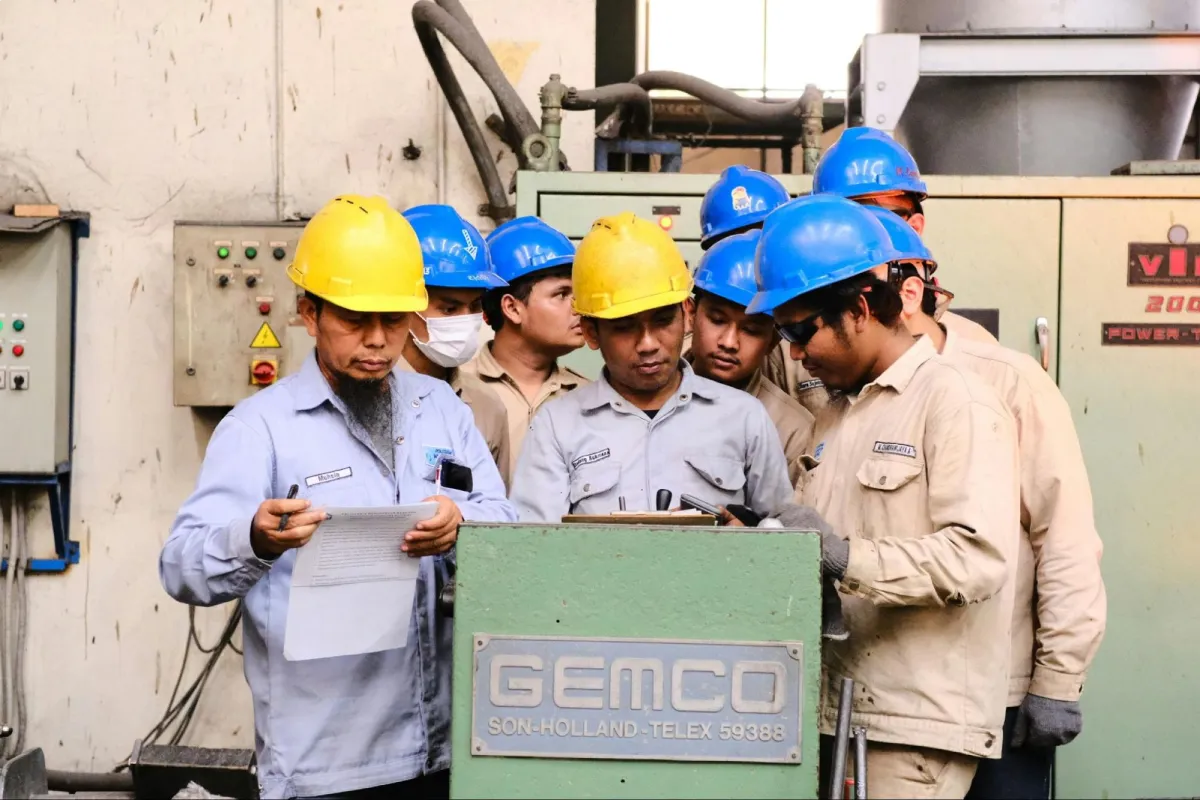
Many businesses make the mistake of coordinating multiple independent contractors for their relocation. One company handles the rigging, another manages transport, a third does the electrical work, and a fourth handles the mechanical reconnection.
This fragmented approach introduces communication gaps, scheduling conflicts, and accountability problems that almost always extend the timeline and increase costs.
When something goes wrong, each contractor points to the next, and the business owner is left managing disputes instead of focusing on getting production back online.
Working with a single team that handles the entire process in-house eliminates these problems. When the same people who planned the move also disconnect the equipment, transport it, reinstall it, and commission it, there are no handoff delays, no misunderstandings between trades, and a single point of accountability from start to finish.
Experienced machine relocation specialists operate exactly this way because they understand that seamless coordination is what separates a smooth transition from a drawn-out disruption.
Look for a provider with proven experience across diverse equipment types, from delicate precision instruments to heavy packaging lines and brewery systems, and comprehensive insurance that reflects the value of the assets in their care.
Risk Management and Safety
Industrial machine relocation involves heavy loads, high-risk rigging operations, electrical systems, and confined spaces. A complete risk assessment must be conducted before any physical work begins, identifying every hazard and defining the controls that will be in place to manage it.
All personnel involved in the move should be specifically trained in industrial machinery handling, not just general manual handling.
Professional rigging equipment must be regularly inspected, certified, and rated for the specific loads involved in your relocation.
Comprehensive insurance coverage is non-negotiable. Your machinery represents a major capital investment, and any relocation partner should carry coverage that protects the full replacement value of the equipment they are moving.
Final Thoughts
A well-executed machine relocation protects your equipment, minimizes lost production, and sets your operation up for success at the new location.
The investment in proper planning, professional expertise, and a structured process pays for itself many times over compared to the cost of damaged machinery, extended downtime, and the frustration of equipment that never quite runs right after the move.
Start the planning process early, choose a partner with genuine in-house capability, and give yourself the best possible chance of a relocation that runs on time, on budget, and without surprises.


Leave a Reply