
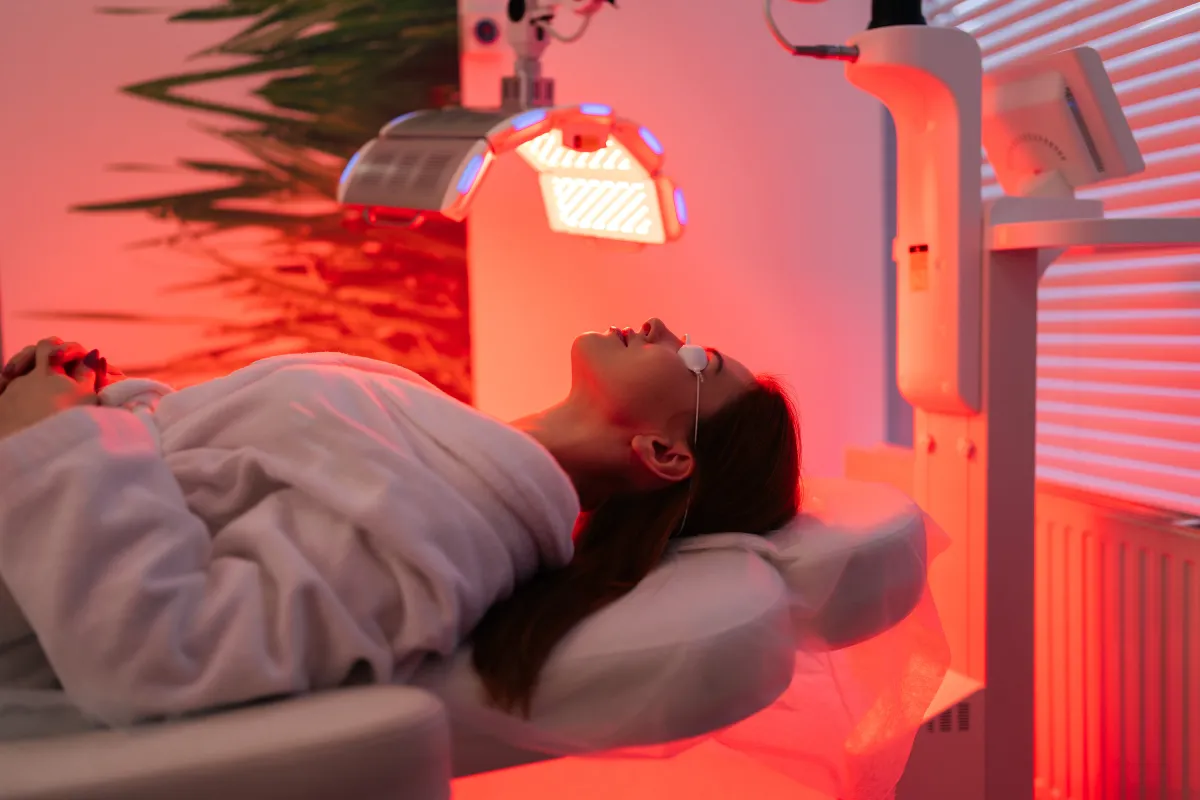
Red Light Therapy at Home: Complete Beginner’s Guide (2026)
At-home wellness technology has come a long way in the last five years, and red light therapy sits near the top of the list when it comes to devices that have made a credible transition from clinic to consumer. If you have been curious but unsure where to start, this guide covers the basics: what the therapy involves, how to use it effectively, and what you can realistically expect.
What Is Red Light Therapy?
Red light therapy uses specific wavelengths of light, primarily in the red (630 to 700 nanometers) and near-infrared (700 to 850 nanometers) range, to stimulate cellular activity beneath the skin. The process is called photobiomodulation. When skin cells absorb this light energy, mitochondria respond by producing more ATP, which is the fuel cells use to carry out repair and regeneration processes.
Unlike UV light, red and near-infrared wavelengths do not damage DNA or increase skin cancer risk. Unlike lasers, they do not ablate or heat tissue to the point of injury. The therapy is considered low-risk, which is part of why it has become viable for home use.
What It Can and Cannot Do
The strongest evidence for red light therapy at home centres on collagen production, skin texture, and inflammation reduction. Studies have consistently shown improvements in fine lines, skin tone, and firmness with regular use. There is also solid research supporting its use for wound healing, muscle recovery, and reducing joint pain.
What it will not do is deliver instant results. This is not a device you use once and assess. Clinical protocols typically run for six to twelve weeks with multiple sessions per week. Think of it less like a treatment and more like a fitness habit: the benefit is cumulative.
Choosing the Right Device
The consumer market for red light therapy devices is large and uneven in quality. The key variables to check before buying are wavelength, irradiance (power output measured in milliwatts per square centimetre), and whether the device has received FDA clearance.
Wavelength determines what the light can reach. Red wavelengths (around 630 to 660nm) work primarily on surface skin concerns like texture and tone. Near-infrared wavelengths (around 810 to 850nm) penetrate deeper and are better suited to collagen stimulation and inflammation. Devices that combine both tend to offer the broadest results.
Irradiance matters because too low a power output means the device is not delivering a therapeutic dose, regardless of what the marketing claims. A useful guide to what separates clinically effective devices from decorative ones is to look at ranges used in peer-reviewed studies, which typically report effective irradiance between 20 and 200 mW/cm2 depending on the target tissue.
FDA clearance is not a cure-all guarantee, but it does confirm the device has met a safety threshold and passed basic efficacy review. It is a meaningful filter when comparing options in the same price bracket.
How to Use It: A Basic Protocol
For most facial applications, a standard starting protocol looks like this: three to five sessions per week, ten to twenty minutes per session, at a distance of roughly five to fifteen centimetres from the skin. Consistency matters more than duration. A ten-minute session done four times a week will outperform a thirty-minute session done once.
Clean, dry skin is the best surface to treat. Skincare products, particularly those with SPF or reflective particles, can interfere with light penetration. Apply actives and moisturisers after the session rather than before.
Eye protection is recommended when treating the face, particularly near the eye area. Most reputable devices include goggles in the box. If yours did not, inexpensive blackout goggles are widely available.
What to Expect and When
Most users report initial changes in skin texture and tone within three to four weeks of consistent use. More significant improvements in fine lines and firmness typically appear between weeks six and twelve. Results are gradual rather than dramatic, which is consistent with the mechanism: you are supporting biological processes that already exist, not overriding them.
If you hit the four-week mark with no perceptible change, the most common culprits are inconsistent use, incorrect distance from the device, or a device operating below therapeutic irradiance levels.
Integrating It Into Your Routine
Red light therapy works well alongside most standard skincare ingredients. It is compatible with retinoids, peptides, vitamin C, and hyaluronic acid. The one combination worth approaching carefully is photosensitising topicals, particularly prescription-strength retinoids or certain acne medications. If you are using any of these, check with your dermatologist before adding light therapy to the same routine.
For anyone looking to explore options before committing to a device, reviewing what the current generation of red light therapy at home products offers in terms of wavelength combinations and clearance status is a solid starting point. The gap between entry-level and mid-range devices has narrowed considerably in 2026, and most of the meaningful differences now come down to form factor and coverage area rather than the underlying technology.
The Bottom Line
Red light therapy is one of the more legitimate entries in the at-home wellness device category. The science is credible, the barrier to entry is lower than it has ever been, and the risk profile is minimal when used correctly. The main requirement is consistency. A device that gets used regularly at the right settings will deliver results. One that sits on the shelf will not.
For a deeper look at the research underpinning photobiomodulation, the NIH PubMed database on red light therapy and collagen is one of the most comprehensive publicly accessible sources available.


Leave a Reply