
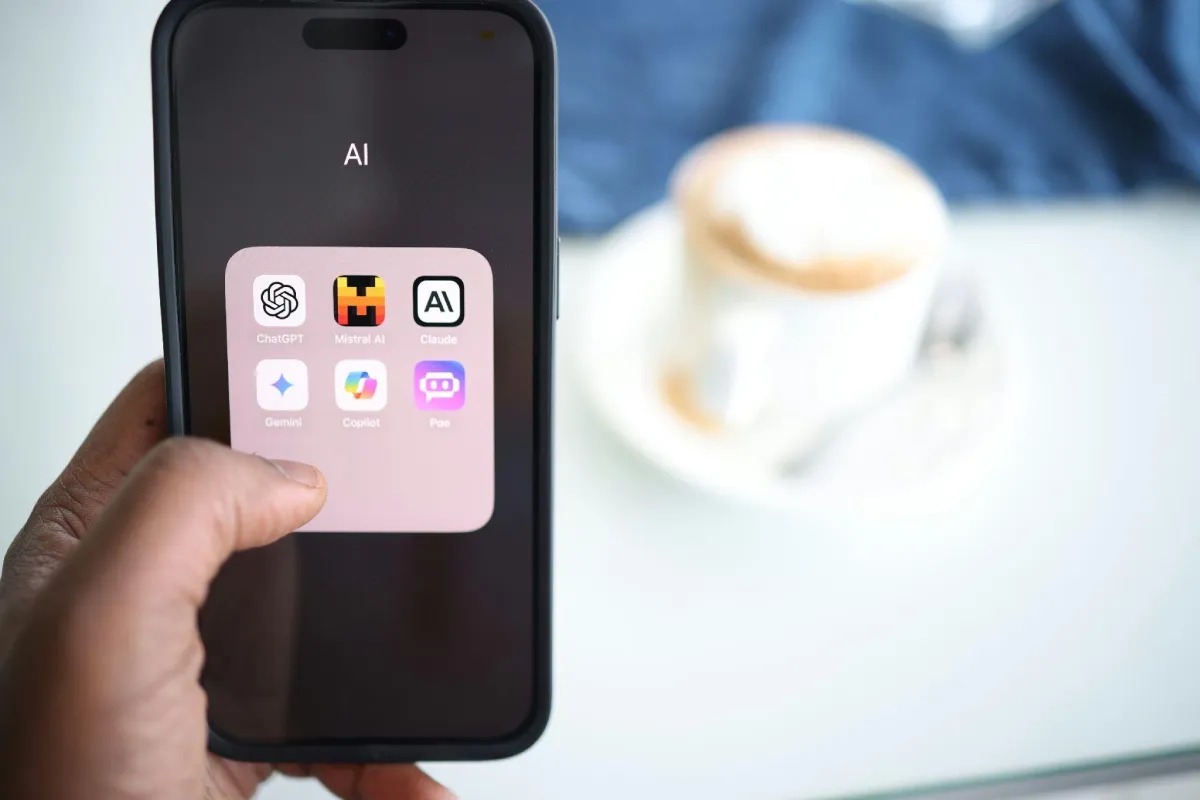
The Role of AI Assistants in Modern Website User Experience
As websites evolve from static information pages into interactive, personalised platforms, businesses are increasingly turning to AI to meet rising user expectations. Among the most impactful tools in this shift are AI assistants that can engage visitors, answer inquiries, and guide users through tasks, often before human agents are involved. A prime example of this trend is the ai receptionist, an intelligent voice and chat assistant designed to improve how users interact with digital interfaces.
AI assistants are no longer a futuristic concept; they are shaping practical, everyday user experiences across industries by providing responsive, tailored interactions that enhance satisfaction and drive results.
Why AI assistants matter for user experience
Modern website visitors expect efficiency, clarity, and personalised attention. Traditional navigation structures and static FAQs often fall short, leaving users to search through pages or abandon the site altogether.
AI assistants address these challenges by:
- Understanding natural language input
- Providing instant responses
- Guiding users toward intended actions
- Reducing friction in finding information
Whether a visitor is browsing products, searching for support, or exploring services, an AI assistant can act as the first point of engagement, creating a sense that the website “knows” what the user needs.
Meeting user expectations for immediacy
Studies consistently show that users value quick responses when interacting with digital platforms. According to research by the Nielsen Norman Group, users are far more satisfied when digital systems provide immediate, relevant feedback that matches their intent.
https://www.nngroup.com/articles/interactive-design/
AI assistants meet this expectation by providing proactive and reactive support without the delays associated with traditional support channels. This immediacy can significantly improve key metrics such as bounce rate, session duration, and conversion likelihood.
Natural interaction through human-like communication
Early web interfaces required precise clicks or menu navigation, but human communication is far more fluid. Modern AI assistants use natural language processing (NLP) to interpret user input, including questions phrased in everyday speech. This ability to “understand” visitors makes interactions feel more intuitive and less transactional.
For example, a user might type or speak a query like “How do I reset my password?” rather than scanning a help page. The AI receptionist recognises the intent and delivers a contextual response, reducing cognitive load and frustration.
Personalisation and adaptive support
AI assistants are capable of personalising responses based on user behaviour, history, and context. For returning visitors or logged-in users, AI can surface tailored support that reflects their past interactions, purchases, or preferences.
This kind of adaptivity makes digital experiences feel more helpful and less generic. Instead of offering one-size-fits-all responses, AI assistants can suggest relevant products, guide users through onboarding flows, or explain policy details in a way that aligns with the user’s specific situation.
Reducing cognitive friction

Cognitive friction, the mental effort required to figure out how to use a website, is a major barrier to engagement. When users struggle to find what they need, they are more likely to leave.
AI assistants minimise cognitive friction by serving as an on-demand guide. Instead of navigating menus or guessing terminology, visitors can ask questions or express needs in their own words. This lowers barriers and makes even complex websites feel more approachable.
Supporting multiple touchpoints
AI assistants are not limited to text. Modern implementations often support voice interactions, enabling users to speak questions or commands instead of typing. This expands accessibility and usability across different environments, for example, people browsing on mobile devices while multitasking.
AI receptionists bridge the gap between traditional chat support and more immersive, interactive experiences by offering both modalities within a single interface.
Helping businesses scale support
From an organisational perspective, AI assistants help businesses handle high volumes of inquiries without equivalent increases in staffing. Routine questions about hours, pricing, policies, or product details can be resolved autonomously, freeing human agents to focus on complex or nuanced cases that require empathy, creativity, or judgement.
This scalable support model improves internal efficiency while maintaining, and often enhancing, user experience.
Consistency and accuracy in communication
Human support teams naturally show variation in style, tone, and thoroughness. In contrast, AI assistants deliver consistent responses that align with brand guidelines and factual information, reducing the risk of conflicting answers or miscommunication.
Consistency is especially valuable for websites with large visitor bases, diverse product catalogs, or compliance requirements, where accuracy and uniformity are essential.
Privacy and transparency considerations
While AI assistants offer many benefits, they must be implemented with attention to user privacy and transparency. Users should know when they are interacting with an AI, how their data is used, and how their queries are processed.
Clear disclosures and robust data handling practices contribute to trust, a foundational element of positive user experience.
The evolving role of AI in UX
AI assistants are part of a broader shift toward adaptive, intelligent digital interfaces. As machine learning models improve, these systems are becoming more conversational, context-aware, and capable of handling multi-step interactions, such as account changes, scheduling requests, or personalised recommendations.
The future of UX involves not just presenting information, but anticipating needs and responding in real time, a capability that AI assistants are uniquely positioned to deliver.


Leave a Reply