
The Role of Emotional Intelligence in Business Leadership
Introduction: The Changing Face of Leadership
Think about the best leader you’ve ever worked with. Chances are, they weren’t just intelligent or experienced, they also knew how to connect with people, handle pressure, and make tough decisions without losing their cool. That’s emotional intelligence (EI) in action.
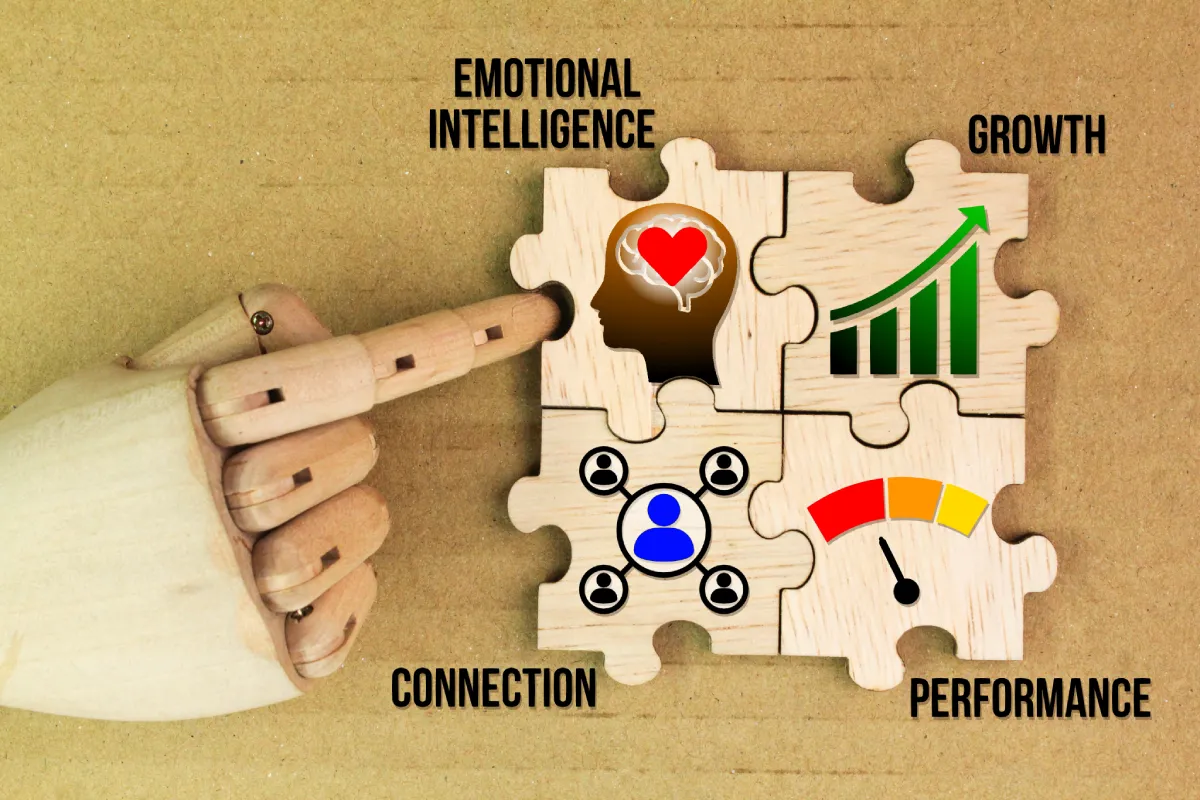
For a long time, leadership was all about strategy, numbers, and authority. But in today’s workplace, where collaboration, adaptability, and employee well-being are at the forefront, emotional intelligence is no longer just a “nice-to-have”, it’s essential. Leaders who understand and manage their own emotions, while also recognizing and responding to the emotions of others, build stronger teams, make better decisions, and create a work culture that people actually want to be a part of.
Think about it: No one wants to follow a leader who lashes out under stress, ignores feedback, or lacks empathy. In contrast, a leader who listens, understands different perspectives, and stays composed in high-pressure situations fosters trust and motivation. That’s why companies today aren’t just looking for leaders with impressive resumes; they’re looking for those who can navigate human dynamics as skillfully as they navigate business strategies.
So, what exactly makes an emotionally intelligent leader? And how does emotional intelligence impact everything from decision-making to team performance? Let’s break it down.
Understanding Emotional Intelligence and Its Core Components
Emotional intelligence, a concept popularized by psychologist Daniel Goleman, comprises five key components that influence leadership effectiveness: self-awareness, self-regulation, motivation, empathy, and social skills. Each of these elements contributes to a leader’s ability to make informed decisions, manage teams effectively, and create an inspiring work culture. Without emotional intelligence, even the most technically skilled leaders may struggle to inspire trust, resolve conflicts, or maintain a productive work environment.
- Quote by Elvin Moore, Marketing Director at Heartwood Recovery
Self-Awareness: The Foundation of Emotional Intelligence
Self-awareness is the foundation of emotional intelligence. Leaders who possess a high degree of self-awareness understand their strengths, weaknesses, emotions, and how these factors impact their behavior and decision-making. This heightened self-perception allows them to remain grounded, open to feedback, and less reactive in stressful situations. For instance, a leader who recognizes that they tend to become impatient under pressure can take proactive steps to manage their reactions, ensuring that their frustration does not negatively impact their team.
Developing self-awareness requires continuous reflection and a willingness to accept constructive criticism. Leaders who actively seek feedback from peers, mentors, and employees gain a deeper understanding of how their emotions and actions influence those around them. Journaling, mindfulness practices, and self-assessments are also effective ways to cultivate self-awareness. By consistently evaluating their socioemotional triggers and patterns, leaders can refine their approach and create a more balanced and thoughtful leadership style.
- Quote by Promise Okeke, CEO of NovoPath
Self-Regulation: Maintaining Composure and Integrity
Self-regulation builds upon self-awareness, allowing leaders to control their impulses, manage stress, and respond to situations with composure and thoughtfulness. A leader who masters self-regulation does not allow anger or disappointment to cloud their judgment, instead opting for constructive problem-solving approaches. This ability fosters a workplace culture where employees feel secure, respected, and valued, ultimately enhancing overall team performance.
Leaders who exhibit strong self-regulation are perceived as trustworthy and dependable. They do not engage in reactive decision-making or emotional outbursts but instead approach challenges with a level-headed mindset. In times of crisis, their ability to remain calm and composed reassures employees and helps maintain organizational stability. Furthermore, self-regulation plays a critical role in ethical leadership, as leaders who can control their impulses are less likely to engage in unethical behavior or make rash decisions that compromise the integrity of the business.
- Quote by Alex L., Founder of StudyX
Motivation: The Driving Force Behind Success
Motivation, within the framework of emotional intelligence, refers to a leader’s intrinsic drive to achieve goals beyond financial rewards or status. Emotionally intelligent leaders are highly motivated by passion, a sense of purpose, and a commitment to excellence. Their enthusiasm is contagious, inspiring their teams to pursue ambitious goals with dedication and perseverance. When leaders demonstrate resilience in the face of setbacks, they instill confidence in their teams and reinforce a culture of continuous improvement.
- Quote by Ben Goldberg, CEO of Food Truck Promotions
Highly motivated leaders are often visionaries who set long-term goals and inspire their teams to work toward them. They do not allow setbacks to deter them but instead use challenges as opportunities for growth and learning. This type of motivation is crucial for innovation-driven industries, where persistence and adaptability are key. When employees see their leader demonstrating unwavering commitment to a shared vision, they are more likely to feel engaged and aligned with the organization’s goals.
- Quote by Robert Liu, CTO of African Net Sponge
Empathy: The Key to Meaningful Leadership
Empathy is one of the most critical aspects of emotional intelligence in business leadership. It enables leaders to understand the perspectives, emotions, and concerns of their employees, customers, and stakeholders. An empathetic leader actively listens, acknowledges different viewpoints, and demonstrates genuine concern for others’ well-being. This ability is particularly important in diverse workplaces, where understanding and valuing different backgrounds and experiences contribute to a more inclusive and collaborative work environment.
- Quote by Matt Bick, Director at Alan Bick
Empathy in leadership is not just about being kind, it is about making informed decisions that consider the human element of business. Leaders who practice empathy are better at resolving conflicts, addressing employee concerns, and fostering a culture of psychological safety. Studies have shown that organizations with empathetic leaders tend to have higher employee satisfaction and lower turnover rates. Furthermore, empathy extends beyond internal teams; it also influences how businesses interact with clients and customers. A company led by an empathetic leader is more likely to build strong, lasting relationships with stakeholders.
- Quote by Stephen Twomey, Founder of MasterMindSEO
Social Skills: The Art of Relationship Building
Social skills, the final component of emotional intelligence, encompass a leader’s ability to communicate effectively, resolve conflicts, build strong relationships, and foster teamwork. Leaders with exceptional social skills navigate workplace dynamics with ease, leveraging their influence to inspire, persuade, and unite people toward a common goal. They are skilled at managing both upward and downward relationships, ensuring seamless collaboration across all levels of an organization.
- Quote by Vladimira Ivanova, Psychologist at The Diamond Rehab Thailand
Effective social skills enable leaders to foster a culture of open communication, where employees feel comfortable sharing their ideas and concerns. Leaders with strong interpersonal skills can mediate disputes, inspire collaboration, and encourage teamwork, all of which are essential for a thriving workplace. Additionally, leaders who excel in social intelligence can anticipate and address the emotional needs of their teams, ensuring that employees remain motivated and engaged.
- Quote by Tiffany Payne, Head of Content at PharmacyOnline.co.uk
The Link Between Emotional Intelligence and Decision-Making
Great leadership isn’t just about making decisions, it’s about making the right decisions. Emotional intelligence plays a crucial role in how leaders process information, weigh risks, and choose a course of action. A leader who lacks self-awareness or struggles with impulse control might make rash decisions based on frustration or pressure. In contrast, an emotionally intelligent leader takes a step back, evaluates options carefully, and considers both data and human factors.
- Quote by Timothy Allen, Director at Oberheiden P.C
Emotionally intelligent decision-making is particularly important in high-stress situations. When tensions run high, emotions can cloud judgment, leading to choices that are reactive rather than strategic. Leaders with strong EI recognize when emotions are influencing their thought process and take steps to ensure they’re making rational, well-balanced decisions.
Emotional Intelligence in Conflict Resolution
Conflict is inevitable in any workplace. The difference between a dysfunctional team and a thriving one often comes down to how conflicts are handled. Leaders with emotional intelligence don’t avoid conflict, but they also don’t escalate it unnecessarily. Instead, they approach disagreements with a mindset of resolution rather than confrontation.
When a leader lacks empathy or self-regulation, conflicts can quickly spiral into resentment and division. However, when a leader actively listens, acknowledges different perspectives, and fosters open communication, conflicts become opportunities for growth rather than roadblocks.
- Quote by Dan Close, CEO of BuyingHomes.com
A great way for leaders to improve conflict resolution is by practicing active listening and emotional validation. Employees don’t just want solutions; they want to feel heard. Simply acknowledging a team member’s frustration or concern can go a long way in diffusing tension and finding a way forward.
How Emotional Intelligence Shapes Workplace Culture
Leaders set the tone for company culture, whether they realize it or not. A leader who lacks emotional intelligence can create a work environment filled with fear, stress, and disengagement. But when a leader leads with empathy, emotional awareness, and effective communication, the workplace becomes one where employees feel valued, supported, and motivated.
Companies that prioritize emotional intelligence in leadership tend to have lower turnover rates, higher employee satisfaction, and stronger collaboration. When leaders model emotional intelligence, it trickles down through the organization, shaping everything from team dynamics to customer interactions.
- Quote by Julian Lloyd Jones from Casual Outfitters
Can Emotional Intelligence Be Learned?
One of the biggest misconceptions about emotional intelligence is that it’s an inborn trait, you either have it or you don’t. In reality, emotional intelligence is a skill that can be developed and refined over time.
Leaders can actively work on their emotional intelligence by:
- Practicing self-awareness through reflection and feedback
- Learning techniques for stress management and emotional control
- Engaging in active listening and open communication
- Developing greater empathy through perspective-taking exercises
- Seeking mentorship or coaching to improve interpersonal skills
The Impact of Emotional Intelligence on Business Outcomes
The influence of emotional intelligence on business leadership extends beyond interpersonal relationships, it directly affects key business outcomes such as productivity, innovation, and financial performance. Research has consistently shown that companies with emotionally intelligent leaders experience higher employee engagement, stronger customer relationships, and increased profitability.
Emotionally intelligent leaders create a culture of psychological safety, where employees feel comfortable taking risks and sharing innovative ideas. This environment fosters creativity and problem-solving, leading to business growth and competitive advantage. Moreover, organizations led by emotionally intelligent leaders are better equipped to adapt to change, as these leaders can navigate uncertainty with confidence and resilience.
- Quote by Sumeer Kaur, Founder of Anarkali
Additionally, emotional intelligence plays a vital role in customer relations. Businesses that prioritize emotionally intelligent leadership are more likely to develop strong customer loyalty and brand reputation. Leaders who can connect with customers on an emotional level, understand their needs, and respond empathetically create a lasting positive impression, resulting in higher customer retention and satisfaction rates.
Wrap-Up: The Lasting Impact of Emotionally Intelligent Leadership
In a rapidly evolving business landscape, emotional intelligence is no longer a “soft skill” but a fundamental attribute of effective leadership. Leaders who cultivate emotional intelligence gain a distinct advantage, enabling them to navigate complex challenges, build high-performing teams, and foster a culture of trust and collaboration. By prioritizing self-awareness, empathy, and effective communication, emotionally intelligent leaders not only drive business success but also create workplaces where employees feel inspired, valued, and empowered.
As organizations increasingly recognize the value of emotional intelligence, it is becoming clear that the most successful leaders are not just those with sharp business acumen but those who lead with heart, integrity, and emotional awareness. The future of leadership lies in the ability to connect, understand, and inspire, and those who master emotional intelligence will shape the businesses of tomorrow.


Leave a Reply