
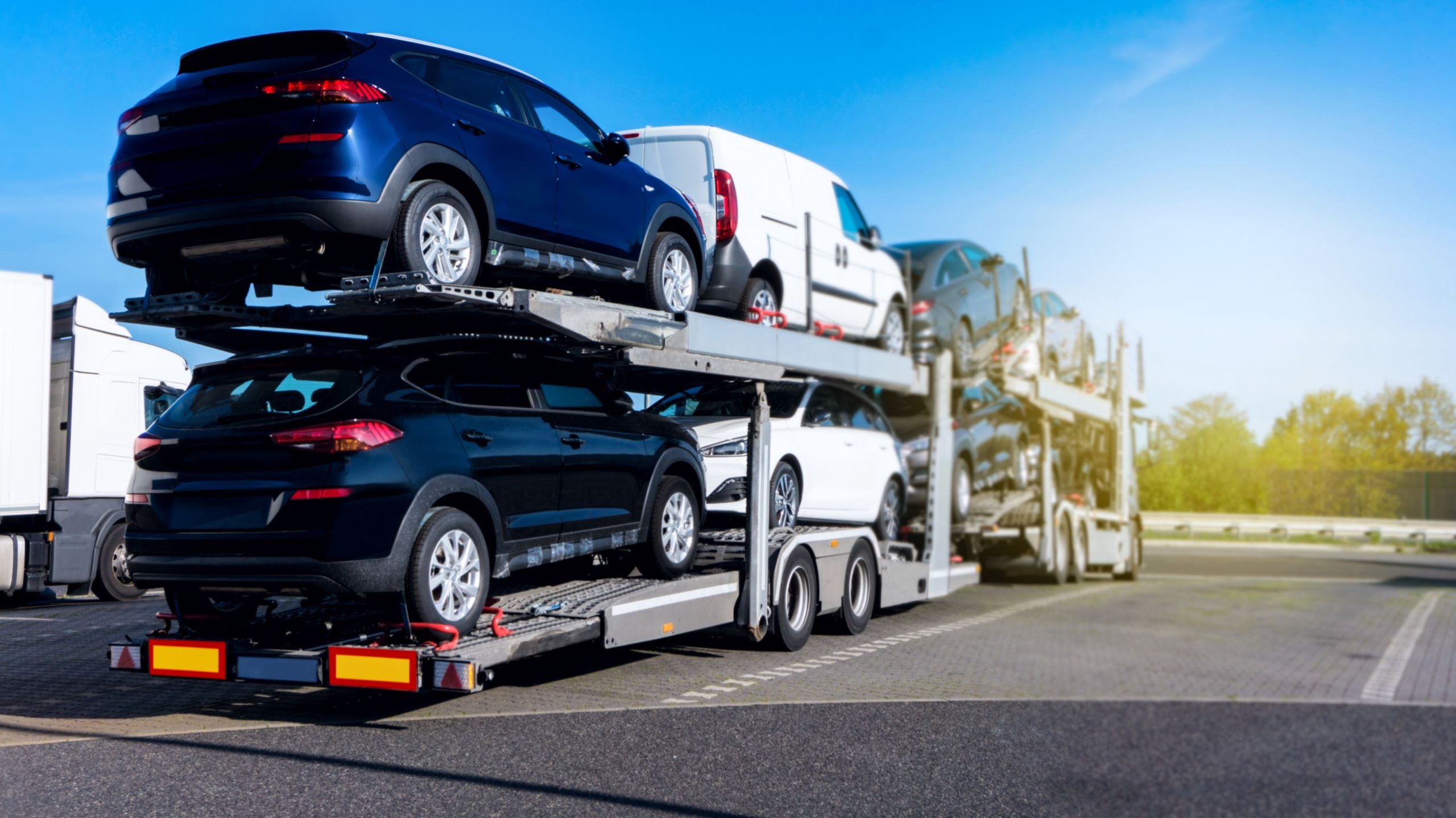
What Influences Vehicle Transport Pricing and How to Plan for It
Estimating the cost to ship a car can often feel like aiming at a moving target. If you’ve started gathering quotes, you’ve likely noticed that prices fluctuate significantly between providers and even from one week to the next. This isn’t because of arbitrary markups; rather, it’s a reflection of a highly dynamic market.
Understanding the mechanics of car shipping services pricing is the first step toward securing a fair deal. By identifying the variables you can control—and those you can’t—you can plan a budget that balances safety, speed, and affordability.
How Auto Transport Pricing Works
There is no “fixed” price list in the world of auto transport. Instead, pricing is driven by supply and demand. Carriers have a limited number of slots on their trailers, and they prioritize routes that are profitable and efficient.
Brokers act as the bridge between customers and carriers, using real-time market data to estimate what a carrier will accept to move a specific vehicle on a specific date. Because fuel costs, traffic patterns, and seasonal demand change daily, quotes are typically only valid for a short window of time.
Key Factors That Influence Your Quote
Distance and Route Popularity
It’s a simple rule: the further the distance, the higher the total price. However, the cost per mile actually decreases on longer trips. Furthermore, shipping between major hubs (like Los Angeles to Dallas) is often cheaper than shipping to a remote rural town, as carriers don’t have to go out of their way to find their next load.
Type of Transport: Open vs. Enclosed
The equipment used plays a major role in your final bill:
- Open carriers: These are the standard trailers you see on the highway. They are the most affordable and widely available option for standard vehicles.
- Enclosed carriers: Because these trailers carry fewer cars and provide total protection from the elements, they generally cost 30% to 50% more than open car transport.
Vehicle Size, Weight, and Condition
A heavy SUV occupies more space and consumes more fuel than a compact sedan. Similarly, if a vehicle is inoperable (cannot be driven onto the trailer), the carrier must use specialized winches or forklifts, which adds an “inop” fee to your car transport total.
Seasonal Demand
The industry experiences “peak seasons.” For example, during the “Snowbird” migration in the winter, routes from the Northeast to Florida see a massive spike in demand, driving prices up. Conversely, shipping in the opposite direction during that time might yield a significant discount.
Delivery Speed and Flexibility
If you need your car delivered by a specific date, you will likely pay a premium for expedited shipping. If you can provide a flexible 5-to-7-day window for pickup, you allow the broker to find a carrier who is already passing through your area, which often results in a lower rate.
Step-by-Step Checklist to Plan Your Budget
- Define Your Minimum Requirements: Decide if you need the protection of an enclosed trailer or if an open trailer suffices.
- Research the Market: Gather at least three quotes to establish a baseline for your specific route.
- Book Early: Aim to book at least two weeks in advance. Last-minute bookings often force you into higher “rush” rates.
- Consider Location: If you live in a hard-to-reach area, consider meeting the driver at a nearby shopping center or parking lot. This can sometimes lower the cost of door to door services.
- Review the Fine Print: Ensure the quote includes insurance and that there are no hidden fuel surcharges or booking fees.
Common Mistakes That Increase Costs
The most common mistake is choosing a company based solely on the lowest price. Often, a “low-ball” quote is just a tactic to get you to sign a contract; the company may then fail to find a carrier willing to move the car for that price, leading to delays or “re-negotiated” fees. Additionally, forgetting to disclose modifications (like a lift kit or roof rack) can lead to extra charges at the time of pickup.
What to Expect During Pickup and Delivery
Once you’ve booked, you’ll be given a pickup window. The driver will perform a detailed inspection of the vehicle and document any existing wear on the Bill of Lading. This document is your protection. During transit, the car moves along an optimized route. Upon arrival, you’ll perform a final inspection. If the car arrived exactly as it left, you sign off and the process is complete.
Tips to Save Money
- Opt for Open Transport: Unless the car is a high-value classic or luxury model, open trailers are perfectly safe and much cheaper.
- Be Flexible: Flexibility is the best currency in shipping. The more time you give a carrier to fit you into their schedule, the less you will pay.
- Check for Discounts: Many providers offer discounts for military members, students, or multi-car shipments.
Frequently Asked Questions
Why do quotes vary so much between companies? Some companies prioritize low prices to get leads, while others quote a realistic “market” price that ensures a carrier will actually pick up the car on time.
Do fuel prices affect my rate? Absolutely. As diesel prices rise, carriers must increase their rates to maintain their margins.
Can I negotiate my price? In some cases, yes. If you are flexible with your dates or shipping a common route, there may be some room for adjustment.
Final Thoughts
Controlling your shipping costs comes down to two things: timing and research. By understanding that auto transport is a service-based market influenced by real-world logistics, you can avoid common pitfalls and secure a rate that is both fair and reliable. Planning ahead ensures that you aren’t forced into expensive, last-minute decisions, giving you the peace of mind that your vehicle is in good hands.


Leave a Reply