
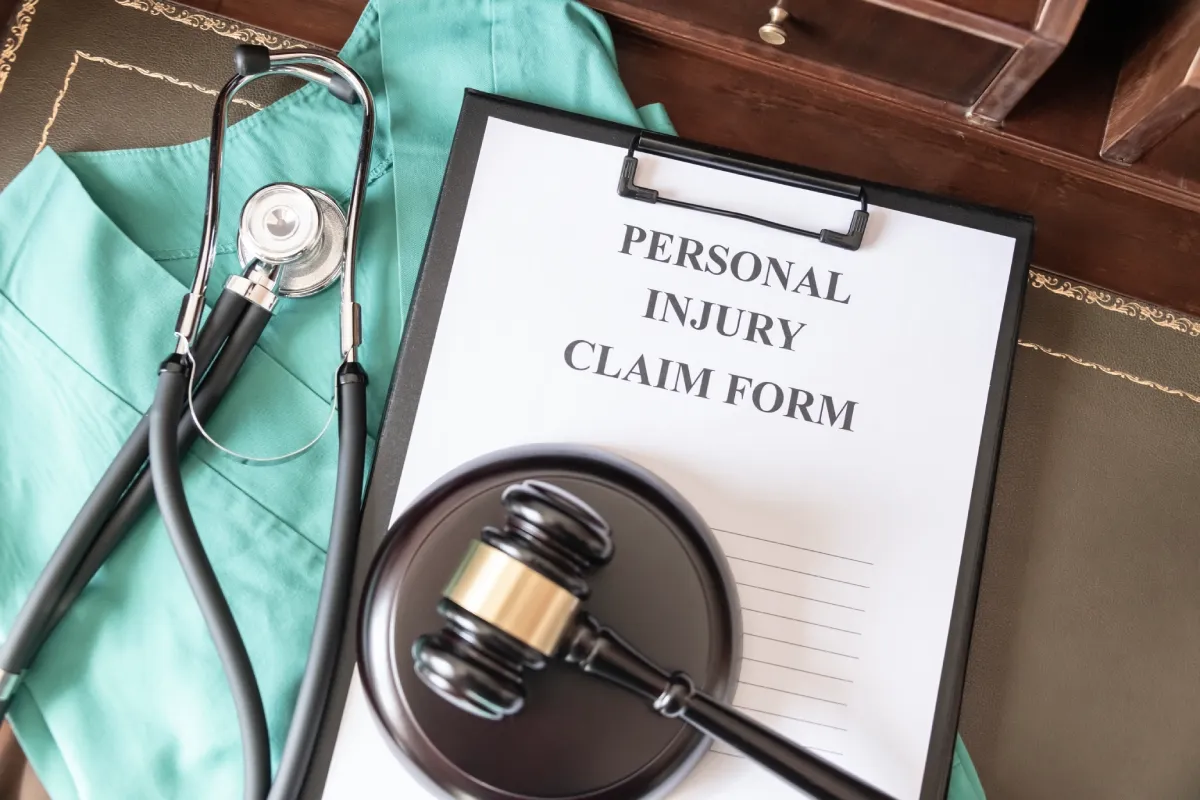
Will Your Indiana Personal Injury Case Settle or Go to Trial? What to Expect
After suffering an injury caused by someone else’s negligence, one of the most pressing questions that runs through people’s minds is whether their case will end with a settlement or head all the way to trial. In Indiana, this uncertainty can feel particularly stressful for injured individuals who are already trying to balance medical recovery, financial strain, and unfamiliar legal procedures all at once.
“Understanding how personal injury cases typically move forward can help ease some of that anxiety and set realistic expectations for the road ahead,” says Attorney Steve Fleschner of Fleschner, Stark, Tanoos & Newlin. This article explains how Indiana personal injury cases are resolved, what factors drive a case toward settlement or trial, and what injured individuals should expect at each stage of the process.
How a Personal Injury Case Begins in Indiana
An Indiana personal injury case typically begins when an injured person seeks legal advice after an accident. This might involve a car collision, a slip and fall on someone else’s property, a workplace injury, or another incident caused by careless or reckless behavior. The attorney examines the facts, reviews the available evidence, and determines whether the claim meets Indiana’s legal requirements to move forward. If the case appears viable, the attorney begins gathering medical records, accident reports, witness statements, and other documentation needed to support the claim.
During this early stage, the primary focus is on understanding two key elements: liability and damages. Liability refers to who bears responsibility for causing the injury. Damages refer to the losses the injured person has suffered, including medical expenses, lost income, and physical or emotional pain. Building a clear picture of liability and damages is essential because they strongly influence whether a case is likely to settle through negotiation or proceed to trial.
Why Most Indiana Personal Injury Cases Settle
The vast majority of personal injury cases in Indiana get resolved through settlement rather than going before a judge or jury. Settlement happens when the injured person and the party responsible for causing the harm, usually represented by an insurance company, reach an agreement on compensation without any courtroom involvement. Settlements are common because they offer predictability and efficiency for everyone involved.
For injured individuals, a settlement often means receiving compensation more quickly and avoiding the emotional toll of courtroom proceedings. For insurance companies, settlement reduces legal costs and eliminates the uncertainty that comes with leaving a decision to a jury. Attorneys typically pursue settlement negotiations once the injured person reaches medical stability, which allows damages to be calculated with greater accuracy.
When a Case May Be More Likely to Go to Trial
Although settlement is the most common outcome, some Indiana personal injury cases do proceed to trial. This typically happens when the parties involved simply cannot reach an agreement on who was at fault or how much the damages are worth. If the insurance company disputes responsibility for the accident or argues that the injuries are less serious than claimed, negotiations can stall.
Cases that involve serious or permanent injuries also tend to be more likely to go to trial. When the potential compensation amounts are substantial, insurance companies may be unwilling to offer what the injured person and their attorney believe is fair. In these situations, trial becomes the path forward for seeking a binding decision from a judge or jury.
Conclusion
Whether an Indiana personal injury case settles or goes to trial depends on a range of factors, including questions of liability, the extent of damages, and how willing both parties are to come to the table and negotiate in good faith. Anyone who has been injured in Indiana due to another party’s negligence should consider seeking knowledgeable legal guidance as an important first step. A qualified personal injury attorney can evaluate the details of the case, explain the available options, and advocate for the outcome that protects the injured person’s rights and future stability.


Leave a Reply