
Your Seasonal Care Calendar for Native Shade Plants in Humid Climates
Highlights:
- Native plants are proven to be four times more attractive to pollinators than non-native species, making even small swaps a big win for your yard’s ecosystem.
- Aiming for at least 80% native plant coverage — not just a few token natives — is what research says actually moves the needle on local biodiversity.
- Timing matters most in spring and fall: wait to cut back dead growth in spring (it shelters overwintering insects), and resist the clean-up urge in fall for the same reason.
- Summer care for established native shade plants in humid climates is mostly hands-off — no fertilizing, deep watering only during dry spells, and mostly observation.
- Winter is for planning: assess your layering, order from native nurseries early (demand is high), and think about adding canopy, understory, shrub, and herbaceous layers to maximize habitat value.
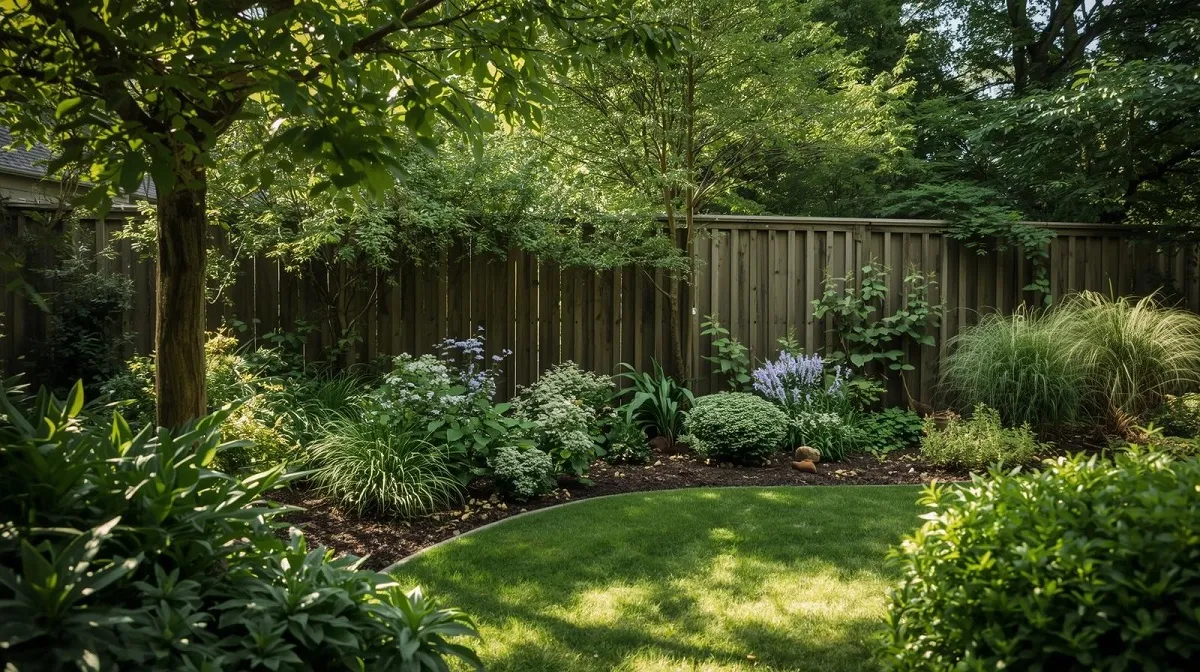
Got a yard that’s heavy on tree cover and sticky summers? You must already know that not just any plant is going to survive back there. But here’s the good news: native shade plants thrive in exactly those conditions — and when you time your care right, they practically take care of themselves.
This guide breaks down what to do and when to do it, season by season, so your shady, humid garden looks its best all year long.
Why Native Shade Plants Are Worth the Switch
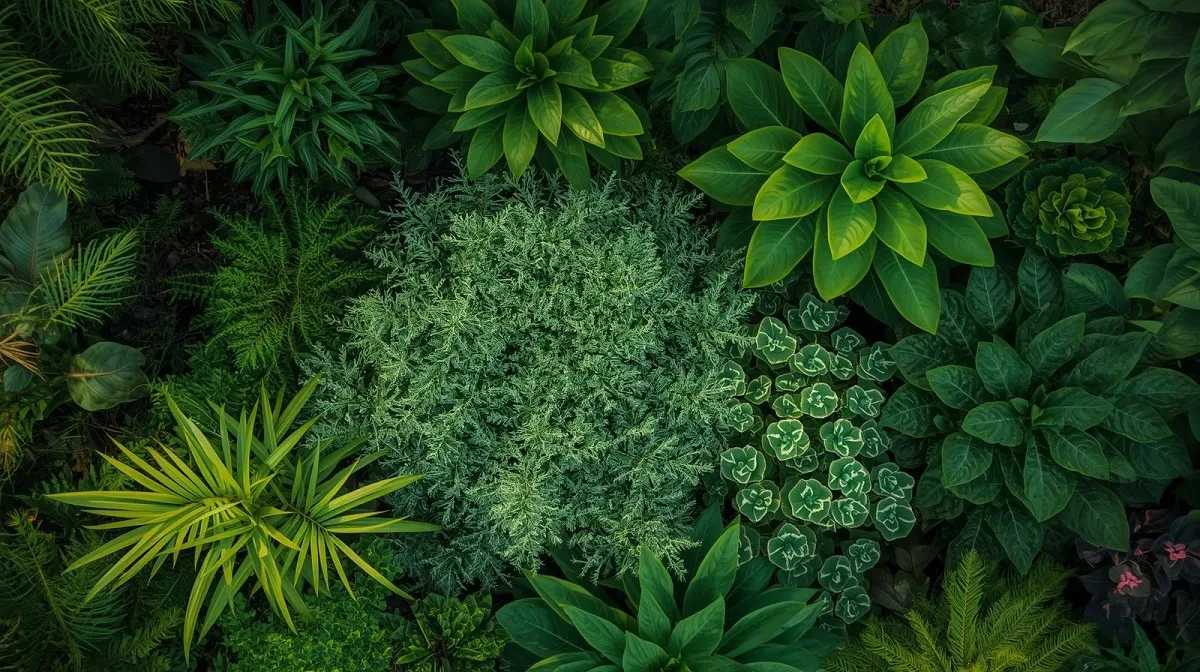
Before we get into the calendar, let’s talk about why native plants deserve a spot in your humid shade garden in the first place — because the data makes a pretty compelling case.
According to a resource updated by Penn State Extension in February 2026, native plants have been shown to be four times more attractive to pollinators than their non-native counterparts. That’s not a small difference. It means that swapping out even a few non-native species for regional natives can dramatically boost the butterfly, bee, and hummingbird activity in your yard — even in the shadiest corners.
And from an ecological standpoint, the University of Maryland Extension points out that recent research recommends aiming for at least 80% native plant coverage if your goal is to meaningfully support local biodiversity. A token native here and there is a start, but a predominantly native planting is where the real ecosystem magic happens.
These aren’t just nice-to-know figures. They’re the reason why building a care routine around native shade plants is one of the most impactful things you can do for your local environment — all from your own backyard.
Spring: Wake Things Up the Right Way
Spring is exciting, but resist the urge to rush in with the pruners right away. In humid climates, the ground stays wet longer into the season, and native shade plants often emerge later than you’d expect. Patience pays off here.
Early Spring (March–April):
- Wait until nighttime temps are consistently above 50°F before cutting back last year’s dead growth. Those hollow stems and seed heads have been sheltering overwintering insects all winter long.
- Once you do cut back, leave the debris in a pile nearby rather than hauling it to the curb. It gives emerging ground beetles and native bees a little extra time to complete their life cycles.
- This is also the best time to divide overcrowded clumps of shade perennials like wild ginger (Asarum canadense) or foamflower (Tiarella cordifolia). The cool, moist soil makes transplanting much less stressful for the roots.
Late Spring (May):
- Top-dress beds with a thin layer of leaf mulch or shredded wood chips to help hold moisture as temperatures climb. Two to three inches is plenty — keep it away from plant crowns to prevent rot in high-humidity conditions.
- Scout for powdery mildew early. In dense shade with poor air circulation, it’s one of the few issues that can show up even on native plants. Thinning crowded clumps now helps prevent problems later in summer.
- Start planting any new native shade plants you’ve been wanting to add. Spring establishment gives roots time to anchor before the heat and humidity of summer arrive.
Summer: Minimal Intervention, Maximum Observation
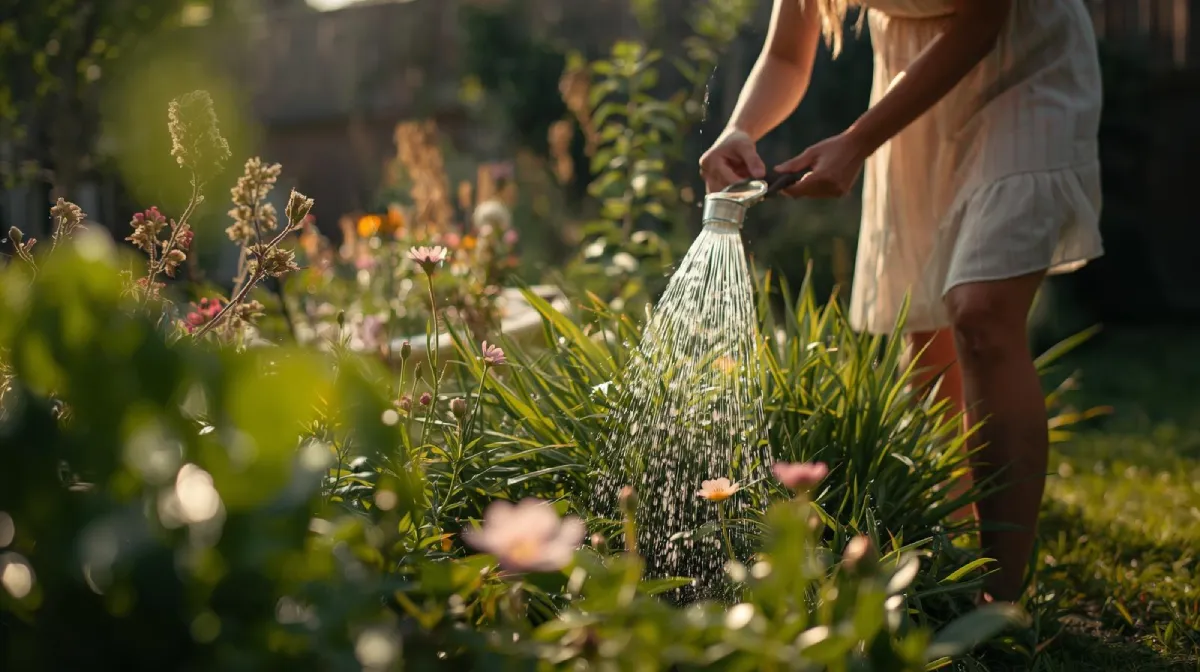
Here’s one of the biggest perks of native shade plants: once they’re established, summer care is mostly about watching rather than working.
June–August:
- Water newly planted natives during dry spells — a deep soak once a week is better than frequent shallow watering. Established plants should be fine on their own in a humid climate, but keep an eye on anything planted in its first season.
- Deadhead spent blooms on plants like native columbine (Aquilegia canadensis) and wild blue phlox (Phlox divaricata) if you want to encourage a second flush of flowers, but leave some seed heads on plants like black cohosh (Actaea racemosa) for the birds.
- Avoid fertilizing. Native shade plants in humid climates rarely need supplemental nutrients, and excess nitrogen encourages leafy, floppy growth that’s more susceptible to fungal disease.
- This is a great time to observe what’s working. Notice which plants the pollinators are visiting most. Take photos. That information will help you plan any additions or changes for next year.
If you’re still figuring out which native species work best for your specific conditions, it’s worth checking out this deep-dive on shade-adapted native plants suited for compact humid yards — it covers a lot of the decision-making that goes into choosing the right species before you invest in new plants.
Fall: The Most Underrated Season in the Shade Garden
Most gardeners put their tools away in October and call it done. Native plant enthusiasts know fall is actually one of the most important seasons for setting up next year’s success.
September–October:
- Let your native shade plants go to seed. Many species — including wild columbine, Jack-in-the-pulpit (Arisaema triphyllum), and native ferns — self-sow readily when given the chance. This is free propagation, and it fills in gaps beautifully over time.
- Add a layer of fallen leaves directly to your shade beds rather than raking them away. In a humid climate, leaf litter breaks down quickly and feeds the soil food web. It also mimics the natural forest floor conditions that native woodland plants evolved in.
- Plant spring-blooming natives like trout lily (Erythronium americanum) and bloodroot (Sanguinaria canadensis) bulbs or corms now. They need a cold, moist period to bloom well in spring.
November:
- Resist the “clean garden” impulse. Leave standing stalks, seed heads, and leaf litter in place. This is where beneficial insects overwinter, and disturbing it too early in fall (or too late in spring) disrupts their life cycles.
- Do a final check for any invasive plants that may have crept in during the growing season — bittersweet, garlic mustard, and Japanese stiltgrass are common culprits in humid shaded areas. Pull them now before their seeds have a chance to set.
Winter: Planning Season
Winter might look quiet in the shade garden, but it’s the perfect time to evaluate, plan, and prepare for the year ahead.
December–February:
- Review photos from the growing season. Where are the gaps? What plants outperformed expectations? What struggled and might need to be moved or replaced?
- Research native species you haven’t tried yet. Some of the most rewarding shade plants for humid climates — like native trilliums, mayapple (Podophyllum peltatum), and Solomon’s seal (Polygonatum biflorum) — are slow to establish but absolutely stunning once they settle in.
- Order from native plant nurseries early. Demand for locally sourced native plants has grown significantly, and popular species often sell out well before spring planting season. Getting on mailing lists or placing pre-orders in January or February helps you secure what you want.
- Look at your layering. The University of Maryland Extension notes thatmimicking a forest’s natural structure — with canopy, understory, shrubs, and herbaceous layers — is one of the most effective ways to support insect and bird biodiversity. Winter is a good time to assess those layers with the leaves off and plan where to add shrubs or understory trees.
A Few Humidity-Specific Tips to Keep in Mind Year-Round
Growing native plants in a humid climate comes with its own rhythms and quirks. Here are a few things that apply no matter what time of year it is:
Air Circulation Matters More Than You Think
In high-humidity environments, even native plants can develop fungal issues in areas where air doesn’t move well. When planting, space things generously and avoid cramming plants up against walls or fences where air stagnates.
Soil Drainage Is Your Best Friend
Native woodland shade plants want moisture-retentive soil, but not waterlogged soil. If you have areas where water pools after rain, amend with compost before planting or choose species that are genuinely adapted to wet conditions, like swamp rose (Rosa palustris) or cardinal flower (Lobelia cardinalis).
Go Slow With New Additions
One of the easiest mistakes is planting too many new species at once. Introduce two or three new natives per season so you can observe how each performs in your specific microclimate before committing to more.
Final Thoughts
A seasonal care calendar for native shade plants in a humid climate isn’t about doing more — it’s about doing the right things at the right times. When you work with the natural rhythms of locally adapted plants, you spend less time fighting your garden and more time enjoying it.
And with research confirming that native plants are dramatically more effective for pollinators than their non-native alternatives, and that a predominantly native planting makes a measurable difference for biodiversity, there’s never been a better reason to lean into a fully native approach in your shaded garden spaces.
Start with one season. See what changes. Your local ecosystem will notice.


Leave a Reply